The Curve-winged Sabrewing: A Jewel of the Neotropical Skies
The Curve-winged Sabrewing, scientifically known as Pampa curvipennis, is a remarkable hummingbird species that enchants ornithologists and bird enthusiasts alike. Native to the lush landscapes of Central America, this avian gem is a member of the Trochilidae family and is celebrated for its unique wing structure, vibrant plumage, and captivating behavior. In this article, we delve into the fascinating world of the Curve-winged Sabrewing, exploring its habitat, physical characteristics, feeding habits, and the conservation challenges it faces.
Habitat and Distribution
The Curve-winged Sabrewing is predominantly found in the tropical and subtropical forests of Mexico and parts of Central America, including Belize, Guatemala, and Honduras. It thrives in the dense undergrowth of montane and cloud forests, where it can access a rich array of floral resources. The species shows a preference for altitudes ranging from 1,000 to 2,500 meters above sea level, although it may occasionally be observed at lower elevations.
These hummingbirds are predominantly sedentary, with localized movements driven by the availability of food sources. Their habitats are often characterized by a rich diversity of flowering plants, which provide essential nectar for their sustenance. The Curve-winged Sabrewing plays a crucial role in maintaining the ecological balance of these forest ecosystems, acting as a pollinator for many plant species.
Physical Characteristics
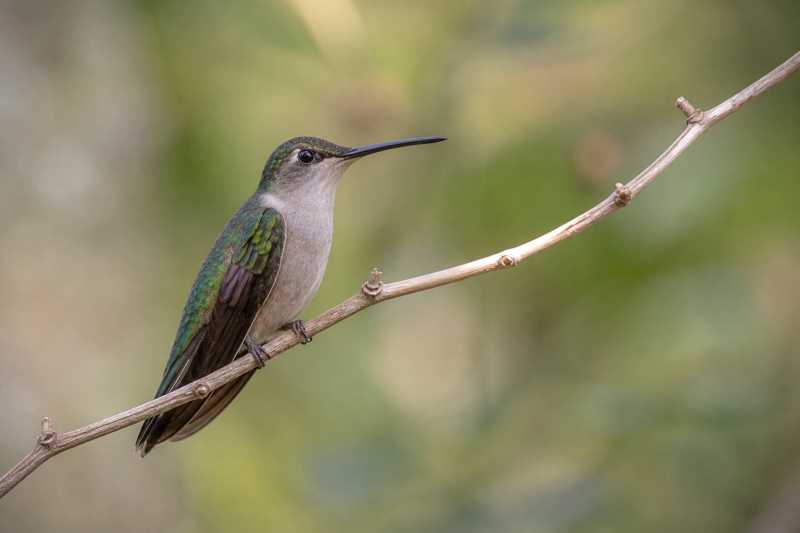
The Curve-winged Sabrewing is a medium-sized hummingbird, measuring approximately 12 to 14 centimeters in length and weighing between 7 to 9 grams. Its most distinctive feature is its curved wings, which are longer than those of many other hummingbirds. This unique wing morphology not only aids in its agile flight but also contributes to its name.
The plumage of the Curve-winged Sabrewing is a striking combination of metallic greens and blues, with iridescent qualities that shimmer in the sunlight. Males and females are similar in appearance, although males typically display more vibrant coloration. Their long, slightly curved bills are perfectly adapted for accessing nectar from tubular flowers, and their specialized tongues allow them to extract nectar efficiently.
Feeding Habits and Behavior
The Curve-winged Sabrewing is primarily nectarivorous, relying heavily on the nectar of various flowering plants. Its diet is supplemented by small insects and spiders, which provide essential proteins and nutrients. The hummingbird’s feeding behaviors are characterized by rapid and agile movements, as it hovers deftly before flowers to extract nectar.
These hummingbirds exhibit territorial behavior, often defending their feeding territories from intruders. Males are particularly aggressive during the breeding season, engaging in aerial displays and vocalizations to attract mates and ward off rivals. Their flight patterns are a spectacle to behold, showcasing both speed and precision.
Breeding and Reproduction
Breeding season for the Curve-winged Sabrewing typically aligns with the peak flowering periods of their habitat, ensuring a plentiful supply of food for their offspring. Nests are meticulously constructed by females using plant fibers, moss, and spider silk, providing a secure environment for the incubation of eggs.
Females lay two white eggs per clutch, which they incubate for approximately 15 to 20 days. Once hatched, the chicks are nurtured and fed by the female until they fledge, which occurs about three weeks after hatching. The role of the male in reproduction is primarily limited to courtship and territory defense.
Conservation Status and Challenges
The Curve-winged Sabrewing is currently classified as a species of Least Concern by the International Union for Conservation of Nature (IUCN). However, the species faces several threats that could impact its population in the future. Habitat loss due to deforestation, agricultural expansion, and climate change poses significant challenges to the survival of this species.
Efforts to conserve the Curve-winged Sabrewing and its habitat are essential for maintaining the biodiversity of the regions it inhabits. Conservation initiatives that focus on preserving forested areas, promoting sustainable land-use practices, and raising awareness about the ecological value of hummingbirds are crucial steps in ensuring the long-term survival of this species.
In conclusion, the Curve-winged Sabrewing is a captivating representative of the hummingbird family, admired for its beauty, agility, and ecological importance. As we continue to explore and understand the complexities of the natural world, the preservation of such species becomes increasingly vital. By protecting the habitats that sustain them, we not only safeguard the future of the Curve-winged Sabrewing but also contribute to the broader goal of conserving global biodiversity.
Related posts