The Cape Verde Swift: A Unique Avian Wonder of the Atlantic
The Cape Verde Swift (Apus alexandri) is a remarkable bird species that calls the isolated and breathtaking archipelago of Cape Verde its home. Known for its distinctive aerial prowess and adaptability, this bird plays a significant role in the ecological balance of the region. In this article, we delve into the intricate details of the Cape Verde Swift, exploring its habitat, behavior, conservation status, and the challenges it faces in its natural environment.
A Unique Habitat
Cape Verde, an archipelago consisting of ten volcanic islands, is situated off the northwest coast of Africa. The islands’ rugged landscapes, combined with a subtropical climate, create a unique habitat for a variety of wildlife, including the Cape Verde Swift. This bird is endemic to the region, meaning it is not found anywhere else in the world.
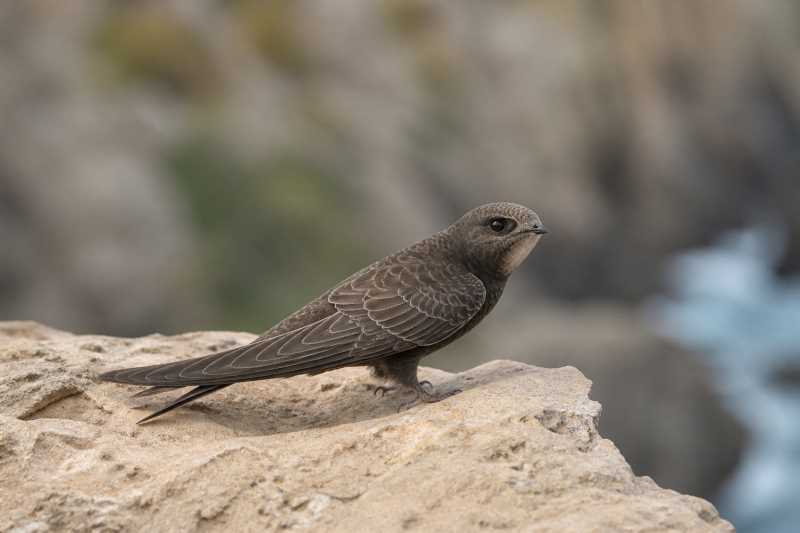
The swift is primarily found on the islands of Santiago, Fogo, and Brava, where it inhabits rocky cliffs and coastal areas. These environments provide ideal nesting sites, offering protection from predators and proximity to abundant food sources. The Cape Verde Swift has adapted well to the archipelago’s varied terrain, showcasing its resilience and versatility.
Characteristics and Behavior
The Cape Verde Swift is a small, agile bird, measuring approximately 14 cm in length with a wingspan of around 35 cm. Its plumage is predominantly dark brown with a slightly paler throat and underparts, which can make it difficult to spot against the rocky cliffs it often frequents.
One of the most fascinating aspects of the Cape Verde Swift is its flight. These birds are exceptional fliers, capable of reaching impressive speeds and maneuvering with incredible precision. They spend the majority of their lives in the air, feeding primarily on insects caught mid-flight. Their aerodynamic bodies and long, narrow wings are perfectly adapted for sustained flight, allowing them to travel long distances in search of food.
Breeding occurs during the wet season, from August to October, when food is most abundant. The swifts nest in crevices and cavities in cliffs, often reusing the same sites year after year. Both parents contribute to incubation and feeding the chicks, showcasing a cooperative breeding strategy that enhances their reproductive success.
Conservation Status and Threats
The Cape Verde Swift is currently listed as Near Threatened on the IUCN Red List. This classification highlights the bird’s vulnerability to various environmental and anthropogenic pressures. The primary threats include habitat destruction due to human development, predation by introduced species such as rats and cats, and climate change, which affects their food availability and breeding success.
Conservation efforts are crucial to ensure the survival of this species. Organizations are working to protect critical habitats and control invasive species populations. Additionally, raising awareness about the ecological importance of the Cape Verde Swift can help foster community involvement in conservation initiatives.
The Ecological Role of the Cape Verde Swift
As a predator of flying insects, the Cape Verde Swift plays a vital role in controlling insect populations. This ecological service is particularly important in maintaining the balance of the island ecosystems. By consuming large quantities of insects, these birds help reduce the prevalence of pests, benefiting both natural habitats and human agricultural activities.
Moreover, the swift serves as an indicator species for environmental health. Changes in their population dynamics can signal shifts in ecosystem conditions, prompting conservationists to investigate potential environmental issues.
Conclusion
The Cape Verde Swift is an extraordinary bird species that epitomizes the unique biodiversity of the Cape Verde archipelago. Despite facing numerous challenges, it continues to thrive, demonstrating remarkable adaptability and resilience. Through dedicated conservation efforts and increased awareness, there is hope for securing the future of the Cape Verde Swift and preserving the ecological harmony of its natural habitat.
In summary, the Cape Verde Swift is more than just an avian marvel; it is a symbol of the delicate balance within the island ecosystems and a reminder of the importance of conservation in maintaining biodiversity worldwide.
Related posts