Red-eared Monkey (Cercopithecus erythrotis): An In-depth Exploration
Introduction
The Red-eared Monkey (Cercopithecus erythrotis), also known as the Red-eared Guenon, is a captivating species of primate that holds significant ecological and scientific interest. Native to the dense forests of Central and West Africa, this species is renowned for its striking appearance and complex social behaviors. Despite their charm, Red-eared Monkeys face substantial threats in the wild, making them a focal point for conservation efforts. In this comprehensive article, we delve into the myriad aspects of this intriguing species.
Physical Description
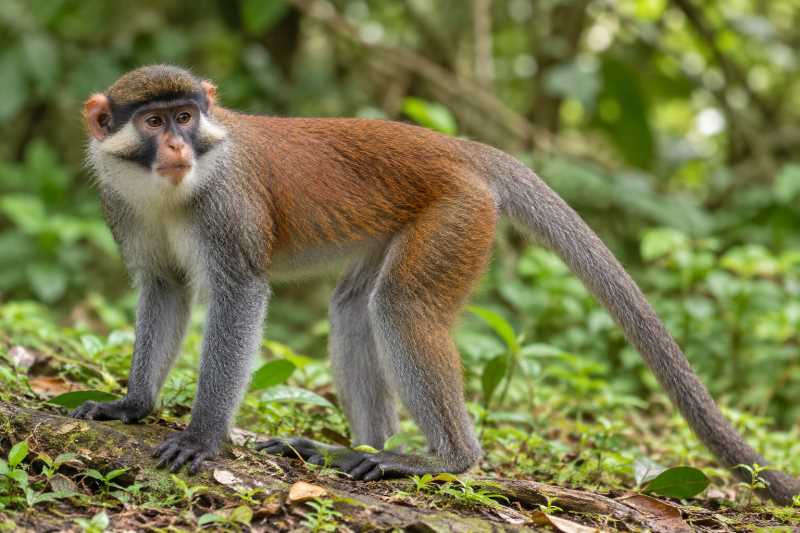
Red-eared Monkeys are medium-sized primates characterized by their vivid facial markings and agile build. Adult males typically weigh between 3.5 to 4.5 kg (7.7 to 9.9 lbs), while females are slightly lighter, ranging from 2.5 to 3.5 kg (5.5 to 7.7 lbs). The body length of these monkeys is about 40 to 50 cm (15.7 to 19.7 inches) excluding the tail, which can add an additional 50 to 60 cm (19.7 to 23.6 inches).
The most distinctive feature of the Red-eared Monkey is its vibrant red patches located just above their ears, contrasting sharply against their otherwise dark fur. Their face is adorned with a white nose spot and expressive eyes set against a dark face. The back and limbs are covered in coarse, brownish-grey fur, while the underbelly is lighter, often shaded with white or cream.
Range and Habitat
Red-eared Monkeys inhabit the tropical and subtropical forests of Central and West Africa. Their range extends through countries such as Nigeria, Cameroon, Equatorial Guinea, and into small portions of Gabon. These primates are primarily arboreal, thriving in the dense canopies of lowland rainforests.
The species is highly adaptable but prefers primary and mature secondary forests. Occasionally, they can be found in forest edges or swamp forests, provided there is sufficient tree cover. Their preference for dense foliage provides safety from predators and ample food resources.
Behavior and Diet
Red-eared Monkeys are social animals, typically living in groups ranging from 10 to 30 individuals. These groups are often composed of a dominant male, multiple females, and their offspring. Social bonds are reinforced through grooming and playful interactions.
Their diet is predominantly frugivorous, consisting mainly of fruits, seeds, and leaves. However, they are opportunistic feeders and will consume insects and small vertebrates when available. Their foraging activities are primarily diurnal, with monkeys spending the majority of their day searching for and consuming food.
Identification Tips
When observing Red-eared Monkeys in the wild, several key features can aid in their identification:
- Red Ear Patches: Look for the unique red patches above the ears, which are the most distinctive trait.
- Facial Markings: Note the white nose spot and dark face, which contrast with their bright eyes.
- Tail Length: Their long tails, often used for balance, are nearly as long as their bodies.
- Social Behavior: They are often seen in groups, engaging in social grooming and play.
Conservation Status
The Red-eared Monkey is currently classified as Vulnerable on the IUCN Red List. The primary threats to their survival include habitat destruction due to logging, agricultural expansion, and human settlement. Additionally, they are hunted for bushmeat, which significantly impacts their population numbers.
Conservation efforts are underway to protect these primates, focusing on habitat preservation and anti-poaching initiatives. Some regions have established protected areas where Red-eared Monkeys can thrive without the immediate threat of habitat loss or hunting. Conservationists continue to advocate for stronger enforcement of wildlife protection laws and increased awareness about the species’ plight.
Frequently Asked Questions
What does a Red-eared Monkey eat?
Red-eared Monkeys primarily consume a diet of fruits, seeds, and leaves. They are also known to eat insects and small vertebrates when available, making them opportunistic feeders.
Where can I find Red-eared Monkeys in the wild?
These monkeys are found in the dense forests of Central and West Africa, including countries like Nigeria, Cameroon, and Equatorial Guinea. They inhabit primary and mature secondary forests.
Are Red-eared Monkeys endangered?
The Red-eared Monkey is classified as Vulnerable on the IUCN Red List. They face threats from habitat destruction and hunting, making conservation efforts crucial for their survival.
How can I identify a Red-eared Monkey in the wild?
Key identification features include bright red ear patches, a white nose spot, dark face, and a long tail. They are social animals, often seen in groups.
What conservation measures are in place for Red-eared Monkeys?
Conservation measures include habitat preservation, anti-poaching initiatives, and the establishment of protected areas. Efforts focus on law enforcement and raising awareness about their conservation status.
Related posts