White-striped Forest Wallaby (Dorcopsis hageni): An In-depth Exploration
Introduction
The White-striped Forest Wallaby, scientifically known as Dorcopsis hageni, is a remarkable species that captivates wildlife enthusiasts and researchers alike. This elusive mammal is native to the dense forests of Papua New Guinea, where it plays a crucial role in the ecosystem. Despite its importance, the White-striped Forest Wallaby remains relatively understudied, making it a subject of intrigue and fascination. This article delves into various aspects of Dorcopsis hageni, including its physical characteristics, habitat, behavior, and conservation status, providing a comprehensive understanding of this unique wallaby species.
Physical Description
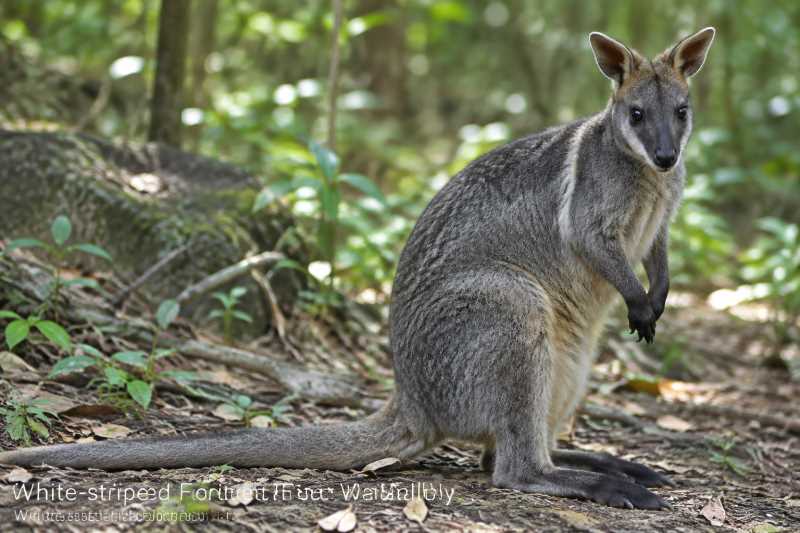
The White-striped Forest Wallaby is a small to medium-sized marsupial distinguished by its striking physical features. One of its most notable characteristics is the prominent white stripe that runs along its back, a trait that gives the species its common name. This stripe contrasts sharply with its otherwise dark fur, which ranges from grey to brown, providing effective camouflage in its forest habitat.
Adult White-striped Forest Wallabies typically weigh between 3.5 to 6 kilograms (7.7 to 13.2 pounds) and have a body length of approximately 70 to 90 centimeters (27.5 to 35.4 inches), including the tail. The tail itself is muscular and serves as a balance aid during movement. Their ears are small and rounded, adapted to their dense forest environment, where acute hearing is essential for detecting predators.
Range and Habitat
Dorcopsis hageni is endemic to the lowland and mid-montane forests of Papua New Guinea, primarily inhabiting areas with dense vegetation. These wallabies are found in both primary and secondary forests, where they take advantage of the thick underbrush for cover and feeding.
The species is most commonly associated with regions that have a high degree of canopy cover, which provides protection from predators and harsh weather conditions. The availability of water sources and food plants also influences their distribution, as these are critical factors for their survival.
Behavior and Diet
The White-striped Forest Wallaby is primarily nocturnal, emerging at dusk to forage for food. This behavior minimizes exposure to predators and allows them to exploit the cooler temperatures of the night. During the day, they rest in the dense undergrowth, where they are well concealed.
Their diet consists predominantly of leaves, fruits, and shoots, making them important seed dispersers in their ecosystem. By feeding on a variety of plant species, these wallabies help maintain the health and diversity of their forest habitats. Their foraging habits also promote new plant growth, contributing to the dynamic balance of their environment.
Identification Tips (Field Recognition Cues)
Identifying the White-striped Forest Wallaby in the wild can be challenging due to their elusive nature and the dense habitats they occupy. However, several key features can aid in their identification:
- Distinctive White Stripe: Look for the characteristic white stripe running along the length of their back, a definitive marker of the species.
- Size and Build: Observe the medium build and relatively small stature compared to other wallaby species.
- Behavior: Note their nocturnal activity patterns, with increased movement during the early evening and nighttime hours.
- Habitat Preference: Focus on densely vegetated areas within Papua New Guinea, particularly those with ample underbrush.
Conservation Status (With Threats and Protections)
The White-striped Forest Wallaby is currently classified as Near Threatened on the IUCN Red List. Several factors contribute to this status, including habitat destruction, hunting, and environmental changes.
Threats
- Habitat Destruction: Deforestation for agriculture and logging poses a significant threat to their natural habitat, reducing the available living space and food resources.
- Hunting: In some areas, Dorcopsis hageni is hunted for its meat, leading to population declines.
- Climate Change: Alterations in weather patterns can impact the availability of food and water, further stressing populations.
Protections
Efforts to conserve the White-striped Forest Wallaby include establishing protected areas and promoting sustainable land-use practices. Additionally, research initiatives aimed at understanding their ecology and population dynamics are crucial for informed conservation strategies.
Frequently Asked Questions
What is the habitat of the White-striped Forest Wallaby?
The White-striped Forest Wallaby inhabits the lowland and mid-montane forests of Papua New Guinea, preferring areas with dense vegetation and high canopy cover.
How can you identify a White-striped Forest Wallaby?
Key identification features include a distinctive white stripe on the back, small size, and nocturnal behavior. They are typically found in dense forest habitats.
What threats do White-striped Forest Wallabies face?
Major threats include habitat destruction due to deforestation, hunting for meat, and the impacts of climate change affecting food and water availability.
How does the White-striped Forest Wallaby contribute to its ecosystem?
As seed dispersers, they play a vital role in maintaining forest health and diversity, promoting plant regeneration and ecological balance.
What is the conservation status of the White-striped Forest Wallaby?
The species is classified as Near Threatened, with ongoing efforts to protect their habitats and mitigate the impacts of human activities.
Related posts