Atherton Antechinus (Antechinus godmani): A Comprehensive Guide
Introduction
The Atherton Antechinus, scientifically known as Antechinus godmani, is a small, carnivorous marsupial native to the rainforests of northeastern Queensland, Australia. With its unique reproductive strategies and intriguing ecological role, this species is a subject of interest for ecologists and wildlife enthusiasts alike. Named after the Atherton Tablelands, where it is predominantly found, this antechinus plays a vital role in the ecosystem by controlling insect populations.
Physical Description
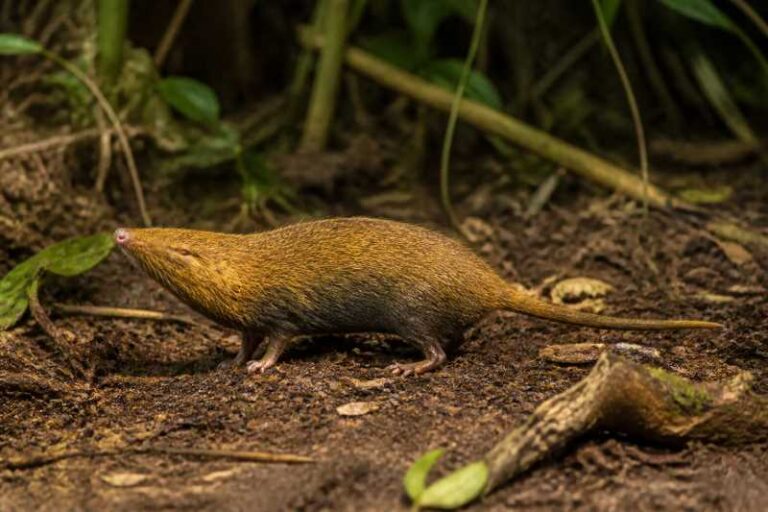
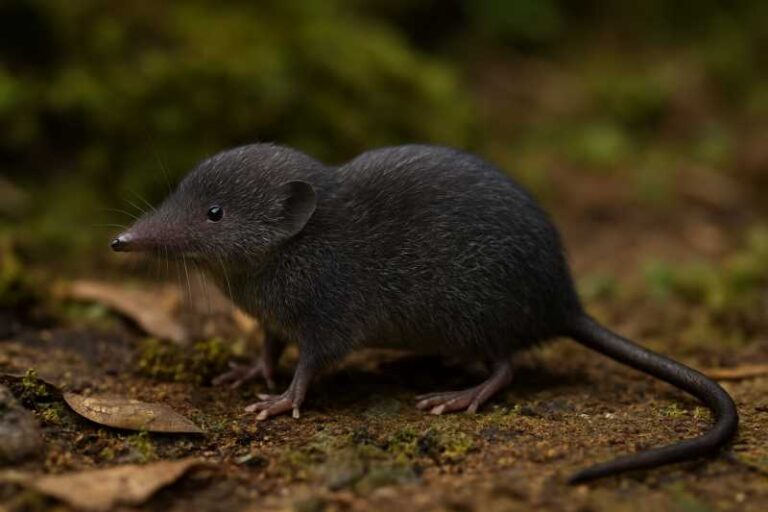
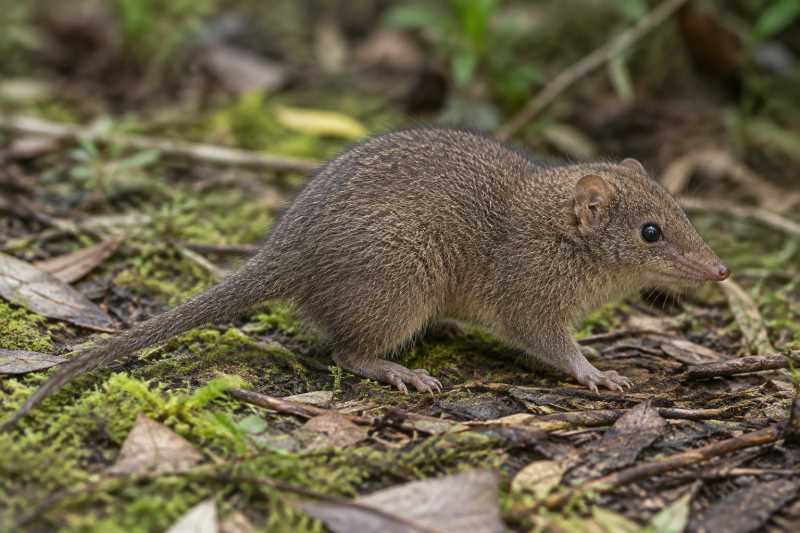
The Atherton Antechinus is a small mammal, with adults typically weighing between 30 to 60 grams. Its body length ranges from 9 to 14 centimeters, not including the tail, which adds an additional 7 to 12 centimeters. The fur of the Atherton Antechinus is dense and soft, providing insulation against the cool, moist conditions of its rainforest habitat. The dorsal side is usually a mottled grey-brown, allowing it to blend into the forest floor, while the ventral side is a lighter grey or cream color.
The species is characterized by a pointed snout and small, rounded ears. Its eyes are relatively large, aiding its nocturnal lifestyle. The tail, although not prehensile, is long and slender, providing balance and agility as it navigates the underbrush and climbs trees. The feet of the Atherton Antechinus are adapted for climbing, with sharp claws that enable it to grip tree bark and other surfaces.
Range and Habitat
The Atherton Antechinus is endemic to the rainforests of the Atherton Tablelands in Queensland, Australia. This region is known for its rich biodiversity and complex ecosystems. The antechinus inhabits montane rainforests, where it finds ample cover and food resources. It prefers altitudes above 600 meters, where cooler temperatures and high humidity create ideal living conditions.
Within these rainforests, the Atherton Antechinus is most commonly found in areas with dense undergrowth, fallen logs, and leaf litter. These features provide essential shelter from predators and harsh weather, as well as abundant hunting grounds for insects and other small prey.
Behavior and Diet
The Atherton Antechinus is predominantly nocturnal, emerging from its nest at dusk to hunt and forage. It is an opportunistic feeder, with a diet primarily consisting of insects, such as beetles, spiders, and crickets. Occasionally, it may also consume small vertebrates and fruit. The antechinus uses its keen sense of smell and sharp eyesight to locate prey in the dark, often employing a sit-and-wait hunting strategy.
One of the most remarkable aspects of the Atherton Antechinus is its reproductive behavior. The species is known for its semelparity, where males undergo a single, intense mating season before dying. During this period, males engage in frenzied mating activity that can last up to two weeks, after which they succumb to stress-induced immune system collapse. Females, on the other hand, may live longer and can produce a litter of up to ten joeys.
Identification Tips
Field recognition of the Atherton Antechinus can be challenging due to its resemblance to other small marsupials. However, several key features can aid in its identification:
- Size and Shape: Look for a small, mouse-sized mammal with a long, pointed snout.
- Fur Color: Note the mottled grey-brown dorsal fur and lighter ventral side.
- Tail: Observe the long, slender tail that is typically as long as the body.
- Behavior: Spotting an antechinus is more likely at night, as they are nocturnal.
- Habitat: Confirm sightings in montane rainforest environments, particularly on the Atherton Tablelands.
Conservation Status
The Atherton Antechinus is currently listed as Least Concern on the IUCN Red List, although it faces several threats that could impact its population in the future. Habitat destruction due to land clearing for agriculture and development poses the most significant threat to its rainforest habitat. Climate change also poses a risk, potentially altering the delicate balance of the montane rainforest ecosystem.
Conservation efforts focus on habitat protection and restoration. The establishment of national parks and conservation reserves in the Atherton Tablelands has provided some protection, but ongoing monitoring and research are essential to ensure the species’ long-term survival. Engaging local communities in conservation initiatives and raising awareness about the ecological importance of the Atherton Antechinus can further aid in its protection.
Frequently Asked Questions
- What is the lifespan of an Atherton Antechinus?
The lifespan of an Atherton Antechinus is relatively short. Males typically live for about a year, dying shortly after their first mating season due to stress-related factors. Females may live longer, up to two or three years, allowing them to reproduce multiple times.
- How does climate change affect the Atherton Antechinus?
Climate change poses a threat to the Atherton Antechinus by altering its montane rainforest habitat. Changes in temperature and precipitation patterns can affect the availability of food resources and the suitability of the environment, potentially leading to population declines.
- Can Atherton Antechinus be kept as pets?
Atherton Antechinus are wild animals and are not suitable as pets. They have specialized ecological roles and dietary needs that are difficult to meet in captivity. Additionally, their short lifespan and intense reproductive behavior make them unsuitable for domestication.
- How do Atherton Antechinus contribute to the ecosystem?
Atherton Antechinus play a crucial role in their ecosystem by controlling insect populations. As insectivores, they help maintain the balance of species and prevent overpopulation of certain insect groups, contributing to the overall health of the rainforest environment.
- What efforts are being made to conserve the Atherton Antechinus?
Conservation efforts for the Atherton Antechinus include habitat protection through the establishment of national parks and reserves. Research and monitoring programs aim to better understand the species’ ecology and population dynamics, informing future conservation strategies.
Related posts