The Blue-eyed Ground Dove: A Jewel of Brazilian Avifauna
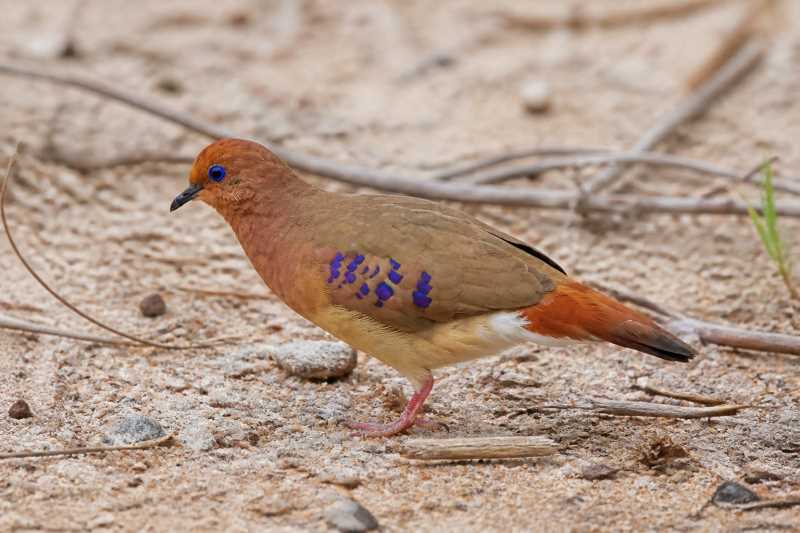
In the vibrant tapestry of Brazil’s avian diversity, the Blue-eyed Ground Dove (Columbina cyanopis) emerges as one of the most captivating and enigmatic species. This small, elusive bird, with its striking sky-blue eyes and rich russet plumage, has captured the fascination of ornithologists and conservationists alike. Once thought to be extinct, its rediscovery has sparked a renewed interest in its conservation and the preservation of its unique habitat.
A Brief Description of the Blue-eyed Ground Dove
The Blue-eyed Ground Dove is a member of the Columbidae family, which includes pigeons and doves. It is a small bird, measuring approximately 15 to 18 centimeters in length. Its most distinctive features are its vivid blue eyes, which contrast beautifully with its cinnamon-colored feathers. The bird’s underparts are a lighter shade, offering a subtle yet striking contrast to its overall appearance. Males and females are similar in appearance, although males tend to have slightly more vivid coloring.
Habitat and Distribution
Historically, the Blue-eyed Ground Dove was believed to inhabit the cerrado biome, a vast tropical savanna that spans much of central Brazil. This biome is characterized by its unique blend of grasslands, shrubs, and scattered trees, providing a mosaic of habitats for a wide range of species. However, due to extensive habitat destruction and fragmentation, the dove’s range has been significantly reduced.
The species was presumed extinct until its rediscovery in 2015 in the state of Minas Gerais. This discovery was a monumental moment for conservationists, as it provided a glimmer of hope for the species’ survival. The current known population is estimated to be fewer than 50 individuals, making it one of the most critically endangered birds in the world.
Conservation Challenges
The primary threat to the Blue-eyed Ground Dove is habitat loss. The cerrado has been subjected to extensive agricultural expansion, cattle ranching, and urban development. These activities have led to the destruction of large swathes of the dove’s natural habitat, pushing the species to the brink of extinction.
In addition to habitat destruction, the dove faces threats from wildfires, which are becoming increasingly common due to climate change and land management practices. These fires can decimate large areas of vegetation, further reducing the available habitat for the species.
Conservation Efforts and Strategies
The rediscovery of the Blue-eyed Ground Dove has galvanized conservation efforts aimed at protecting this critically endangered species. One such initiative is the establishment of protected areas within the species’ known range. These protected areas are crucial for providing a safe haven for the doves and ensuring the preservation of their habitat.
Furthermore, organizations such as SAVE Brasil (the Brazilian affiliate of BirdLife International) have been instrumental in spearheading conservation efforts. These organizations work in collaboration with local communities, government agencies, and international partners to implement conservation strategies and raise awareness about the importance of preserving the cerrado ecosystem.
Captive breeding programs are also being explored as a potential strategy to bolster the population of the Blue-eyed Ground Dove. By breeding individuals in captivity and subsequently releasing them into secure habitats, conservationists hope to increase the species’ numbers and genetic diversity.
The Importance of Community Involvement
Successful conservation efforts often rely heavily on the involvement and support of local communities. In the case of the Blue-eyed Ground Dove, engaging with local residents is crucial for ensuring the long-term survival of the species. By educating communities about the ecological significance of the dove and the cerrado biome, conservationists can foster a sense of stewardship and encourage sustainable land-use practices.
Local communities can also play a vital role in monitoring the species and reporting sightings, which can provide valuable data for researchers and conservationists. Citizen science initiatives, where community members are trained to collect data on local wildlife, can greatly enhance conservation efforts and facilitate the collection of important information about the dove’s population and distribution.
Conclusion
The Blue-eyed Ground Dove stands as a symbol of hope and resilience in the face of overwhelming odds. Its rediscovery serves as a reminder of the incredible biodiversity that exists within the planet’s most endangered ecosystems and underscores the urgent need for dedicated conservation efforts. By protecting the dove and its habitat, we are not only preserving a unique and beautiful species but also safeguarding the rich tapestry of life that the cerrado biome supports.
Through collaborative efforts that involve government agencies, conservation organizations, and local communities, there is hope that the Blue-eyed Ground Dove will continue to grace the skies of Brazil for generations to come. As we strive to protect this rare and precious bird, we are also contributing to the broader mission of preserving the planet’s biodiversity and ensuring a sustainable future for all living beings.
Related posts