The Karoo Korhaan: A Remarkable Denizen of South Africa’s Arid Landscapes
The Karoo Korhaan, scientifically known as Heterotetrax vigorsii, is a fascinating and unique bird species that inhabits the semi-arid regions of South Africa, particularly the Karoo. This bird, a member of the bustard family, is renowned for its stark yet beautiful appearance and its ability to thrive in some of the most challenging environments on the African continent. In this article, we delve into the intricate world of the Karoo Korhaan, exploring its habitat, behavior, and conservation status.
Habitat and Distribution
The Karoo Korhaan is endemic to South Africa, predominantly residing within the vast expanses of the Karoo, a semi-desert natural region characterized by its unique vegetation and climate. The bird’s range extends into the Northern Cape, Western Cape, and Eastern Cape provinces. The Karoo is known for its sparse rainfall, extreme temperatures, and distinctive flora, which includes hardy shrubs and succulents that provide cover and food for the Korhaan.
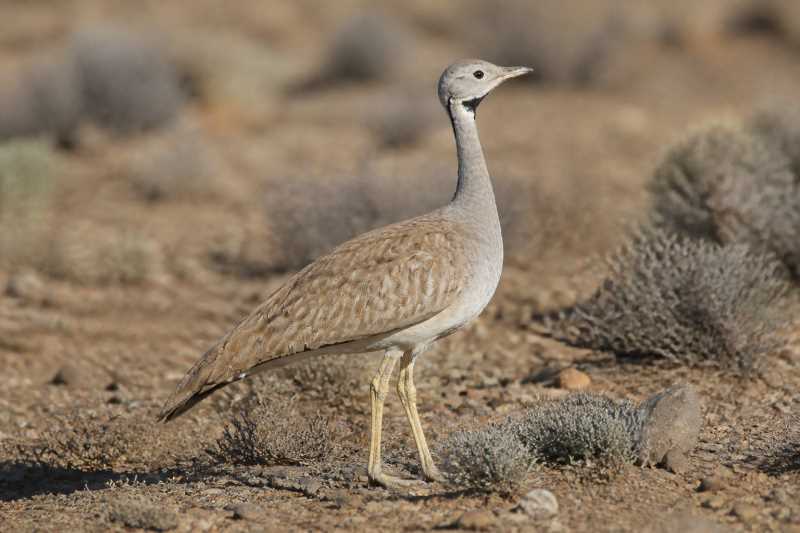
These birds are typically found in open plains and low shrublands, where they can effectively camouflage themselves from predators. The Karoo Korhaan’s ability to blend into its environment is crucial for its survival, as it relies on stealth and its keen senses to avoid threats and hunt for food.
Physical Characteristics
The Karoo Korhaan exhibits a striking appearance, with a body length of approximately 60 centimeters and a wingspan that can reach up to 80 centimeters. Males and females are similar in size, though the males are often slightly larger. The plumage of the Karoo Korhaan is predominantly brown and grey, with intricate patterns that provide excellent camouflage against the arid backdrop of the Karoo landscape.
One of the most distinctive features of this bird is its black belly and white throat, which contrast sharply with the muted tones of its body. During the breeding season, males display a more pronounced throat and forehead coloration, which plays a crucial role in attracting mates.
Behavior and Diet
The Karoo Korhaan is known for its intriguing behavioral patterns. These birds are generally non-migratory, spending most of their lives within a specific territory. They are ground-dwelling birds, preferring to walk or run rather than fly. However, when threatened, they are capable of quick, short flights to escape predators.
Their diet is primarily omnivorous, consisting of a wide range of foods that include insects, small reptiles, seeds, and plant matter. This varied diet allows them to adapt to the seasonal changes in the availability of food sources within their arid environment. The Karoo Korhaan uses its sharp beak to forage through the underbrush, digging for insects and other small prey.
Reproduction and Lifespan
The breeding season of the Karoo Korhaan typically occurs during the spring and early summer months, when the availability of food is at its peak. Males engage in elaborate courtship displays to attract females, which include puffing out their chests, calling, and performing aerial displays.
Once a pair forms, the female takes on the responsibility of nest building and incubation. The nest is a simple scrape in the ground, often hidden among vegetation to protect it from predators. The female lays between one to three eggs, which she incubates for about 23 to 25 days. After hatching, the chicks are precocial, meaning they are relatively mature and mobile shortly after birth. They remain under the care of the female until they are capable of fending for themselves.
The lifespan of the Karoo Korhaan in the wild can vary, but they generally live for several years, with some individuals reaching a decade or more under favorable conditions.
Conservation Status and Challenges
Currently, the Karoo Korhaan is listed as a species of least concern by the International Union for Conservation of Nature (IUCN). However, like many species dependent on specific habitats, it faces potential threats from environmental changes and human activities.
Habitat loss due to agricultural expansion, mining, and infrastructure development poses significant risks to the Karoo Korhaan’s natural environment. Additionally, climate change could alter the delicate balance of the Karoo ecosystem, impacting the availability of food and suitable breeding sites for these birds.
Conservation efforts are essential to ensure the long-term survival of the Karoo Korhaan. Protecting large tracts of their natural habitat and promoting sustainable land-use practices will help mitigate some of the threats they face.
Conclusion
The Karoo Korhaan is a remarkable bird, perfectly adapted to the challenging conditions of its arid homeland. Its unique features, behavior, and resilience make it an integral part of South Africa’s diverse avian fauna. Understanding and preserving the natural habitat of the Karoo Korhaan is vital for maintaining the ecological balance of the region and ensuring that future generations can continue to marvel at this extraordinary species.
References
- BirdLife International. (2021). Species factsheet: Heterotetrax vigorsii.
- Sinclair, I., Hockey, P., & Tarboton, W. (2009). Sasol Birds of Southern Africa.
- Dean, W. R. J., & Milton, S. J. (1999). The Karoo: Ecological Patterns and Processes.
Related posts