The Rufous Sabrewing: A Jewel of the Hummingbird World
The Rufous Sabrewing (Pampa rufa), a striking member of the Trochilidae family, is a testament to the incredible diversity and adaptability of hummingbirds. These vibrant creatures, known for their iridescent plumage and remarkable flying abilities, are a sight to behold in the tropical forests of Central America. This article delves into the biology, ecology, and conservation of the Rufous Sabrewing, offering a comprehensive overview of this fascinating species.
Taxonomy and Distribution
Belonging to the genus Pampa, the Rufous Sabrewing is one of several species of hummingbirds found primarily in the mountainous regions of Central America. Its range extends through the highlands of Honduras, El Salvador, Guatemala, and southern Mexico. These birds are typically found at elevations between 1,000 and 2,500 meters, where they inhabit humid montane forests and edges.
Physical Characteristics
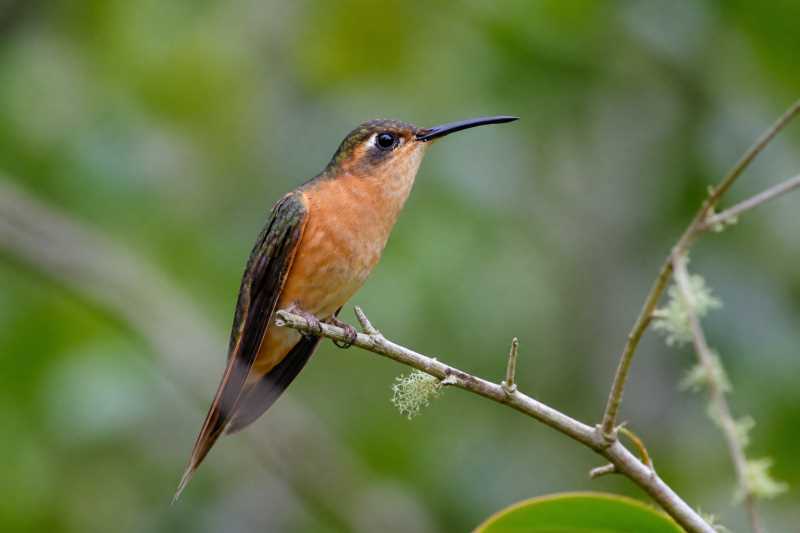
The Rufous Sabrewing is a medium-sized hummingbird, measuring approximately 12 cm in length and weighing around 7 grams. Its most distinctive feature is the rich rufous coloration on its wings and tail, which contrasts beautifully with its emerald green body and white underparts. The species gets its name from the sabre-like shape of its primary feathers, which are slightly curved and contribute to its agile flight.
Male and female Rufous Sabrewings are similar in appearance, although females may have slightly duller plumage. Both sexes possess a long, straight bill adapted for sipping nectar from flowers, which forms the bulk of their diet.
Feeding and Behavior
Rufous Sabrewings are primarily nectarivorous, feeding on the nectar of a wide variety of flowering plants. They play a crucial role in pollination, transferring pollen as they move from flower to flower. In addition to nectar, these hummingbirds consume small insects and spiders, which provide essential proteins and nutrients.
These birds are highly territorial, often engaging in aggressive displays to defend their feeding territories from intruders. Despite their small size, Rufous Sabrewings exhibit remarkable speed and agility, capable of hovering in place and flying in all directions with ease.
Breeding and Nesting
The breeding season for the Rufous Sabrewing coincides with the rainy season, typically from May to September. Males perform elaborate courtship displays, including aerial acrobatics and vocalizations, to attract females.
Females are solely responsible for nest building and chick rearing. They construct small cup-shaped nests from plant fibers, moss, and spider silk, usually placing them on thin branches or in sheltered locations such as under leaves or rock ledges. The female lays two white eggs, which she incubates for about 15 to 19 days. After hatching, the chicks are fed regurgitated nectar and insects until they fledge approximately 20 to 26 days later.
Conservation Status
Currently, the Rufous Sabrewing is classified as Least Concern by the International Union for Conservation of Nature (IUCN). However, like many hummingbirds, it faces threats from habitat loss and fragmentation due to deforestation and agricultural expansion. Conservation efforts are essential to ensure the preservation of its natural habitats and the continuation of its ecological role in pollination.
Local conservation initiatives and protected areas play a vital role in safeguarding the habitats of the Rufous Sabrewing. Environmental education and community involvement are also crucial in promoting sustainable practices that benefit both the species and local human populations.
Conclusion
The Rufous Sabrewing is a remarkable example of the beauty and complexity of the natural world. Its vibrant plumage and agile flight make it a standout among hummingbirds, while its ecological role as a pollinator underscores its importance in maintaining biodiversity. By understanding and protecting species like the Rufous Sabrewing, we contribute to the conservation of the intricate web of life that sustains our planet.
As threats to biodiversity continue to grow, the Rufous Sabrewing serves as a reminder of the need for concerted conservation efforts. Through habitat protection, research, and community engagement, we can ensure that this dazzling bird continues to grace the forests of Central America for generations to come.
Related posts