The Wedge-tailed Sabrewing: A Jewel of the Hummingbird Family
The Wedge-tailed Sabrewing (Pampa pampa) is a captivating member of the hummingbird family, Trochilidae. Known for its vibrant plumage and agile flight, this species has become a subject of interest for ornithologists and bird enthusiasts alike. Found primarily in the tropical and subtropical forests of Central and South America, the Wedge-tailed Sabrewing plays a vital role in its ecosystem as both a pollinator and a part of the food web.
Physical Characteristics
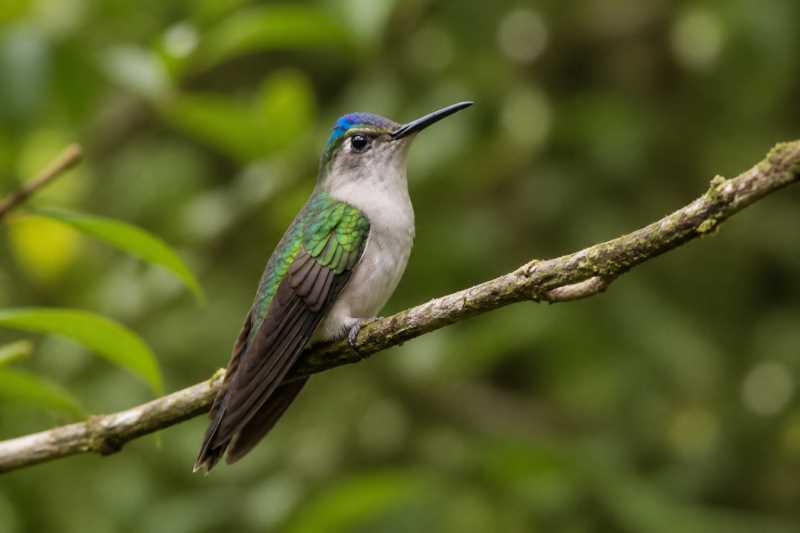
The Wedge-tailed Sabrewing is a large hummingbird, measuring approximately 15 centimeters in length with a wingspan of around 20 centimeters. One of its most distinctive features is its wedge-shaped tail, from which it derives its name. This tail shape not only aids in its maneuverability but also distinguishes it from other hummingbird species.
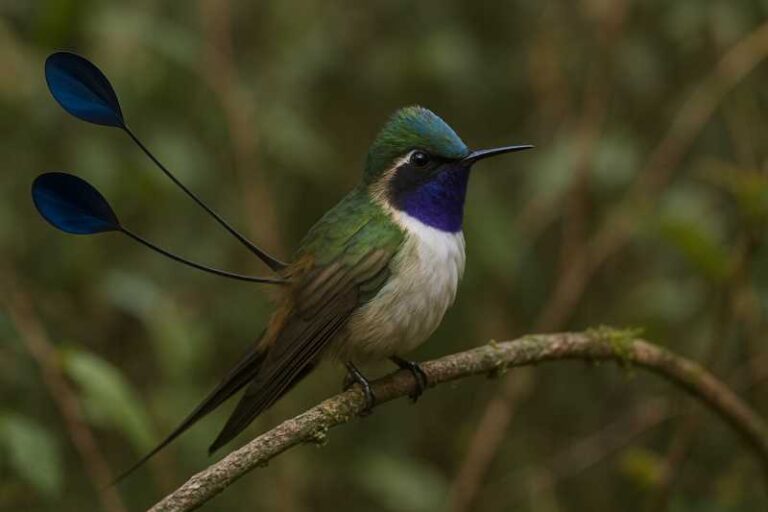
The plumage of the Wedge-tailed Sabrewing is a dazzling blend of emerald green and iridescent blue, with a white underside that provides a striking contrast. Its long, slightly curved beak is perfectly adapted for accessing nectar deep within flowers, making it an efficient pollinator.
Habitat and Distribution
Pampa pampa is predominantly found in the humid lowland forests of Central America, extending into parts of northern South America. It thrives in environments where flowering plants are abundant, often favoring the edges of forests and riverbanks where the sunlight can penetrate and support a rich diversity of flora.
The species is particularly prevalent in countries such as Mexico, Belize, Guatemala, Honduras, and Nicaragua. Some populations have also been observed in Colombia and Venezuela, highlighting its adaptability to various tropical climates.
Behavior and Diet
The Wedge-tailed Sabrewing is known for its energetic and acrobatic flight patterns. It flits from flower to flower with incredible speed and precision, using its long beak to extract nectar while inadvertently aiding in plant pollination. This mutualistic relationship is crucial for maintaining the health of tropical ecosystems.
In addition to nectar, the diet of the Wedge-tailed Sabrewing includes small insects and spiders. These provide essential proteins and nutrients that supplement its primarily sugary diet. The hummingbird’s agile flight allows it to catch tiny prey mid-air, showcasing its remarkable hunting skills.
Reproduction and Lifespan
The breeding season for the Wedge-tailed Sabrewing typically coincides with the period of maximum flower bloom, ensuring ample food supply for the young. The female constructs a small cup-shaped nest made from plant fibers and spider silk, usually placed on a tree branch or shrub.
Once the nest is complete, the female lays two small white eggs, which she incubates for about two weeks. After hatching, the chicks are fed a diet rich in protein from insects, allowing them to grow rapidly. Fledging occurs after approximately three weeks, though the young birds may continue to rely on their mother for food for a short period thereafter.
The lifespan of the Wedge-tailed Sabrewing can vary widely, but many individuals live for several years in the wild. Factors such as predation, habitat loss, and food availability significantly impact their longevity.
Conservation Status and Threats
Currently, the Wedge-tailed Sabrewing is not listed as threatened or endangered. However, like many bird species, it faces challenges due to habitat destruction and climate change. Deforestation for agriculture and urban development poses a significant threat to their natural habitats, reducing the availability of food sources and nesting sites.
Climate change also has the potential to alter the distribution of flowering plants, which could impact the availability of nectar. Conservation efforts focused on preserving tropical forests and promoting biodiversity are essential in ensuring the continued survival of this species.
Conclusion
The Wedge-tailed Sabrewing is a remarkable example of the beauty and complexity of nature. Its role as a pollinator highlights the interconnectedness of ecosystems and the importance of preserving biodiversity. As we continue to study and appreciate this vibrant hummingbird, it serves as a reminder of the delicate balance that sustains life on our planet.
Efforts to protect the habitats of the Wedge-tailed Sabrewing and other hummingbird species are crucial. By raising awareness and promoting conservation initiatives, we can help ensure that future generations will continue to witness the dazzling flight of this jewel of the hummingbird family.
Related posts