The Elusive Esmeraldas Woodstar: A Jewel of the Ecuadorian Forests
Nestled within the lush, verdant forests of Ecuador lies a hidden gem of the avian world, the Esmeraldas Woodstar (Chaetocercus berlepschi). This tiny hummingbird, named after the province of Esmeraldas where it was first discovered, is a testament to the incredible biodiversity and ecological wonder of the region. Despite its minute size, the Esmeraldas Woodstar plays a significant role in the forest ecosystem and is a subject of concern for conservationists around the globe.
Characteristics and Habitat
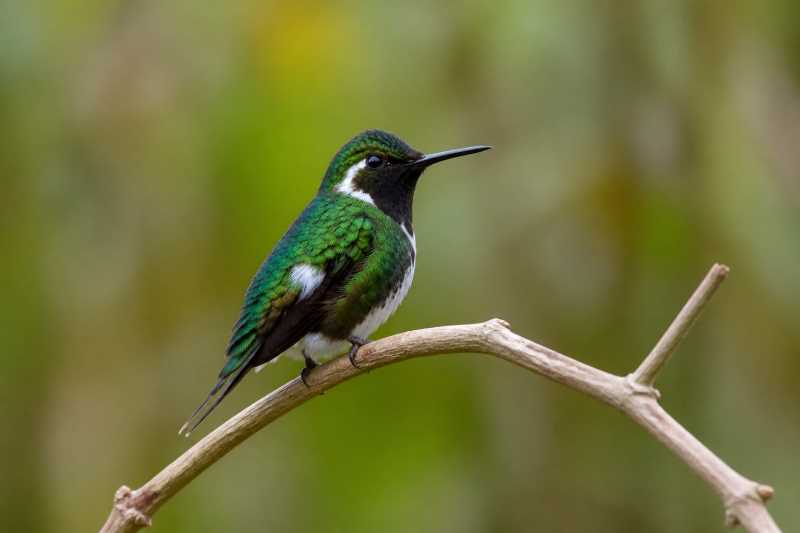
The Esmeraldas Woodstar is one of the smallest birds in the world, measuring just about 6.5 centimeters in length and weighing approximately 2.5 grams. It is a dazzling creature, characterized by its iridescent plumage. The males display a striking metallic green upper body and a brilliant violet-blue throat, which they flaunt during courtship displays. In contrast, the females exhibit a more subdued coloration with a greenish back and a white underbelly.
This diminutive hummingbird is endemic to Ecuador, specifically the coastal lowland forests of the Esmeraldas and Manabí provinces. These areas are part of the Tumbes-Chocó-Magdalena biodiversity hotspot, known for its unique and diverse flora and fauna. The Esmeraldas Woodstar inhabits subtropical or tropical moist lowland forests, often fluttering around the edges of these forests or in partially open areas where it can feed on nectar from a variety of flowering plants.
Ecology and Behavior
The Esmeraldas Woodstar is primarily nectarivorous, equipped with a specialized long, slender bill that allows it to access nectar deep within flowers. It plays a vital role in the pollination of many native plant species, a keystone activity that supports the overall health of its habitat. In addition to nectar, these hummingbirds also consume small insects and spiders, which provide essential proteins.
One of the most fascinating aspects of the Esmeraldas Woodstar is its remarkable flight capabilities. Like other hummingbirds, it can hover in place, fly backwards, and rapidly maneuver through the dense forest vegetation. These flight skills are crucial for avoiding predators and accessing food sources.
Conservation Status
Despite its ecological importance, the Esmeraldas Woodstar is listed as Endangered on the IUCN Red List. The primary threat to its survival is habitat destruction, driven by deforestation for agriculture, logging, and human settlement expansion. The coastal forests of Ecuador have been severely fragmented, reducing the available habitat for this species and isolating populations.
Conservation efforts are underway to protect the remaining habitat of the Esmeraldas Woodstar. Environmental organizations and local communities are working together to establish protected areas and promote sustainable land-use practices. These efforts also include reforestation projects and educational programs aimed at raising awareness about the importance of conserving this unique species and its habitat.
Importance of Conservation
The conservation of the Esmeraldas Woodstar is not just about saving a single species; it is about preserving an entire ecosystem. This hummingbird is an integral component of the coastal forest ecology, and its decline could have cascading effects on plant pollination and the overall biodiversity of the region.
Moreover, the Esmeraldas Woodstar serves as an indicator species, reflecting the broader health of its environment. Its presence or absence can provide valuable insights into the state of the ecosystem, guiding conservation strategies and policy decisions.
Conclusion
The Esmeraldas Woodstar is a symbol of the rich natural heritage of Ecuador, a reminder of the intricate connections that bind species and ecosystems together. Protecting this tiny hummingbird is a critical step towards ensuring the preservation of one of the world’s most unique biodiversity hotspots.
Conservationists, local communities, and policymakers must continue to collaborate and innovate to safeguard the future of the Esmeraldas Woodstar. Through these efforts, we can hope to see this jewel of the forest fluttering through the trees for generations to come, a testament to the resilience of nature and the power of concerted conservation action.
Related posts