The Andean Hillstar: A Jewel of the High Andes
The Andean Hillstar (Oreotrochilus estella) is a remarkable species of hummingbird that graces the rugged landscapes of the South American Andes. Known for its resilience and vibrant plumage, this bird thrives in some of the most inhospitable environments on the planet. This article delves into the unique characteristics, habitat, behavior, and conservation status of the Andean Hillstar, offering insights into what makes this avian marvel a subject of fascination for ornithologists and nature enthusiasts alike.
Physical Characteristics
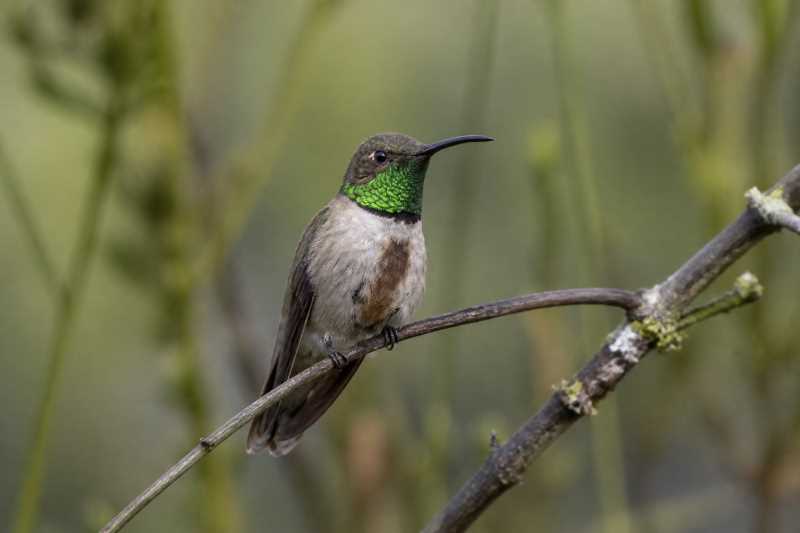
The Andean Hillstar is a medium-sized hummingbird, measuring between 13 to 15 centimeters in length. Its most striking feature is its iridescent plumage. Males boast a brilliant emerald green crown and throat, which contrasts sharply with their white underparts and brownish wings. Females, while less colorful, possess a similar charm with their green backs and speckled throats. The long, straight bill of the Andean Hillstar is perfectly adapted for sipping nectar from tubular flowers, a key source of sustenance in its high-altitude habitat.
Habitat and Distribution
Oreotrochilus estella is found primarily in the Andean regions of Argentina, Bolivia, Chile, and Peru. These birds inhabit elevations ranging from 3,000 to 5,000 meters, making them one of the few species that can endure such harsh altitudinal climates. The Andean Hillstar favors rocky slopes, alpine meadows, and shrublands, where it can find the specialized flora it relies on for nutrition.
The Andes Mountains are characterized by extreme weather conditions, with temperatures often dropping below freezing. Despite these challenges, the Andean Hillstar has evolved to survive and even thrive. Its dense plumage provides insulation against the cold, while its agility and speed allow it to navigate the thin air and variable weather patterns with ease.
Behavior and Diet
The Andean Hillstar is a solitary bird, known for its territorial nature. Males are especially aggressive when defending their feeding territories, which are rich in flowering plants such as chuquiraga and other native species. These flowers not only provide nectar but also attract insects, which supplement the Hillstar’s diet with essential proteins.
Hummingbirds, including the Andean Hillstar, are renowned for their high metabolism. They must consume approximately twice their body weight in nectar daily to sustain their energy levels. In addition to nectar, the Andean Hillstar feeds on small insects and spiders, which provide vital nutrients absent from their sugary diet.
Reproduction and Lifespan
Breeding for the Andean Hillstar typically occurs during the austral summer, from November to March. Males perform elaborate aerial displays to attract females, showcasing their iridescent plumage under the sunlight. Once a pair bonds, the female is solely responsible for nest building and raising the young.
Nests are often constructed in sheltered locations, such as rock crevices or under overhangs, using moss, plant fibers, and feather linings. These structures help protect the eggs and chicks from the harsh mountain weather. The female lays two white eggs, which she incubates for about 16 to 19 days. After hatching, the chicks remain in the nest for approximately three weeks before fledging.
Conservation Status
Currently, the Andean Hillstar is classified as a species of Least Concern by the International Union for Conservation of Nature (IUCN). However, its habitat is under constant threat from human activities, including mining, agriculture, and climate change. The encroachment of these activities into high-altitude ecosystems can lead to habitat degradation and fragmentation, posing significant risks to the Hillstar’s survival.
Conservation efforts are crucial to ensuring the longevity of this species. Protecting their natural habitats through the establishment of reserves and sustainable land-use practices is essential. Additionally, raising awareness about the ecological importance of these birds can foster community support for conservation initiatives.
Conclusion
The Andean Hillstar is a testament to the resilience of life in the face of adversity. Its ability to thrive in the high-altitude environments of the Andes is a remarkable feat of evolution. As we continue to study and admire these beautiful creatures, it is vital to recognize the importance of conserving their habitats for future generations. Through collaborative efforts, we can ensure that the Andean Hillstar remains a vibrant symbol of the Andes for years to come.
Related posts