Lesser One-horned Rhinoceros: A Comprehensive Guide
Introduction
The Lesser One-horned Rhinoceros, scientifically known as Rhinoceros sondaicus, is one of the most elusive and critically endangered mammals on the planet. Commonly referred to as the Javan Rhino, this majestic creature once roamed extensively throughout Southeast Asia. However, due to various anthropogenic pressures, its population has dwindled dramatically, making it a focal point for conservation efforts. This article delves into the intricate details of the Lesser One-horned Rhinoceros, covering its physical attributes, natural habitat, behavior, and the ongoing efforts to ensure its survival.
Physical Description
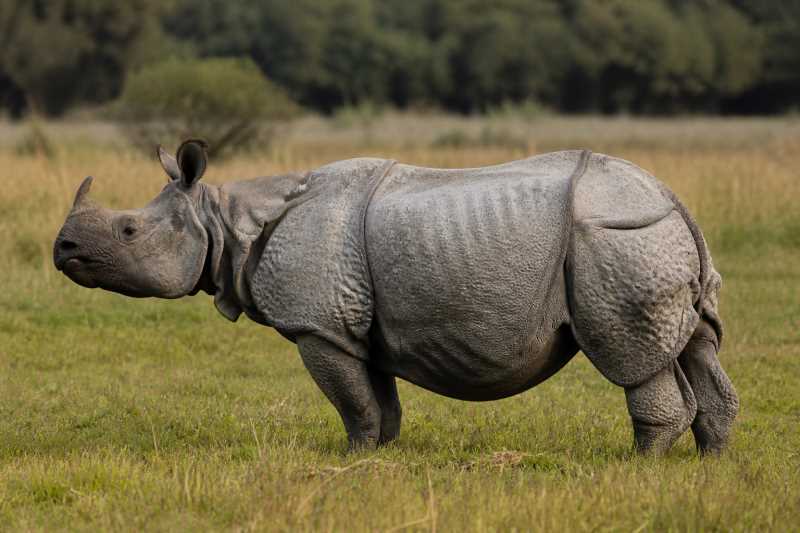
The Javan Rhino is distinguished by its single horn, a feature it shares with its close relative, the Indian Rhino. However, the horn of the Lesser One-horned Rhinoceros is notably smaller, typically measuring less than 25 centimeters (10 inches) in length. This horn is composed of keratin, the same protein that makes up human hair and nails.
Weighing between 900 and 2,300 kilograms (2,000 to 5,100 pounds), the Javan Rhino exhibits a robust, barrel-shaped body. Its skin is grayish-brown and forms loose, folded plates that give it an armored appearance. Unlike its African counterparts, the Javan Rhino’s skin is free of hair, contributing to its smooth texture. Adult males are generally larger than females, though both sexes possess the characteristic single horn.
Range and Habitat
Historically, the Lesser One-horned Rhinoceros inhabited a vast range across Southeast Asia, from India and Bangladesh to Myanmar, Thailand, Laos, Cambodia, Vietnam, and the Indonesian islands of Sumatra and Java. Today, its population is restricted to a single wild habitat: the Ujung Kulon National Park on the western tip of Java, Indonesia.
This region provides the ideal environment for the Javan Rhino, featuring dense lowland rainforests, lush grasslands, and ample freshwater sources. The tropical climate and rich biodiversity support the rhino’s dietary and territorial needs, although habitat encroachment remains a significant concern.
Behavior and Diet
As solitary creatures, Javan Rhinos are primarily browsers, feeding on a diverse diet of leaves, shoots, twigs, and fruits. They are known to have a preference for pioneer plants that thrive in the gaps created by fallen trees. This diet is supplemented by mineral licks, which provide essential nutrients such as calcium and salt.
Javan Rhinos are predominantly nocturnal, using the cover of darkness to forage and navigate their territories. Males are particularly territorial, often marking their ranges with dung piles and urine sprays. Communication among individuals is facilitated through vocalizations, olfactory cues, and body language.
Identification Tips
Field identification of the Lesser One-horned Rhinoceros can be challenging due to its elusive nature. However, there are several key cues for recognition:
- Single Horn: The most distinctive feature is its single horn, which is much smaller compared to other rhino species.
- Skin Texture: Look for the smooth, armor-plated appearance of its skin, which lacks hair.
- Size and Build: The Javan Rhino has a robust, stocky body akin to a barrel, supported by short, sturdy legs.
- Tracks and Dung: Observing footprints and dung piles can help identify the presence of rhinos in an area.
- Behavior Patterns: Note their solitary and nocturnal habits, often utilizing the cover of dense forest.
Conservation Status
The Javan Rhino is listed as Critically Endangered on the IUCN Red List, with an estimated population of fewer than 75 individuals remaining in the wild. The primary threats to their survival include habitat loss due to agricultural expansion, poaching for their horns, and the risk of diseases.
Conservation efforts are focused on habitat protection, anti-poaching patrols, and community education initiatives. The establishment of Ujung Kulon National Park as a protected area is a critical component of these efforts, providing a sanctuary for the remaining population. There are ongoing discussions about establishing a second population to mitigate the risk of extinction from natural disasters or disease outbreaks.
Frequently Asked Questions
What are the main threats to the Javan Rhino?
The main threats include habitat destruction, poaching, and the limited genetic diversity due to their small population size. Conservation programs focus on habitat protection and anti-poaching measures to address these issues.
How can I help in the conservation of Javan Rhinos?
Supporting organizations dedicated to rhino conservation, raising awareness about their plight, and advocating for sustainable land-use practices are effective ways to contribute to their survival.
Why is the Javan Rhino critically endangered?
The Javan Rhino is critically endangered due to extensive habitat loss, poaching for their horns, and a small, isolated population that limits genetic diversity, making recovery challenging.
What efforts are being made to protect the Javan Rhino?
Efforts include the establishment of protected areas like Ujung Kulon National Park, anti-poaching patrols, habitat restoration projects, and research initiatives to monitor the population and health of the rhinos.
Where can Javan Rhinos be found in the wild?
Today, Javan Rhinos are found exclusively in the Ujung Kulon National Park in Java, Indonesia, which is the only remaining habitat for this critically endangered species.
Related posts