Introduction
The Chinese Pygmy Weasel (Mustela aistoodonnivalis) is a fascinating species that attracts the attention of wildlife enthusiasts and researchers alike. Known for its small size and elusive nature, this mammal plays a significant role in its ecosystem. Despite being lesser-known compared to other members of the Mustelidae family, the Chinese Pygmy Weasel offers unique insights into the adaptability and survival strategies of small carnivores.
Physical Description
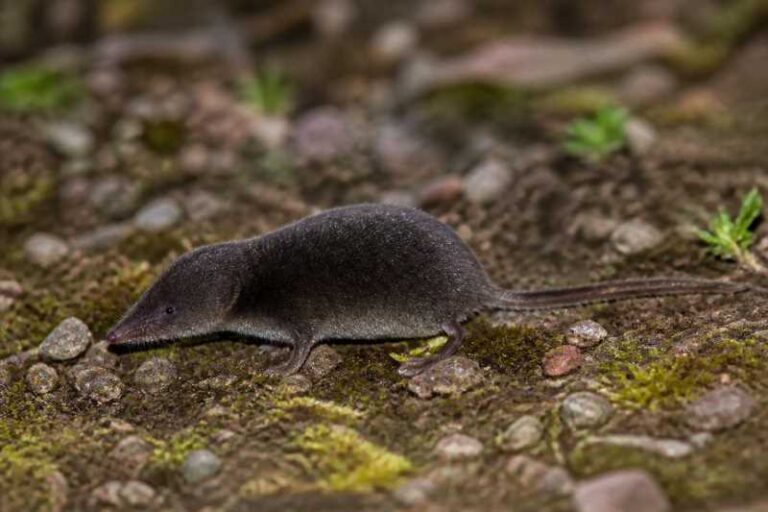
The Chinese Pygmy Weasel is aptly named for its diminutive size. Adult weasels typically measure between 18 to 25 centimeters in length, with males generally larger than females. The tail adds an additional 5 to 7 centimeters to their total length. These weasels are characterized by their slender, elongated bodies, which facilitate their movement through narrow burrows and dense underbrush.
The fur of the Chinese Pygmy Weasel is a striking reddish-brown on the upper parts of the body, transitioning to a lighter, almost white hue on the underparts. This coloration provides excellent camouflage against both predators and prey. The weasel’s coat is dense and soft, offering protection against cold temperatures in its native habitats.
Range and Habitat
The Chinese Pygmy Weasel is primarily found in East Asia, with its range extending across several provinces in China, including Sichuan, Yunnan, and Tibet. This species is also believed to inhabit parts of northern Myanmar and the eastern Himalayas. Preferring high-altitude regions, the weasel thrives in mountainous and forested areas, where it finds ample opportunity for hunting and shelter.
Despite its preference for specific altitudinal zones, the Chinese Pygmy Weasel is highly adaptable and can be found in a variety of habitats, including grasslands and cultivated fields. This adaptability is crucial for its survival, especially in regions experiencing habitat modification due to human activities.
Behavior and Diet
The Chinese Pygmy Weasel is a solitary and primarily nocturnal animal. It relies on its keen sense of smell and hearing to locate prey, which mainly consists of small rodents such as mice and voles. This weasel is an adept hunter, capable of taking down prey larger than itself due to its agility and sharp teeth.
In addition to rodents, the Chinese Pygmy Weasel may also consume birds, eggs, and insects, showcasing its opportunistic feeding behavior. This varied diet reflects the weasel’s resilience and adaptability, allowing it to thrive in diverse environmental conditions.
Identification Tips (Field Recognition Cues)
Identifying the Chinese Pygmy Weasel in the wild requires keen observation skills. Here are some tips for recognizing this elusive mammal:
- Size and Shape: Look for a small, slender creature with a long body and short legs. The overall size is much smaller than other weasel species.
- Coloration: Note the reddish-brown upper body and contrasting lighter underparts. This distinct coloration can help differentiate it from other similar species.
- Behavior: Observe the animal’s movement patterns. The Chinese Pygmy Weasel moves quickly and stealthily, often darting in and out of cover.
- Habitat: Consider the surroundings. If you are in a high-altitude, forested area in its known range, there’s a higher chance of encountering this weasel.
Conservation Status (with Threats and Protections)
The Chinese Pygmy Weasel is currently listed as Least Concern by the International Union for Conservation of Nature (IUCN). However, like many species, it faces threats from habitat loss and fragmentation due to agricultural expansion and urban development.
Deforestation and changes in land use can significantly impact the weasel’s habitat, reducing its available prey and shelter. Additionally, climate change poses a long-term threat by altering the ecosystems in which these weasels thrive.
Conservation efforts for the Chinese Pygmy Weasel focus on habitat protection and monitoring population trends. Protected areas within its range provide some refuge, but continued efforts are necessary to ensure the species’ long-term survival.
Frequently Asked Questions
What is the diet of the Chinese Pygmy Weasel?
The Chinese Pygmy Weasel primarily feeds on small rodents like mice and voles. It also consumes birds, eggs, and insects, reflecting its opportunistic hunting behavior.
Where can the Chinese Pygmy Weasel be found?
This species is found in East Asia, particularly in high-altitude regions of China, including Sichuan, Yunnan, and Tibet. It may also inhabit parts of northern Myanmar and the eastern Himalayas.
How does the Chinese Pygmy Weasel adapt to its environment?
The weasel is highly adaptable, able to live in varied habitats such as forests, grasslands, and cultivated fields. Its diet flexibility and excellent camouflage help it survive in changing environments.
What are the threats to the Chinese Pygmy Weasel?
Major threats include habitat loss due to agriculture and urban development, as well as the impacts of climate change on its natural habitat.
How can I identify a Chinese Pygmy Weasel in the wild?
Look for a small, slender mammal with reddish-brown fur above and lighter underparts. It exhibits quick, stealthy movements and is often found in high-altitude, forested areas.
Related posts