Introduction
The Caucasian Badger, scientifically known as Meles canescens, is a captivating member of the Mustelidae family. This intriguing mammal is a lesser-known relative of the European badger but possesses unique characteristics that make it a subject of interest for wildlife enthusiasts and researchers alike. The Caucasian Badger is primarily found in the Caucasus region, extending its range into parts of the Middle East. Understanding the life and habits of this elusive creature provides insights into the diverse ecosystems it inhabits and the ecological roles it fulfills.
Physical Description
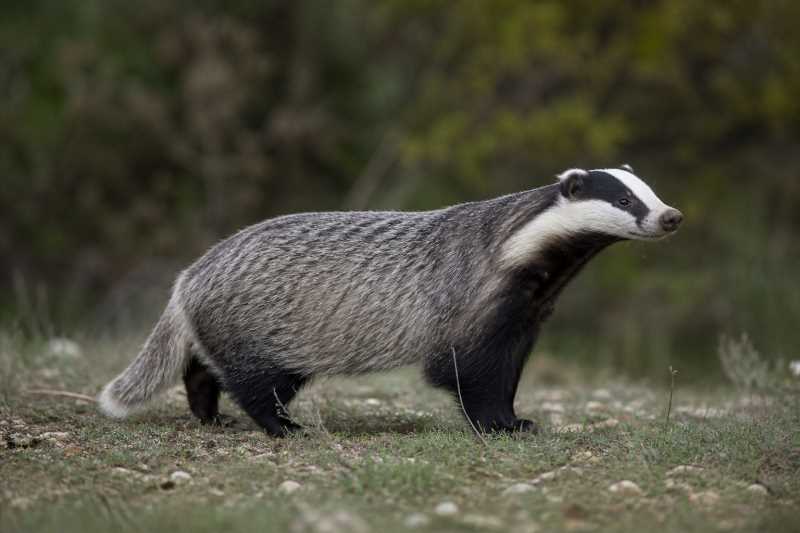
The Caucasian Badger is a robust mammal, distinguished by its sturdy build and characteristic black-and-white facial markings. On average, this badger measures between 65 to 80 centimeters in length, with a tail that adds an additional 12 to 20 centimeters. Adult males tend to be larger than females, weighing anywhere from 10 to 20 kilograms.
One of the most defining features of the Caucasian Badger is its distinctive fur coloration. The dorsal side is typically grayish, while the underside is lighter, providing a stark contrast. Its face is adorned with a striking pattern of black and white stripes, which serve not only as a form of camouflage in its natural habitat but also as a means of identification among peers. The limbs of the Caucasian Badger are short but powerful, equipped with long claws that are perfectly adapted for digging.
Range and Habitat
The Caucasian Badger is primarily found in the geographical region of the Caucasus, which spans across several countries including Russia, Georgia, Armenia, and Azerbaijan. Additionally, its range extends into parts of Turkey and Iran, showcasing its adaptability to various terrains.
In terms of habitat, the Caucasian Badger is highly versatile. It thrives in a variety of environments ranging from dense forests and open meadows to mountainous regions and even semi-arid areas. This adaptability is partly due to its ability to dig extensive burrow systems, called setts, which offer protection from predators and harsh weather conditions. These setts are often located in areas with loose, sandy soil that facilitates easier digging.
Behavior and Diet
Caucasian Badgers are primarily nocturnal creatures, with most of their activity occurring during the night. They are known for their reclusive nature, often avoiding human contact. These badgers are solitary animals, although they occasionally form family groups, especially during breeding seasons.
The diet of the Caucasian Badger is omnivorous and highly opportunistic. They feed on a wide array of food sources, including earthworms, insects, small mammals, fruits, and roots. Seasonal variations in food availability can lead to changes in their diet, demonstrating their adaptability to different environmental conditions.
Identification Tips (Field Recognition Cues)
Identifying a Caucasian Badger in the wild requires keen observation and knowledge of its distinct features. Here are some tips to aid in identification:
- Facial Markings: Look for the characteristic black-and-white stripes on the face that distinguish them from other badger species.
- Size and Build: Note their robust body and relatively short legs, which are equipped with long claws for digging.
- Behavior: Observe their nocturnal activity patterns. They are most active during the night, foraging for food.
- Burrow Systems: Look for signs of extensive burrow systems, which are indicative of their presence in an area.
Conservation Status (With Threats and Protections)
The Caucasian Badger is currently classified as Least Concern by the International Union for Conservation of Nature (IUCN). However, this status does not imply that the species faces no threats. Habitat destruction due to urbanization and agricultural expansion poses significant risks to their populations. In some regions, they are also hunted for their fur and meat.
Conservation efforts are underway in various parts of their range to mitigate these threats. Protected areas have been established in parts of the Caucasus to preserve critical habitats. Additionally, awareness campaigns are being conducted to educate local populations about the ecological importance of badgers and the need for their conservation.
Frequently Asked Questions
1. What is the difference between the Caucasian Badger and the European Badger?
The primary difference lies in their geographical distribution and some variations in physical appearance. The Caucasian Badger (Meles canescens) is found in the Caucasus and parts of the Middle East, while the European Badger (Meles meles) is widespread across Europe. The facial markings of the Caucasian Badger are also slightly less pronounced.
2. How do Caucasian Badgers adapt to different habitats?
Caucasian Badgers are highly adaptable due to their ability to dig extensive burrow systems, which provide shelter and protection. Their omnivorous diet also allows them to exploit a wide range of food resources, enabling them to thrive in diverse environments.
3. Are Caucasian Badgers dangerous to humans?
Caucasian Badgers are generally not dangerous to humans. They are reclusive animals that prefer to avoid human contact. However, like any wild animal, they may defend themselves if threatened.
4. What role do Caucasian Badgers play in their ecosystem?
Caucasian Badgers are important for soil aeration due to their digging habits. They also help control insect and small mammal populations, contributing to ecological balance.
5. How can I contribute to the conservation of Caucasian Badgers?
Supporting local wildlife conservation organizations and participating in awareness programs are effective ways to contribute to the conservation of Caucasian Badgers. Reducing habitat destruction and promoting sustainable agriculture also play crucial roles.
Related posts