Introduction
The Small Samoan Flying Fox, scientifically known as Pteropus allenorum, is a fascinating bat species native to the Samoan archipelago. As a member of the Pteropodidae family, it plays a crucial role in its ecosystem, primarily through pollination and seed dispersal. Despite its importance, this species faces numerous challenges that threaten its survival. In this comprehensive article, we delve into the various aspects of the Small Samoan Flying Fox, highlighting its physical characteristics, habitat, behavior, and the conservation efforts in place to protect it.
Physical Description
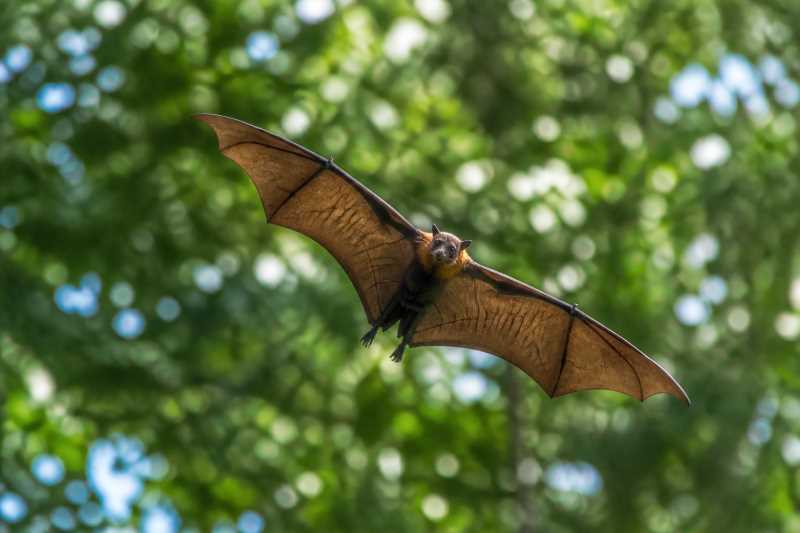
The Small Samoan Flying Fox is aptly named for its modest size in comparison to other flying fox species. It has a wingspan ranging between 65 to 85 centimeters and weighs approximately 300 to 500 grams. The fur of this species is typically a rich, chocolate-brown color, which is shorter on the back and longer around the neck, providing a mane-like appearance. The face of the Small Samoan Flying Fox is fox-like, with large, dark eyes and a relatively short snout, characteristic of the genus Pteropus. Its wings are leathery and membranous, allowing for agile flight and maneuverability.
Range and Habitat
The Small Samoan Flying Fox is endemic to the Samoan Islands, including both American Samoa and Independent Samoa. This species predominantly inhabits tropical rainforests, where it roosts in tall trees. These bats are also known to inhabit coastal areas and sometimes venture into agricultural lands. Their habitat preference is closely linked to the availability of fruiting trees, which are a primary food source.
The dense forests provide not only food but also shelter and protection from predators. These habitats, however, are increasingly under threat due to deforestation and land conversion for agriculture and urban development.
Behavior and Diet
The Small Samoan Flying Fox is primarily nocturnal, emerging at dusk to forage for food. Its diet consists mainly of fruits, nectar, and flowers, making it a vital pollinator and seed disperser within its ecosystem. The bats have a varied palate, feeding on native fruits such as figs and the fruits of the breadfruit and banana plants. Their foraging behavior plays a critical role in maintaining the health of tropical forests.
In terms of social behavior, Small Samoan Flying Foxes are known to roost in large colonies, which can number in the hundreds. These colonies offer protection and social interaction, which is crucial for their survival. Communication within colonies is facilitated through a series of vocalizations and body movements, helping maintain social bonds and coordinate foraging.
Identification Tips (field recognition cues)
Identifying the Small Samoan Flying Fox in the field requires keen observation and knowledge of specific traits. Here are some tips:
- Size and Wingspan: Unlike larger flying foxes, this species has a smaller wingspan of 65 to 85 centimeters.
- Fur Color: Look for the distinct chocolate-brown fur with a mane-like appearance around the neck.
- Roosting Habits: During the day, these bats can be seen roosting in large colonies in tall trees.
- Flight Pattern: Their flight is often steady and purposeful as they travel between feeding sites.
Conservation Status (with threats and protections)
The Small Samoan Flying Fox is currently classified as Vulnerable on the IUCN Red List. The primary threats to its survival include habitat destruction due to logging and agricultural expansion. Additionally, hunting for bushmeat and the illegal pet trade pose significant threats.
Conservation efforts are underway to protect this species. Key strategies include habitat preservation and restoration, legal protection from hunting, and community education programs to raise awareness about the ecological importance of flying foxes. International conservation organizations, alongside local governments, are working together to implement these measures effectively.
Frequently Asked Questions
How can you tell a Small Samoan Flying Fox from other bats?
The Small Samoan Flying Fox can be identified by its chocolate-brown fur, fox-like face, and a wingspan of 65 to 85 centimeters. It also roosts in large colonies, unlike many smaller bat species.
What role does the Small Samoan Flying Fox play in its ecosystem?
This species is a vital pollinator and seed disperser. By feeding on fruits and nectar, it helps in the regeneration of tropical forests, maintaining ecological balance.
What are the main threats to the Small Samoan Flying Fox?
The main threats include habitat destruction due to deforestation and agricultural expansion, hunting for bushmeat, and the illegal pet trade. Conservation efforts are crucial for its survival.
Are there any conservation programs for the Small Samoan Flying Fox?
Yes, various conservation initiatives focus on habitat protection, legal regulations against hunting, and educational programs to raise awareness of the species’ importance.
Why is it important to conserve the Small Samoan Flying Fox?
Conserving this species is essential because it maintains the health of tropical ecosystems through pollination and seed dispersal, supporting biodiversity and forest regeneration.
Related posts