Island Tube-nosed Fruit Bat (Nyctimene major)
Introduction
The Island Tube-nosed Fruit Bat, scientifically known as Nyctimene major, is a fascinating species of bat belonging to the family Pteropodidae, known for their unique tube-shaped nostrils and fruit-based diet. These bats are primarily found in tropical and subtropical forests, where they play a critical role in seed dispersal and pollination. As a member of the megabat family, the Island Tube-nosed Fruit Bat is closely related to flying foxes but distinguished by its distinctive nasal structures and smaller size.
Physical Description
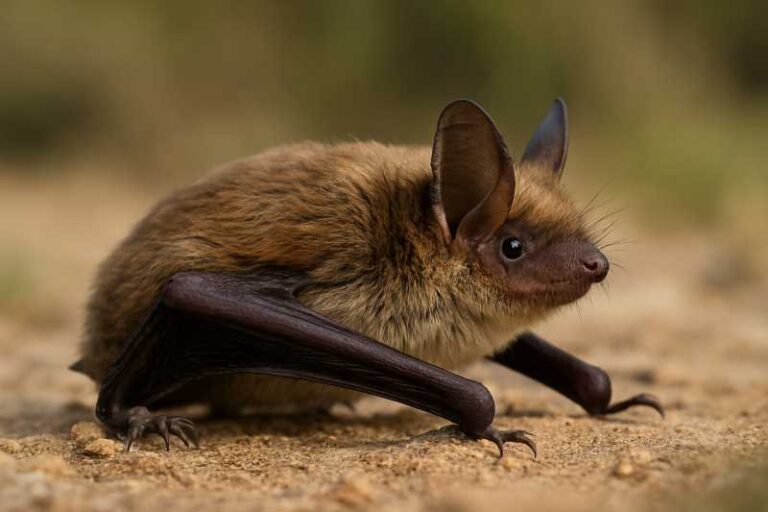
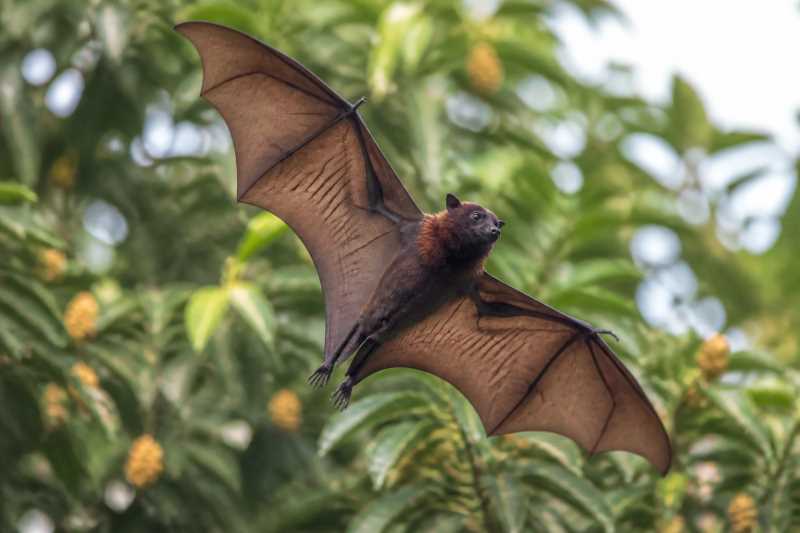
The Island Tube-nosed Fruit Bat exhibits unique physical characteristics that make it easily recognizable. These bats have a wingspan ranging from 30 to 40 centimeters, with a body length of approximately 10 to 14 centimeters. One of the most striking features of this species is its tube-shaped nostrils, which protrude from the face and are thought to enhance its olfactory capabilities, aiding in the location of ripe fruit. The fur of the Island Tube-nosed Fruit Bat is generally grey to brown, with a soft, dense texture that provides insulation and camouflage among the forest foliage.
Their eyes are relatively large compared to other bat species, which is typical of fruit bats, facilitating better vision in low-light conditions. The ears are medium-sized and rounded, providing excellent hearing capabilities. The wings are broad and leathery, allowing for agile flight among dense forest canopies. Unlike many other bats, the Island Tube-nosed Fruit Bat lacks a tail, a feature that is more common in fruit bats than in insectivorous bats.
Range and Habitat
The Island Tube-nosed Fruit Bat is predominantly found in the tropical and subtropical regions of the Indo-Pacific, specifically on islands such as New Guinea and surrounding archipelagos. They thrive in a variety of forested environments, including lowland rainforests, mangroves, and montane forests. These bats are highly adaptable, capable of living in both primary and secondary forests, although they show a preference for undisturbed habitats with abundant fruiting trees.
Their geographical distribution is restricted to islands, which plays a significant role in their ecological niche. The isolation of island habitats has led to unique evolutionary adaptations, including their specialized diet and reproductive strategies. These bats are known to roost in tree hollows, caves, and occasionally in man-made structures, preferring locations that offer protection from predators and harsh weather conditions.
Behavior and Diet
The Island Tube-nosed Fruit Bat is primarily nocturnal, becoming active at dusk when they leave their roosts to forage for food. Their diet consists mainly of a variety of fruits, nectar, and pollen, making them essential pollinators and seed dispersers in their ecosystems. They have been observed feeding on figs, bananas, and other native fruits, using their keen sense of smell and sight to locate food sources.
Social behavior in Island Tube-nosed Fruit Bats involves roosting in small groups, although solitary roosting has also been observed. Communication among these bats includes a range of vocalizations and scent marking, which are crucial for maintaining social structures and mating. During the breeding season, males are known to establish territories and exhibit courtship behaviors to attract females.
Identification Tips
Identifying the Island Tube-nosed Fruit Bat in the field requires attention to several key characteristics:
- Nasal Structure: Look for the distinctive tubular nostrils, which are unique to this species and are used to enhance their sense of smell.
- Size: Note the smaller size compared to flying foxes, with a wingspan of 30 to 40 centimeters.
- Fur Color: Observe the grey to brown fur, which helps in blending with the forest environment.
- Roosting Habits: These bats are often found roosting in tree hollows or caves during the day.
- Flight Pattern: Watch for the agile flight among trees, a common behavior when they are foraging for food at night.
Conservation Status
Currently, the Island Tube-nosed Fruit Bat is classified as Least Concern by the IUCN Red List, although specific populations may face threats that warrant closer monitoring. The primary threats to this species include habitat destruction due to logging and agricultural expansion, which reduce the availability of fruiting trees and suitable roosting sites.
Conservation efforts for the Island Tube-nosed Fruit Bat involve habitat protection and restoration, as well as public education to reduce human-wildlife conflict. Protected areas and national parks play a crucial role in preserving their natural habitats, while research into their ecology and behavior contributes to more effective conservation strategies.
Frequently Asked Questions
1. What does the Island Tube-nosed Fruit Bat eat?
The Island Tube-nosed Fruit Bat primarily feeds on a diverse range of fruits, nectar, and pollen, playing a vital role in seed dispersal and pollination.
2. Where can I find the Island Tube-nosed Fruit Bat?
This species is mainly found on islands in the Indo-Pacific region, particularly in the forests of New Guinea and surrounding areas.
3. How does the Island Tube-nosed Fruit Bat contribute to its ecosystem?
By consuming fruits and spreading seeds, the Island Tube-nosed Fruit Bat aids in forest regeneration and plant diversity, making it an essential ecological component.
4. Are Island Tube-nosed Fruit Bats endangered?
Currently, they are listed as Least Concern, but they face threats from habitat loss, necessitating ongoing conservation efforts.
5. How can we help protect the Island Tube-nosed Fruit Bat?
Supporting habitat conservation initiatives and promoting sustainable land-use practices can help protect this species and its environment.
Related posts