Introduction
The Short-palated Fruit Bat, scientifically known as Casinycteris argynnis, is a fascinating member of the family Pteropodidae, commonly referred to as Old World fruit bats. Known for their unique physical characteristics and specific habitat preferences, these bats play a crucial role in their ecosystems, primarily through pollination and seed dispersal. This article delves into the intriguing aspects of the Short-palated Fruit Bat, from its physical attributes to its conservation status.
Physical Description
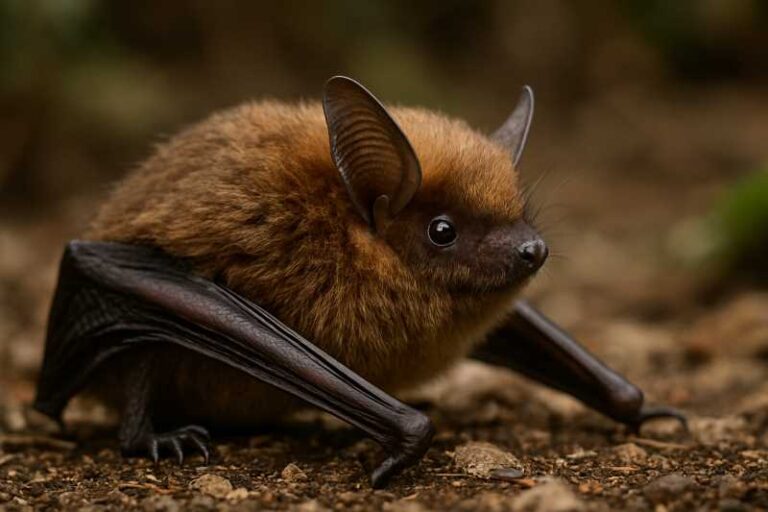
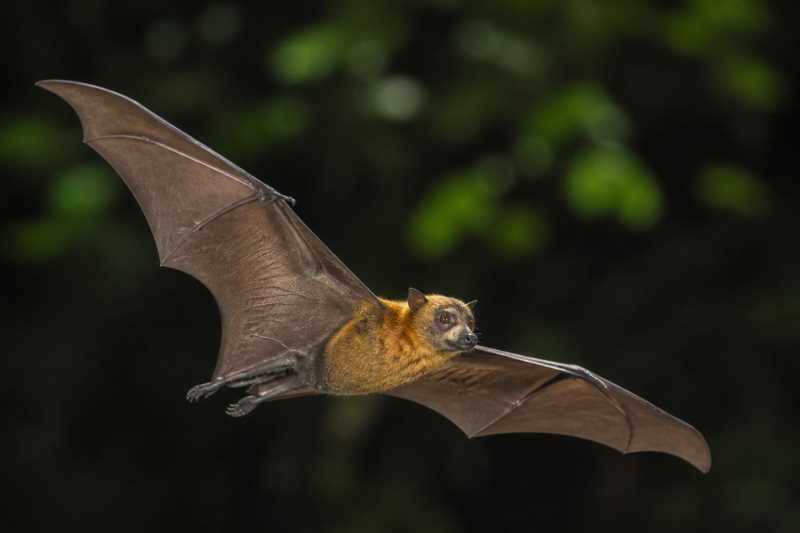
The Short-palated Fruit Bat is distinguished by its relatively small size compared to other fruit bats. It features a wingspan ranging from 40 to 50 centimeters, with a body length of approximately 10 to 14 centimeters. The bat’s fur is typically a mottled brown or gray, providing excellent camouflage in its forested habitat. One of the most distinctive features of Casinycteris argynnis is its short palate, which is an adaptation that aids in its specialized feeding habits.
The bat’s face is characterized by a blunt snout and large, forward-facing eyes, which are common traits among fruit bats, aiding in their nocturnal lifestyle. The ears are relatively small and rounded, contributing to its unique appearance. These bats possess strong and agile wings, allowing them to maneuver effortlessly through dense foliage as they forage for food.
Range and Habitat
Casinycteris argynnis is primarily found in the tropical regions of Central and West Africa. Its range extends across countries such as Nigeria, Cameroon, and the Democratic Republic of the Congo. The species prefers lowland tropical forests, often residing in areas with high humidity and dense vegetation.
These bats are highly dependent on intact forest ecosystems, where they can access a diverse array of fruiting plants. Unfortunately, deforestation and habitat fragmentation pose significant threats to their survival, as they are highly specialized in their habitat requirements.
Behavior and Diet
The Short-palated Fruit Bat is primarily frugivorous, feeding on a variety of fruits and occasionally flowers. Their diet plays a critical role in forest ecology, as they contribute to seed dispersal and pollination. These bats are most active during the night, using their keen sense of smell and eyesight to locate ripe fruits.
Socially, these bats tend to roost in small colonies, often in tree canopies or caves. Their social structure is not as complex as some other bat species, but they do exhibit some level of social interaction and communication, primarily through vocalizations and scent marking.
Identification Tips
For those interested in observing the Short-palated Fruit Bat in the wild, several field recognition cues can be useful:
- Size and Shape: Look for a medium-sized bat with a wingspan of 40–50 cm and a blunt snout.
- Coloration: Their fur is typically mottled brown or gray, providing camouflage against tree bark and foliage.
- Behavior: Observe their flight patterns; they are agile fliers and often seen foraging in dense forest canopies.
- Habitat: Focus on areas with dense vegetation in tropical lowland forests where these bats are likely to be found.
Conservation Status
The Short-palated Fruit Bat is currently listed as Near Threatened on the IUCN Red List. The primary threats to their survival include deforestation, habitat fragmentation, and hunting. Deforestation for agriculture, logging, and urban development has led to the loss of critical habitat for this species.
Efforts to protect the Short-palated Fruit Bat include establishing protected areas and promoting sustainable land-use practices. Conservation organizations are working to raise awareness about the importance of these bats in forest ecosystems and the need to preserve their habitats.
Frequently Asked Questions
1. What do Short-palated Fruit Bats eat?
Short-palated Fruit Bats primarily feed on a variety of fruits, using their keen sense of smell and eyesight to locate ripe produce. They occasionally consume flowers, contributing to pollination.
2. Where can I find Short-palated Fruit Bats?
These bats are found in the lowland tropical forests of Central and West Africa, including countries such as Nigeria, Cameroon, and the Democratic Republic of the Congo.
3. How are Short-palated Fruit Bats important to the ecosystem?
They play a crucial role in seed dispersal and pollination, aiding in the regeneration of forest ecosystems and maintaining biodiversity.
4. Why are Short-palated Fruit Bats threatened?
The primary threats include deforestation, habitat fragmentation, and hunting, leading to a decline in their population and habitat availability.
5. How can we help protect Short-palated Fruit Bats?
Supporting conservation efforts, promoting sustainable land-use practices, and raising awareness about their ecological importance can help protect these bats and their habitats.
Related posts