Introduction
Horsfield’s Short-nosed Fruit Bat, scientifically known as Cynopterus horsfieldii, is a fascinating and ecologically significant species belonging to the family Pteropodidae. Commonly found across various parts of Southeast Asia, these fruit bats play a vital role in their ecosystems as pollinators and seed dispersers. Their presence is crucial in maintaining the health of tropical forests, making them an essential species for biodiversity.
Bats are often misunderstood creatures, yet they constitute nearly 20% of all mammalian species. Horsfield’s Short-nosed Fruit Bat is one of the many species that contribute to this rich diversity. This article aims to shed light on the physical characteristics, behaviors, habitats, and the conservation status of this remarkable bat, providing a comprehensive overview for both enthusiasts and researchers.
Physical Description
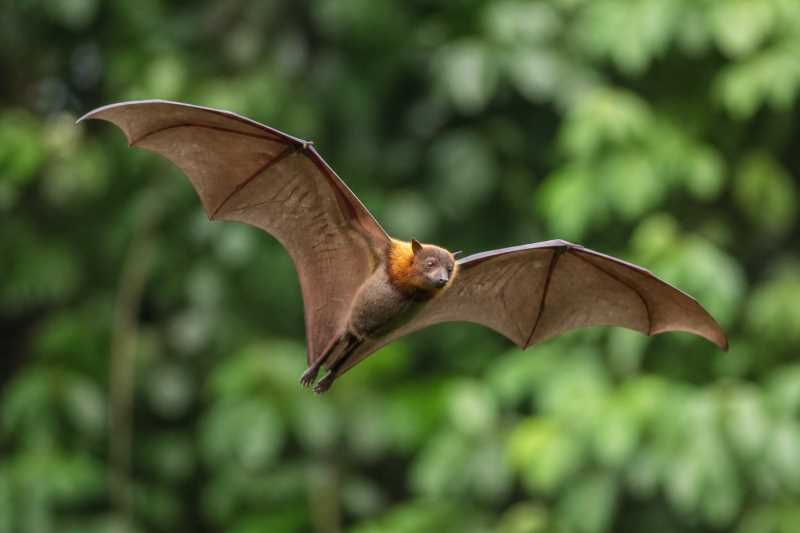
Horsfield’s Short-nosed Fruit Bat is named for its distinctive short snout, which sets it apart from many other fruit bat species. The average adult bat has a wingspan of approximately 40-50 cm (16-20 inches) and weighs between 30-40 grams. Their fur is generally greyish-brown, with a lighter underside, and they possess large, expressive eyes that aid in night-time navigation.
The bat’s short snout is well-adapted for its frugivorous diet, allowing it to feed efficiently on a variety of fruits. The ears are moderately large and rounded, lacking the tragus—a feature common in many other bat species. Its wings are long and narrow, providing excellent maneuverability in forested environments.
Range and Habitat
Cynopterus horsfieldii is widely distributed across Southeast Asia, including countries such as Malaysia, Indonesia, Thailand, and the Philippines. These bats prefer tropical and subtropical climates and are commonly found in lowland forests, mangroves, and sometimes in urban gardens and parks where fruit trees are abundant.
Their habitats are typically characterized by high humidity and abundant fruit resources. They are adaptable and can sometimes be found in disturbed habitats, although they prefer undisturbed primary and secondary forests where food sources are plentiful.
Behavior and Diet
Horsfield’s Short-nosed Fruit Bat is primarily nocturnal, beginning its foraging activities at dusk and returning to roosts before dawn. They are social creatures, often found roosting in large colonies that provide safety in numbers. These roosts can be located in tree hollows, caves, or man-made structures.
The diet of Cynopterus horsfieldii consists mainly of fruits such as figs, bananas, and mangoes. They are also known to consume nectar and flowers, contributing to the pollination of various plant species. Their feeding habits make them important agents of seed dispersal, aiding in forest regeneration and plant diversity.
Identification Tips (field recognition cues)
Identifying Horsfield’s Short-nosed Fruit Bat in the field can be achieved by noting several key features:
- Snout: Look for the characteristic short snout which differentiates it from other fruit bats.
- Fur Color: Observe the greyish-brown fur with a lighter underside.
- Wingspan: Note the wingspan, which is around 40-50 cm.
- Behavior: They are typically active during dusk and dawn, often seen in large groups.
- Roosting sites: Check for colonies in tree hollows or caves within tropical forests.
Conservation Status (with threats and protections)
Horsfield’s Short-nosed Fruit Bat is currently classified as Least Concern on the IUCN Red List. However, like many bat species, it faces several threats that could impact its population in the future.
Threats:
- Habitat Loss: Deforestation for agriculture and urban development is the primary threat.
- Hunting: In some regions, they are hunted for food, impacting local populations.
- Pesticides: Use of pesticides in agriculture can poison food sources.
Protections:
Conservation efforts include habitat protection through the establishment of national parks and wildlife reserves. There are also local and international laws in place to curb hunting and protect their habitats. Conservationists emphasize the importance of public education on the ecological role of bats to reduce fear and misinformation.
Frequently Asked Questions
- What is the primary diet of Horsfield’s Short-nosed Fruit Bat?
Horsfield’s Short-nosed Fruit Bat primarily feeds on a variety of fruits, including figs, bananas, and mangoes, and also consumes nectar and flowers.
- Where can I find Horsfield’s Short-nosed Fruit Bat?
These bats are commonly found in Southeast Asia, inhabiting lowland forests, mangroves, and sometimes urban areas with abundant fruit trees.
- How does Horsfield’s Short-nosed Fruit Bat contribute to the ecosystem?
They play a crucial role in pollination and seed dispersal, aiding in the regeneration and maintenance of tropical forest ecosystems.
- Are Horsfield’s Short-nosed Fruit Bats endangered?
Currently, they are classified as Least Concern, but are threatened by habitat loss, hunting, and pesticide use.
- How can I help in the conservation of these bats?
Support conservation efforts by advocating for habitat protection, reducing pesticide use, and spreading awareness about the importance of bats in ecosystems.
Related posts