Introduction
The Red Myotis (Myotis ruber) is a fascinating and elusive species of bat that inhabits the rich and diverse ecosystems of South America. Known for its striking appearance and unique ecological role, the Red Myotis contributes significantly to the health of its environment by aiding in insect population control. Despite its name, the Red Myotis is not as well-known as some of its bat relatives, yet it holds great importance within the mammalian hierarchy due to its ecological contributions and distinctive features.
Understanding the characteristics and behaviors of the Red Myotis not only enriches our knowledge of biodiversity but also highlights the need for conservation efforts to protect this species and its habitat. In this article, we will delve into the various aspects of the Red Myotis, from its physical description to its habitat, behavior, and conservation status, providing a comprehensive overview of this remarkable mammal.
Physical Description
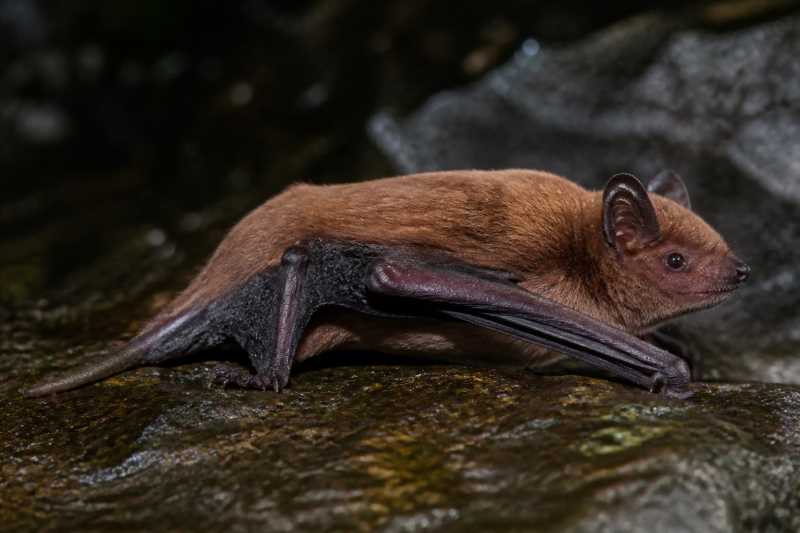
The Red Myotis is a member of the Vespertilionidae family, commonly known as the vesper bats. As its name suggests, the Red Myotis is characterized by its reddish-brown fur, which distinguishes it from other Myotis species. This coloration can vary slightly among individuals, ranging from a light cinnamon hue to a deeper, more robust red.
The Red Myotis is a small bat, with an average wingspan ranging between 25 to 30 centimeters, and a body length of about 4 to 5 centimeters. It typically weighs between 6 to 10 grams, making it a lightweight, agile flyer capable of intricate maneuvers during flight.
Its facial features include a short, broad muzzle and relatively large ears that aid in echolocation, a critical aspect of its navigation and hunting strategy. The Red Myotis’s wings are long and narrow, designed for sustained flight, allowing it to cover significant distances in search of food and suitable roosting sites.
Range and Habitat
The Red Myotis is predominantly found in South America, with its range extending across countries such as Brazil, Argentina, Bolivia, and Paraguay. This species thrives in a variety of habitats, including tropical and subtropical forests, savannas, and shrublands. It exhibits a preference for regions with abundant tree cover, which provides ample roosting opportunities and a rich supply of insects, its primary food source.
Within these environments, the Red Myotis can often be found roosting in tree cavities, under bark, or in dense foliage. It has also been known to take refuge in man-made structures, such as abandoned buildings, where it can find shelter from predators and harsh weather conditions.
Behavior and Diet
Red Myotis bats are nocturnal creatures, embarking on foraging expeditions under the cover of darkness. They use echolocation to navigate and locate prey, emitting high-frequency sound waves that bounce off objects and return as echoes, providing the bat with a detailed sonic map of its surroundings.
Their diet primarily consists of insects, including moths, beetles, and flies, which they catch in mid-air using their agile flight capabilities. The Red Myotis plays a crucial role in controlling insect populations, making it an important component of its ecosystem.
During the day, the Red Myotis remains inactive, resting in its roost to conserve energy and avoid diurnal predators. Socially, these bats are known to form small colonies, which provide warmth and protection through communal roosting.
Identification Tips
Identifying the Red Myotis in the field can be challenging due to its small size and nocturnal habits. However, there are several key features that can aid in recognition:
- Coloration: Look for the distinctive reddish-brown fur, which is a prominent characteristic of this species.
- Size and Shape: Note the small body size and long, narrow wings, which are typical of Myotis bats.
- Behavior: Observe its flight pattern. The Red Myotis is known for its agile and acrobatic maneuvers while hunting insects at night.
- Habitat: Consider the environment. This species is likely to be found in forested areas with abundant tree cover.
- Echolocation: Use bat detectors to pick up their high-frequency calls, which can help confirm their presence in a given area.
Conservation Status
The conservation status of the Red Myotis is currently listed as "Least Concern" by the International Union for Conservation of Nature (IUCN). However, like many bat species, it faces several threats that could impact its populations in the future.
Threats
- Habitat Loss: Deforestation and land conversion for agriculture and urban development pose significant threats to the Red Myotis, as these activities reduce available roosting and foraging habitats.
- Pesticide Use: The widespread use of pesticides in agriculture can reduce insect populations, thus diminishing the food supply for insectivorous bats like the Red Myotis.
- Climate Change: Changes in climate patterns can alter habitat conditions and food availability, potentially affecting bat populations.
Protections
Efforts to conserve the Red Myotis include:
- Habitat Protection: Establishing protected areas and promoting sustainable land-use practices can help preserve essential habitats.
- Research and Monitoring: Continued research and monitoring of bat populations can provide valuable data to inform conservation strategies.
- Public Awareness: Educating the public about the ecological role of bats and the threats they face can foster support for conservation initiatives.
Frequently Asked Questions
1. What is the primary diet of the Red Myotis?
The Red Myotis primarily feeds on insects, including moths, beetles, and flies. It uses echolocation to locate and capture its prey in flight.
2. Where can the Red Myotis be found?
The Red Myotis is found in South America, particularly in countries like Brazil, Argentina, Bolivia, and Paraguay. It inhabits tropical and subtropical forests, savannas, and shrublands.
3. How does the Red Myotis contribute to its ecosystem?
As an insectivorous bat, the Red Myotis helps control insect populations, which can prevent crop damage and reduce the spread of insect-borne diseases, contributing to a balanced ecosystem.
4. What are the main threats to the Red Myotis?
The main threats include habitat loss due to deforestation, pesticide use that reduces insect prey, and climate change affecting habitat conditions.
5. Are there any conservation efforts in place for the Red Myotis?
Yes, conservation efforts include habitat protection, research and monitoring, and public awareness campaigns to promote the importance of bat conservation.
Related posts