Introduction
Baker’s Myotis (Myotis bakeri) is a fascinating bat species belonging to the Vespertilionidae family, commonly known as the evening bats or vesper bats. This species is named in honor of the renowned zoologist Baker, who made significant contributions to the study of Chiroptera. As a relatively lesser-known species, Baker’s Myotis has piqued the interest of mammalogists and conservationists alike, primarily due to its unique ecological niche and the specific environmental conditions it requires. This article aims to shed light on various aspects of Myotis bakeri, from its physical characteristics to its behavioral patterns, habitat preferences, and conservation needs.
Physical Description
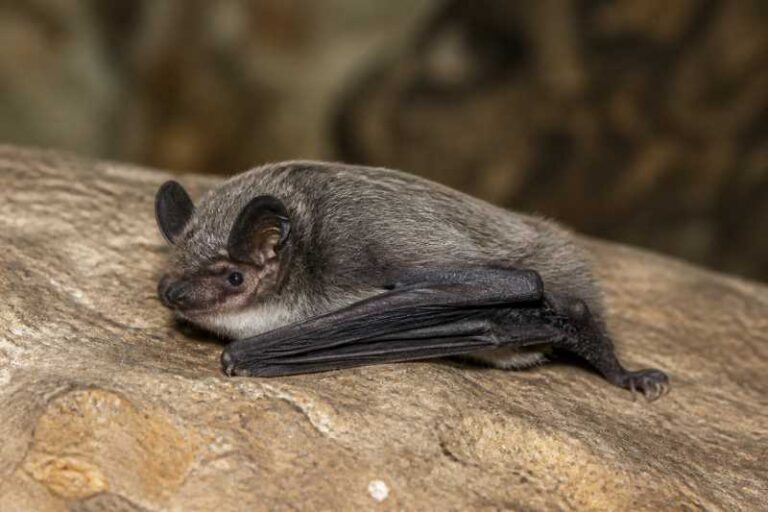
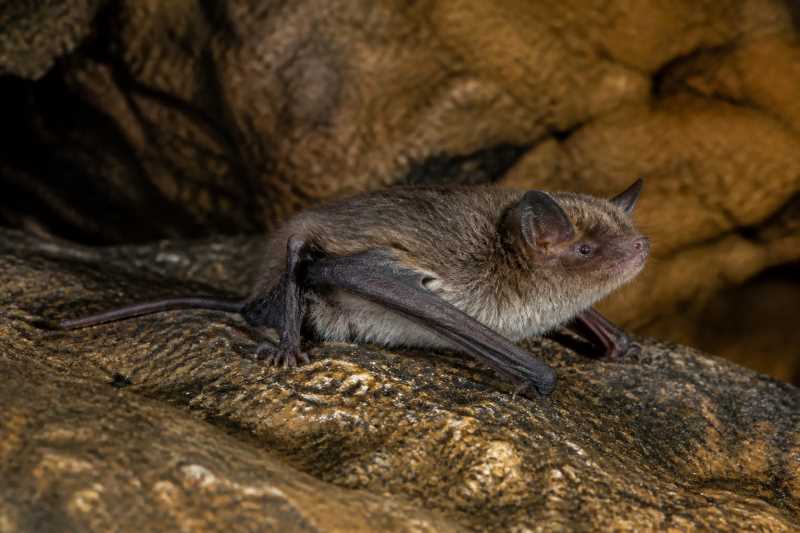
Baker’s Myotis is a small bat species, characterized by its distinct morphological features that set it apart from other members of the Myotis genus. Adults typically weigh between 4 to 8 grams and have a forearm length of about 34 to 39 millimeters. Their wingspan ranges from 240 to 275 millimeters, allowing them agile flight capabilities.
The fur of Baker’s Myotis is generally dark brown on the dorsal side, with a slightly lighter, buff-colored ventral side. This coloration provides effective camouflage when roosting. The ears are moderately long and pointed, with a tragus that is slender and curved inward, which aids in echolocation. One distinguishing feature of this species is the presence of a keeled calcar, a spur of cartilage that projects from the ankle and supports the tail membrane, giving them a distinctive tail shape.
Range and Habitat
Baker’s Myotis is primarily found in the subtropical and tropical regions of Central and South America. Their range extends from southern Mexico through parts of Central America, including Belize, Honduras, and Nicaragua. They are also found in certain regions of northern South America.
These bats are highly adaptable and can inhabit a variety of environments, although they show a preference for moist, forested areas. They are commonly found in lowland tropical rainforests, montane forests, and occasionally in dry deciduous forests. Roosting sites are typically located in tree hollows, caves, and man-made structures, providing them with the necessary shelter from predators and adverse weather conditions.
Behavior and Diet
Baker’s Myotis is primarily nocturnal, with peak activity occurring shortly after sunset. They are known for their agile flight patterns, which facilitate efficient foraging in cluttered environments such as dense forests. Their flight is characterized by rapid, zigzag movements as they navigate through trees and vegetation.
The diet of Baker’s Myotis is primarily insectivorous, consisting mainly of small insects such as moths, beetles, and flies. They employ echolocation to detect and capture prey, emitting high-frequency calls that bounce off objects and return to their sensitive ears. This sophisticated hunting technique allows them to locate prey in complete darkness with remarkable precision.
Identification Tips (Field Recognition Cues)
Identifying Baker’s Myotis in the field requires attention to specific characteristics:
- Size and Shape: Look for a small bat with a wingspan of approximately 240 to 275 millimeters and a forearm length of 34 to 39 millimeters.
- Coloration: Note the dark brown dorsal fur and lighter ventral side, which can help distinguish it from other Myotis species.
- Ears and Tragus: Observe the moderately long, pointed ears and the slender, inward-curving tragus.
- Calcar: The presence of a keeled calcar is a key identifying feature.
- Behavior: Watch for agile, zigzag flight patterns indicative of Myotis bakeri during foraging.
Conservation Status (With Threats and Protections)
The conservation status of Baker’s Myotis is currently listed as "Data Deficient" by the International Union for Conservation of Nature (IUCN). This classification highlights the need for further research to accurately assess population trends and threats.
Threats:
- Habitat Loss: Deforestation for agriculture, logging, and urban development poses a significant threat to their natural habitats.
- Climate Change: Alterations in climate can impact the availability of suitable roosting and foraging sites.
- Pesticide Use: Insect population declines due to pesticide use can reduce food availability for these insectivorous bats.
Protections:
- Protected Areas: Establishing and maintaining protected reserves can help preserve critical habitats.
- Research and Monitoring: Increased research efforts are needed to gather data on population dynamics and habitat use.
- Public Awareness: Educating local communities about the ecological importance of bats can foster conservation efforts.
Frequently Asked Questions
- What do Baker’s Myotis bats eat?
Baker’s Myotis bats primarily feed on insects, including moths, beetles, and flies. They use echolocation to hunt and capture prey efficiently in the dark.
- Where can I find Baker’s Myotis in the wild?
Baker’s Myotis can be found in subtropical and tropical regions of Central and South America, inhabiting moist forests, montane forests, and sometimes dry forests.
- How can I identify a Baker’s Myotis bat?
Look for a small bat with dark brown dorsal fur, light ventral fur, long pointed ears, a keeled calcar, and a wingspan of 240 to 275 millimeters.
- Why is Baker’s Myotis considered "Data Deficient"?
The "Data Deficient" status indicates a lack of adequate data on population size, distribution, and trends, making it difficult to assess their conservation status accurately.
- What are the main threats to Baker’s Myotis populations?
The primary threats include habitat loss due to deforestation, climate change, and reduced insect populations caused by pesticide use.
Related posts