Introduction
Smith’s Woolly Bat, scientifically known as Kerivoula smithii, is a fascinating mammal species that piques the interest of bat enthusiasts and researchers alike. Recognized for its unique physical characteristics and elusive nature, this species is an integral part of the biodiversity within its natural habitat. Bats, in general, play a crucial role in various ecosystems, and Smith’s Woolly Bat is no exception. This article delves into the various aspects of this intriguing species, including its physical description, range, habitat, behavior, diet, and conservation status.
Physical Description
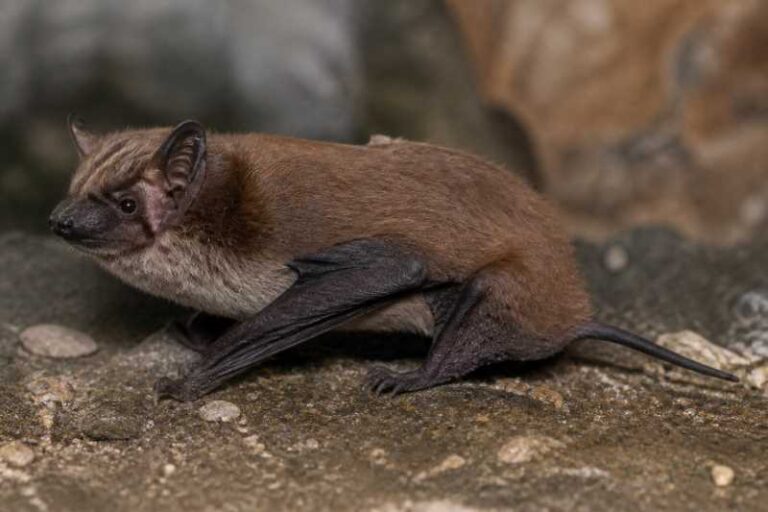
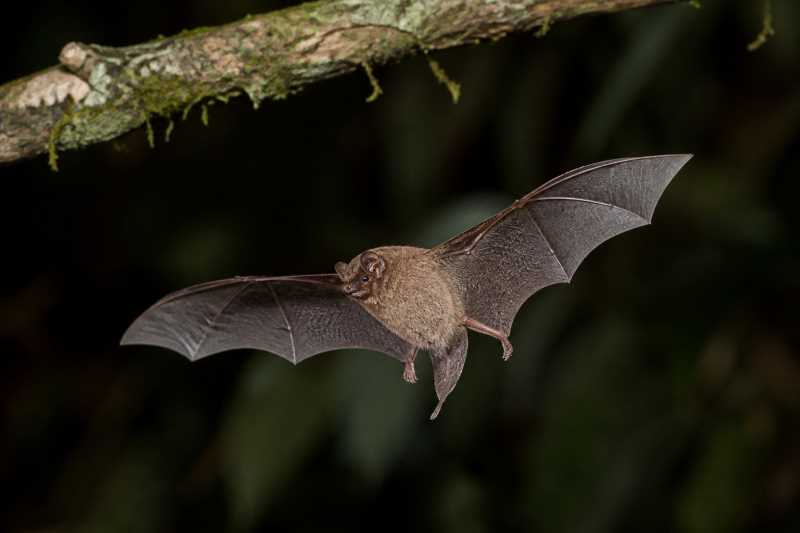
Smith’s Woolly Bat is distinguished by its small size and delicate build, typical of the Kerivoula genus. The species is noted for its soft, dense fur, which gives it a "woolly" appearance, hence the name. The coloration of its fur ranges from a deep brown to a lighter, almost golden hue, aiding in camouflage within its natural surroundings. Its wings are long and narrow, adapted for agile, acrobatic flight through dense vegetation.
The bat’s facial features are characterized by a short, broad muzzle and large, round ears that are well-suited for echolocation, an essential tool for navigation and hunting in the dark. Its eyes are relatively small, as with many bat species, reflecting a reliance on sound rather than sight for movement and hunting. Smith’s Woolly Bat typically measures between 5 to 7 centimeters in body length, with a wingspan ranging from 20 to 25 centimeters, making it a small but agile flyer.
Range and Habitat
Smith’s Woolly Bat is found predominantly in tropical and subtropical regions, often inhabiting dense forest ecosystems. This species has been recorded across parts of Southeast Asia, with notable populations in countries such as Thailand, Malaysia, and Indonesia. The bat favors habitats that provide ample roosting opportunities, such as hollow trees, caves, and even man-made structures in rural areas.
These bats are highly adaptive, capable of thriving in both primary and secondary forests. However, they show a preference for undisturbed, mature forests where they can find ample food sources and suitable roosting sites. The preservation of these habitats is crucial for the survival of Smith’s Woolly Bat, as deforestation and land conversion continue to threaten their natural environments.
Behavior and Diet
Smith’s Woolly Bat is primarily nocturnal, emerging at dusk to forage for food. Its diet mainly consists of insects, which it catches mid-flight using its acute echolocation abilities. The bat’s flight is characterized by swift, agile maneuvers as it navigates through dense foliage and around obstacles in pursuit of prey.
Socially, Smith’s Woolly Bats can be found roosting in small groups, although some individuals prefer solitary roosts. Their social structure and communication methods remain a subject of research, as these bats are elusive and often difficult to study in their natural habitats.
Identification Tips (Field Recognition Cues)
Identifying Smith’s Woolly Bat in the field requires a keen eye and knowledge of specific cues. Observers should look for its distinct woolly fur and the characteristic flight patterns common to the Kerivoula genus. Listening for its echolocation calls, which are typically high-pitched and rapid, can also aid in identification.
When observing these bats during the day, look for roosting sites in hollow trees or under leaves. In-flight, their small size and erratic, agile movements are distinguishing features, setting them apart from larger, more robust bat species in the same regions.
Conservation Status (with Threats and Protections)
Currently, Smith’s Woolly Bat is listed as a species of Least Concern by the International Union for Conservation of Nature (IUCN). However, this status does not imply that the species is free from threats. The primary threat to Smith’s Woolly Bat is habitat loss due to deforestation and agricultural expansion. Logging and land development reduce the availability of suitable roosting and foraging habitats, posing a significant risk to their populations.
Conservation efforts are focused on habitat protection and restoration. Preserving mature forest ecosystems and promoting sustainable land-use practices are crucial for maintaining the bat’s natural environment. Additionally, research initiatives aimed at better understanding the species’ ecology and behavior are vital for informing conservation strategies.
Frequently Asked Questions
What are the main threats to Smith’s Woolly Bat?
The main threats to Smith’s Woolly Bat include habitat loss due to deforestation and agricultural expansion. These activities lead to the destruction of roosting and foraging habitats, which are essential for the survival of the species.
How can you identify Smith’s Woolly Bat in the wild?
Smith’s Woolly Bat can be identified by its small size, woolly fur, and agile flight patterns. Observers can listen for their high-pitched echolocation calls and look for them roosting in hollow trees or under leaves during the day.
What is the diet of Smith’s Woolly Bat?
Smith’s Woolly Bat primarily feeds on insects, which it captures mid-flight using its echolocation abilities. The bat’s diet consists of various insect species, contributing to its role in controlling pest populations in its habitat.
Where is Smith’s Woolly Bat commonly found?
Smith’s Woolly Bat is commonly found in tropical and subtropical forest regions across Southeast Asia, including Thailand, Malaysia, and Indonesia. They prefer undisturbed forest habitats but can adapt to secondary growth areas.
What conservation measures are in place for Smith’s Woolly Bat?
Conservation measures for Smith’s Woolly Bat include habitat protection and restoration efforts. Initiatives focus on preserving mature forests and promoting sustainable land-use practices to ensure the species’ continued survival.
Related posts