Introduction
The Honduran Broad-clawed Shrew, scientifically known as Cryptotis magnimanus, is a small mammal belonging to the Soricidae family. This intriguing species is part of the diverse group of New World shrews found primarily in Central America. Despite its small size, the Honduran Broad-clawed Shrew plays a significant role in the ecosystem by controlling insect populations. This article delves into the various aspects of this elusive mammal, including its physical characteristics, habitat, behavior, and conservation status.
Physical Description
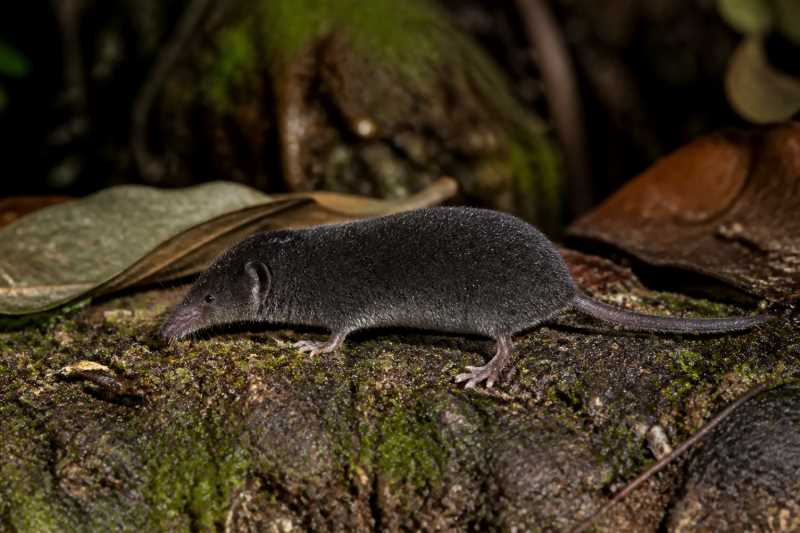
The Honduran Broad-clawed Shrew is characterized by its compact body, which typically measures between 7 to 12 centimeters in length, excluding the tail. The tail itself is relatively short, accounting for about 30% of the total body length. As its name suggests, this species is distinguished by its broad foreclaws, which are adapted for digging and foraging.
The fur of the Honduran Broad-clawed Shrew is dense and velvety, offering protection against the harsh elements of its habitat. The coloration is generally a muted brown or gray, providing effective camouflage against the forest floor. The shrew’s small eyes and ears are adapted to its subterranean lifestyle, with acute senses of smell and hearing compensating for its limited vision.
Range and Habitat
The geographical range of the Honduran Broad-clawed Shrew is restricted primarily to the highland regions of Honduras. These areas include montane forests where the climate is cool and humid. The shrew’s habitat is characterized by dense undergrowth, fallen leaves, and a rich layer of soil that supports its burrowing activity.
These environments are often threatened by human activities such as deforestation and land conversion for agriculture. Consequently, the shrew’s habitat is becoming increasingly fragmented, which poses a significant challenge for the species’ survival.
Behavior and Diet
The Honduran Broad-clawed Shrew is a solitary and nocturnal creature, primarily active during the night. Its behavior is largely driven by its need to maintain a high metabolic rate, which necessitates frequent feeding. The diet of this shrew mainly consists of insects, earthworms, and other small invertebrates. It uses its broad claws to dig into the soil and leaf litter to uncover its prey.
The shrew is known for its rapid movements and high energy levels, traits that are essential for capturing prey and avoiding predators. Despite its aggressive foraging behavior, the Honduran Broad-clawed Shrew has a relatively short lifespan, typically ranging from one to two years in the wild.
Identification Tips
Identifying the Honduran Broad-clawed Shrew in the field can be challenging due to its elusive nature and the dense environments it inhabits. However, there are several key characteristics to look for:
- Size and Shape: Look for a small mammal with a compact body and a short tail.
- Claws: Note the broad foreclaws, which are a distinctive feature of this species.
- Fur: Observe the dense, brownish-gray fur that blends with the forest floor.
- Behavior: Watch for rapid, jerky movements and nocturnal activity patterns.
Conservation Status
The conservation status of the Honduran Broad-clawed Shrew is currently not well-documented, but it is believed to face threats similar to those of other shrew species in the region. Habitat loss due to deforestation and agricultural expansion is the primary threat to this species.
Efforts to protect the Honduran Broad-clawed Shrew include establishing protected areas and promoting sustainable land-use practices. Conservationists emphasize the importance of preserving montane forests to ensure the survival of this and other endemic species.
Frequently Asked Questions
1. What is the primary diet of the Honduran Broad-clawed Shrew?
The primary diet of the Honduran Broad-clawed Shrew consists of insects, earthworms, and other small invertebrates. Its broad claws are specially adapted for digging and foraging in the forest floor.
2. Where can the Honduran Broad-clawed Shrew be found?
This species is predominantly found in the highland regions of Honduras, specifically in montane forests where the climate is cool and humid.
3. What are the main threats to the Honduran Broad-clawed Shrew?
The main threats include habitat loss due to deforestation and agricultural expansion. Conservation efforts focus on habitat protection and sustainable land-use practices.
4. How can I identify a Honduran Broad-clawed Shrew in the wild?
Key identification features include its small size, broad foreclaws, dense brownish-gray fur, and nocturnal, rapid movements.
5. Why is the Honduran Broad-clawed Shrew important to the ecosystem?
The shrew plays a vital role in controlling insect populations, thus contributing to the ecological balance of its habitat.
Related posts