Introduction
The Small-toothed Forest Hedgehog, known scientifically as Mesechinus miodon, is a unique and intriguing mammal species that captivates both researchers and nature enthusiasts alike. This lesser-known hedgehog species is part of the Erinaceidae family and is primarily found in specific regions of Asia. Renowned for its distinct physical characteristics and ecological significance, the Small-toothed Forest Hedgehog plays a vital role in its native habitat. In this article, we will explore various aspects of this fascinating creature, including its physical description, habitat, behavior, and conservation status.
Physical Description
The Small-toothed Forest Hedgehog, as its name suggests, is characterized by its relatively small dentition compared to other hedgehog species. Adult individuals typically measure about 18 to 25 centimeters in length, with a short tail adding an additional 1 to 3 centimeters. They weigh between 300 to 600 grams, making them moderately sized among hedgehogs.
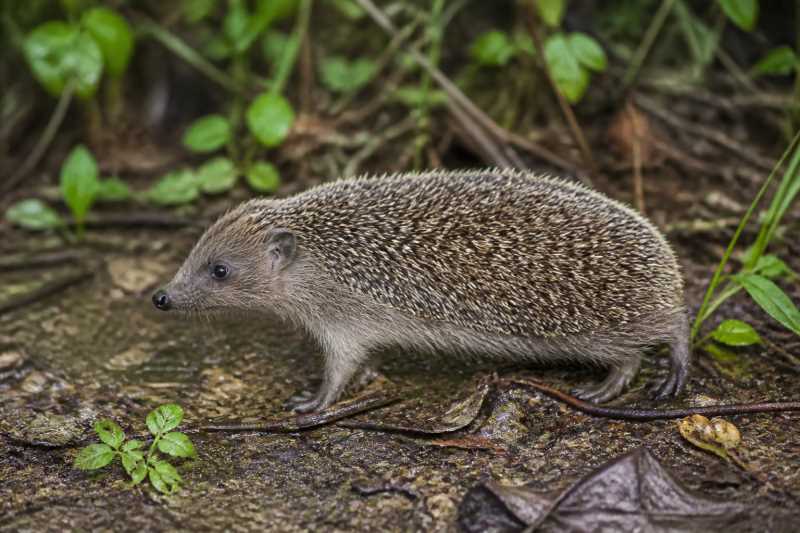
Their spines are the most distinctive feature, providing a protective barrier against predators. These spines are usually brown or gray with lighter tips, offering camouflage within their forested environment. The underbelly is covered with softer, white or pale gray fur, which is rarely visible unless the animal rolls into a defensive ball.
The Small-toothed Forest Hedgehog possesses a pointed snout and small, round ears. Their eyes are adapted for nocturnal activities, being relatively large to enhance night vision. The small teeth, which give this species its name, are adapted for their specific diet and feeding habits.
Range and Habitat
The geographical range of the Small-toothed Forest Hedgehog is limited to certain parts of Asia, particularly in regions of China and possibly extending into neighboring countries. They inhabit deciduous and mixed forests, thriving in environments that provide ample cover and foraging opportunities.
These hedgehogs prefer habitats with dense undergrowth and a plentiful supply of insects and other small invertebrates. They are often found in areas with fallen logs, leaf litter, and natural debris, which offer both food and protection. The forest floor provides an ideal setting for their burrowing and nesting behaviors.
Behavior and Diet
Small-toothed Forest Hedgehogs are primarily nocturnal creatures, spending their nights foraging for food and their days resting in burrows or under dense vegetation. They are solitary animals, with interactions between individuals mainly occurring during the breeding season.
Their diet is predominantly insectivorous, consisting of beetles, caterpillars, and other forest floor invertebrates. They are also known to consume small vertebrates, fruits, and plant matter when available. Their small teeth are particularly suited for grasping and consuming their prey.
These hedgehogs are adept diggers, using their strong claws to excavate soil and leaf litter in search of food or to create burrows. Their burrows serve as both a resting place and a refuge from predators.
Identification Tips (Field Recognition Cues)
Identifying the Small-toothed Forest Hedgehog in the field involves several key characteristics:
- Size and Shape: Look for a small to medium-sized hedgehog with a compact body and short tail.
- Spines: Observe the coloration of the spines, which are typically brown or gray with lighter tips.
- Facial Features: Note the pointed snout and relatively small eyes, adapted for nocturnal activity.
- Habitat: Consider the environment; the presence of dense forest undergrowth is a good indicator.
- Behavior: Watch for nocturnal activity patterns and solitary behavior, as these hedgehogs are rarely seen in groups.
Conservation Status (with Threats and Protections)
The conservation status of the Small-toothed Forest Hedgehog is currently not well-documented, primarily due to its elusive nature and limited range. However, like many forest-dwelling species, it faces several threats that could impact its population.
Threats:
- Habitat Loss: Deforestation and land conversion for agriculture or development pose significant threats to their natural habitat.
- Pollution: Pesticides and environmental pollutants can reduce their food sources and degrade their living conditions.
- Climate Change: Alterations in temperature and precipitation patterns may affect their habitat and food availability.
Protections: Efforts to conserve forest habitats are crucial for the survival of this species. Protected areas and national parks that encompass their range can provide a refuge from human activities. Additionally, research and monitoring programs can help gather data to inform conservation strategies.
Frequently Asked Questions
What is the primary diet of the Small-toothed Forest Hedgehog?
The Small-toothed Forest Hedgehog primarily feeds on insects, such as beetles and caterpillars. It may also consume small vertebrates, fruits, and plant matter.
Where can the Small-toothed Forest Hedgehog be found?
This species is predominantly found in deciduous and mixed forests in parts of Asia, particularly in China. They prefer habitats with dense undergrowth and ample insect populations.
How does the Small-toothed Forest Hedgehog protect itself from predators?
The hedgehog’s spines serve as a primary defense mechanism. When threatened, it can roll into a tight ball, with the spines facing outward to deter predators.
What are the main threats to the Small-toothed Forest Hedgehog?
The main threats include habitat loss due to deforestation, pollution affecting their food sources, and climate change impacting their natural environment.
Are Small-toothed Forest Hedgehogs social animals?
No, they are solitary creatures, with interactions mainly occurring during the breeding season. They spend most of their time alone, foraging or resting in burrows.
Related posts