Introduction
The Forest Giant Pouched Rat, scientifically known as Cricetomys emini, is a remarkable rodent species native to the forests of Africa. Renowned for its impressive size and unique behaviors, this species plays a crucial role in its ecosystem. Despite often being overshadowed by its more famous cousin, the Gambian pouched rat, the Forest Giant Pouched Rat has its own distinct characteristics that make it a subject of interest for researchers and conservationists alike.
Physical Description
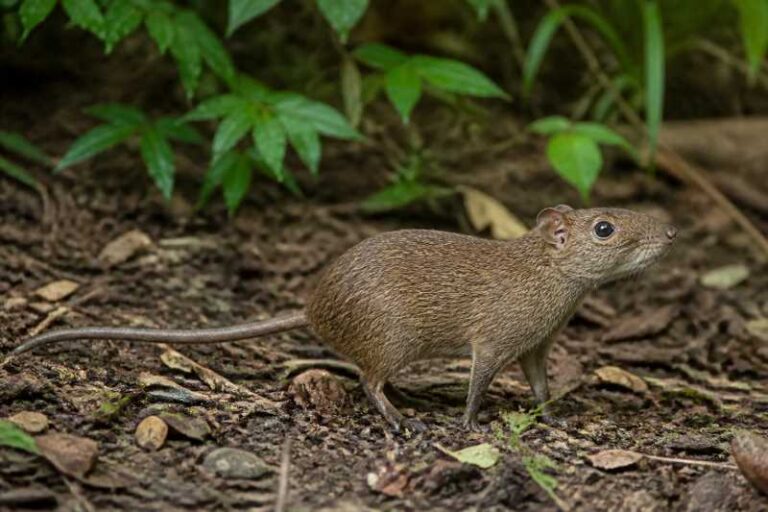
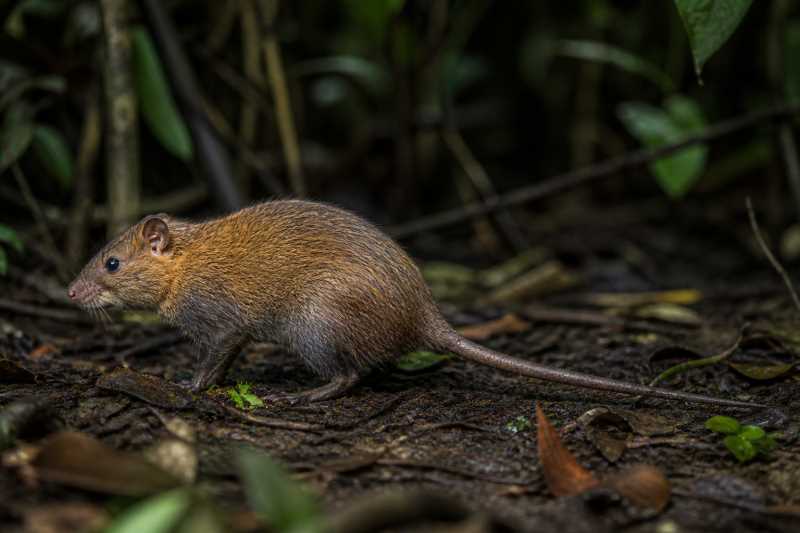
The Forest Giant Pouched Rat is one of the largest rodents in Africa, with adults typically measuring between 25 to 35 centimeters in body length, not including the tail, which can add an additional 30 to 45 centimeters. They can weigh up to 1.5 kilograms, making them substantial compared to many other rat species.
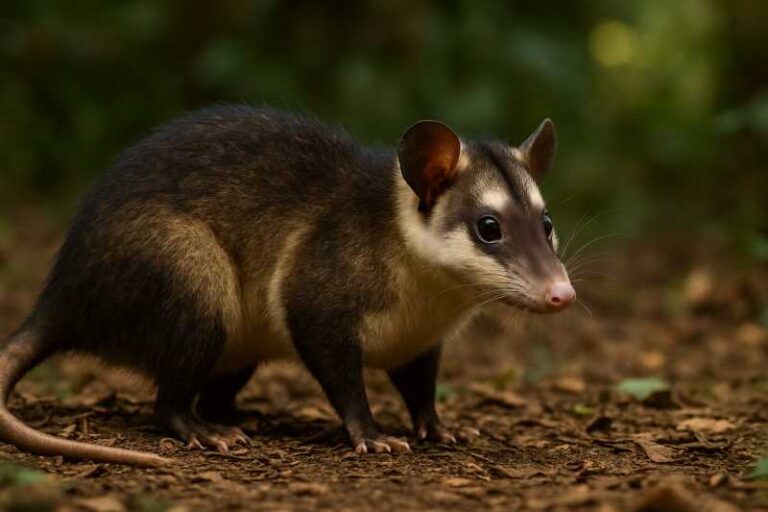
Their fur is short and dense, usually displaying a mix of gray and brown hues, which provides excellent camouflage in their forested habitats. A distinctive feature of this species is its large cheek pouches, which it uses to store food while foraging. These pouches can expand significantly, allowing the rodent to transport large quantities of food back to its nest.
Range and Habitat
Cricetomys emini is predominantly found in the tropical forests of Central and West Africa. Their range extends across countries such as the Democratic Republic of the Congo, Cameroon, and Uganda. These rats thrive in dense forest environments where they can easily find food and shelter.
They are highly adaptable creatures that can also inhabit secondary forests, agricultural areas, and sometimes even urban settings, provided there is enough cover and food resources available. The availability of water and food sources significantly influences their habitat choice.
Behavior and Diet
Primarily nocturnal, the Forest Giant Pouched Rat spends its nights foraging for food. Its diet is omnivorous, consisting of fruits, seeds, insects, and small invertebrates. This varied diet helps the species adapt to different environmental conditions and availability of resources.
A notable behavior of this species is its use of cheek pouches to transport food. They can carry multiple items back to their burrows, which they often build underground or in hollow trees. This habit of storing food is particularly beneficial in environments where food availability can be unpredictable.
Socially, Forest Giant Pouched Rats are generally solitary, coming together only for mating. They communicate using a series of vocalizations and scent markings, which play a crucial role in territory establishment and mating.
Identification Tips (Field Recognition Cues)
Identifying a Forest Giant Pouched Rat in the wild can be challenging due to their elusive nature and nocturnal habits. However, there are several cues that can aid in identification:
- Size and Shape: Their large size and long tail set them apart from other rodents.
- Fur Coloration: Look for the characteristic gray-brown fur that blends with the forest floor.
- Cheek Pouches: Visible when the rat is transporting food.
- Vocalizations: Listen for their distinctive calls at night.
- Tracks and Droppings: Their tracks are larger than most rodents, and they leave cylindrical droppings.
Conservation Status (With Threats and Protections)
The Forest Giant Pouched Rat is currently not considered endangered, although its population trends are not well-documented due to its secretive nature. The primary threats to this species include habitat destruction due to logging and agricultural expansion, which can lead to loss of suitable living environments.
Additionally, they are sometimes hunted for bushmeat, although they are not typically a primary target. Conservation efforts for this species are generally integrated into broader forest conservation programs aimed at preserving biodiversity in African forests.
Protecting their natural habitats and promoting sustainable land-use practices are crucial steps in ensuring the long-term survival of Cricetomys emini. Continued research and monitoring are needed to better understand their population dynamics and ecological roles.
Frequently Asked Questions
Why is this species unique?
The Forest Giant Pouched Rat is unique due to its size and its ability to use cheek pouches for food transportation. Its nocturnal behavior and adaptability to different environments further set it apart from other rodent species.
What role does it play in the ecosystem?
As both a seed disperser and a predator of insects and small invertebrates, the Forest Giant Pouched Rat plays a vital role in maintaining the ecological balance within its habitat, contributing to forest regeneration and pest control.
How does the Forest Giant Pouched Rat communicate?
These rats communicate through a combination of vocalizations and scent markings. Vocalizations are used primarily in mating and establishing territory, while scent markings help in defining their domain and identifying individuals.
Are there any conservation programs for this species?
While there are no specific conservation programs solely for the Forest Giant Pouched Rat, they benefit from general forest conservation efforts which aim to protect the biodiversity and integrity of their habitats.
Related posts