Introduction
The Mentawai Archipelago Spiny Rat, scientifically known as Crunomys pagensis, is a fascinating mammalian species endemic to the Mentawai Islands of Indonesia. This elusive rodent is a subject of intrigue among biologists and conservationists due to its limited distribution and the unique ecological niche it occupies. As we delve into the world of Crunomys pagensis, we explore its physical characteristics, habitat, behavioral patterns, and the conservation efforts crucial for its survival.
The Mentawai Archipelago, located off the western coast of Sumatra, is renowned for its rich biodiversity and is a hotspot for endemic species. Among these unique creatures, the Mentawai Archipelago Spiny Rat stands out due to its distinct adaptations and ecological significance. Understanding this species is not only essential for preserving Indonesia’s natural heritage but also provides insight into the evolutionary processes that shape island ecosystems.
Physical Description
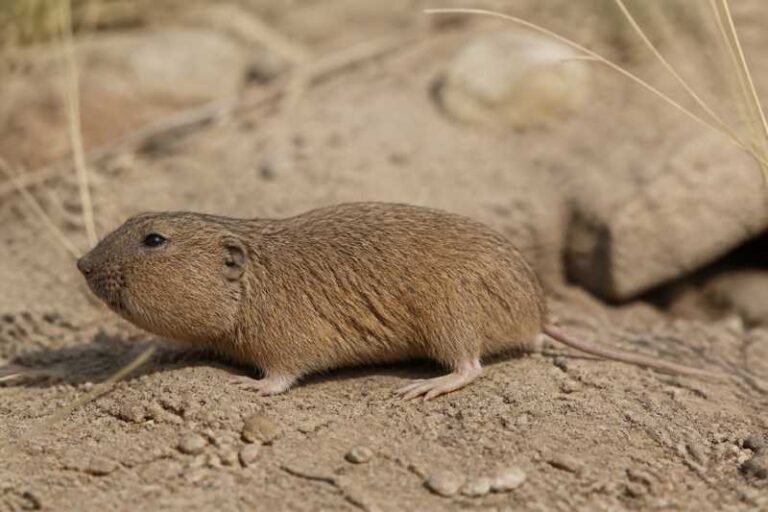
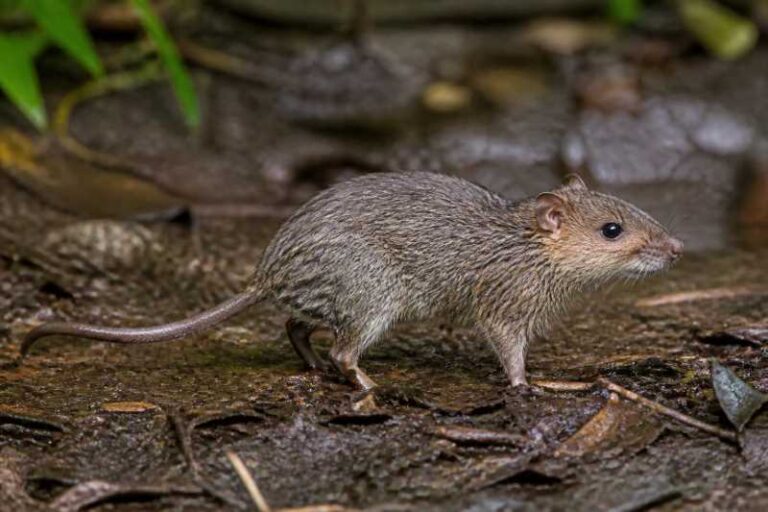
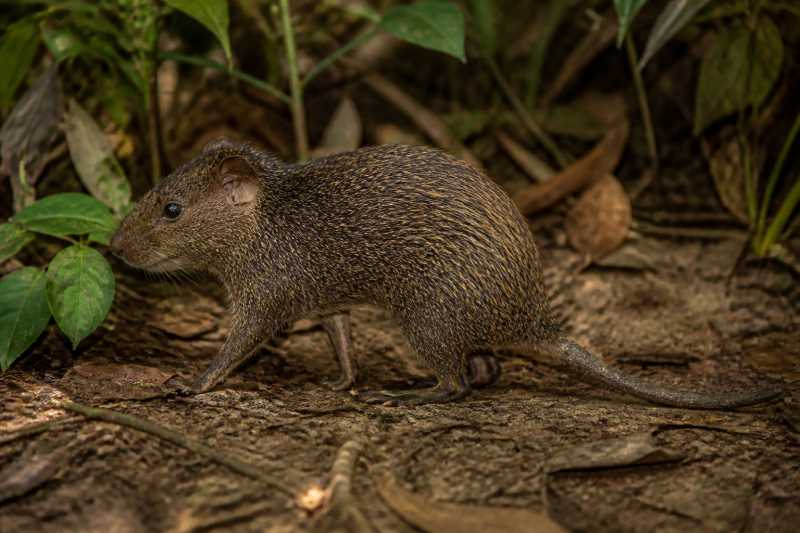
The Mentawai Archipelago Spiny Rat is a small rodent with a body length typically ranging from 15 to 20 centimeters, complemented by a slightly shorter tail. One of its most distinctive features is its spiny fur, which provides both protection and camouflage within its natural habitat. The fur is generally a mottled brown to grey, allowing it to blend seamlessly into the forest floor.
Its robust build is characterized by a relatively large head and pronounced whiskers, which play a crucial role in navigating the dense undergrowth of its habitat. The spiny rat’s paws are adapted for gripping and climbing, featuring sharp claws that assist in traversing the forest terrain. Its eyes are small yet adapted to low light conditions, indicative of its predominantly nocturnal lifestyle.
Range and Habitat
Crunomys pagensis is exclusively found in the Mentawai Archipelago, a group of islands that include Siberut, Sipora, and the Pagai Islands. These islands are covered with tropical rainforests, which provide the ideal environment for the spiny rat. The dense vegetation and abundant leaf litter create a complex ecosystem where the rat thrives.
The spiny rat is most commonly found in lowland forests, although it has been observed in secondary forests and areas of human disturbance, indicating a degree of adaptability. However, its range is severely limited to these islands, making it particularly vulnerable to environmental changes and habitat destruction.
Behavior and Diet
The Mentawai Archipelago Spiny Rat is primarily nocturnal, spending the daylight hours hidden in burrows or among dense vegetation. Its nocturnal habits are an adaptation to avoid predators and to exploit the cooler, more humid nighttime conditions.
In terms of diet, Crunomys pagensis is omnivorous, feeding on a variety of seeds, fruits, insects, and small invertebrates. This diverse diet allows it to adapt to the seasonal availability of food resources. Its foraging behavior is characterized by meticulous searching through leaf litter and soil, aided by its sensitive whiskers.
Socially, the Mentawai Spiny Rat is relatively solitary, although it may occasionally be observed in small family groups. Communication is likely facilitated through scent marking and vocalizations, typical of many rodent species.
Identification Tips
Field recognition of Crunomys pagensis can be challenging due to its elusive nature and the dense habitats it occupies. However, several key characteristics can aid in identification:
- Spiny Fur: Look for the distinctive spiny texture of the fur, which is unique among rodents in the region.
- Size and Shape: Note the relatively small size and robust build, with a proportionately large head and short tail.
- Coloration: The mottled brown-grey fur provides excellent camouflage against the forest floor.
- Behavior: Observations are most likely during nocturnal hours when the rat is active.
Conservation Status
The conservation status of the Mentawai Archipelago Spiny Rat is a subject of concern due to its limited distribution and the ongoing threats to its habitat. Currently, it is classified as Vulnerable by the International Union for Conservation of Nature (IUCN).
Threats
- Habitat Destruction: Deforestation for agriculture and logging poses the most significant threat to its habitat.
- Fragmentation: The isolation of forest patches reduces genetic diversity and impacts population viability.
- Invasive Species: The introduction of non-native species can lead to competition for resources and predation.
Protections
Efforts to protect the Mentawai Archipelago Spiny Rat include:
- Protected Areas: Establishing and enforcing protected areas within the Mentawai Islands.
- Research and Monitoring: Ongoing research to monitor population trends and ecological needs.
- Community Engagement: Involving local communities in conservation efforts to promote sustainable practices.
Frequently Asked Questions
- What adaptations help the Mentawai Archipelago Spiny Rat survive in its environment?
The spiny rat’s adaptations include its spiny fur for protection, nocturnal habits to avoid predators, and a diverse diet that allows flexibility in changing environmental conditions.
- How does habitat destruction affect the Mentawai Archipelago Spiny Rat?
Habitat destruction leads to a loss of resources, increased vulnerability to predators, and population fragmentation, all of which threaten the species’ survival.
- What conservation measures are in place to protect Crunomys pagensis?
Conservation measures include the establishment of protected areas, research and monitoring programs, and community engagement initiatives to promote habitat preservation.
- Why is the Mentawai Archipelago critical for biodiversity?
The Mentawai Archipelago hosts numerous endemic species, making it a vital area for biodiversity. Preserving this unique ecosystem helps maintain genetic diversity and ecological balance.
- What are the challenges in studying the Mentawai Archipelago Spiny Rat?
Challenges include the rat’s elusive nature, dense habitat, and limited accessibility of the islands, which complicate field research and population monitoring.
Related posts