Introduction
The Sulawesi Shrew Mouse, scientifically named Crunomys celebensis, is a fascinating small mammal endemic to the island of Sulawesi in Indonesia. This elusive creature is a member of the family Muridae, which encompasses a vast array of mouse and rat species worldwide. Sulawesi, known for its unique biodiversity and high level of endemism, plays host to this intriguing species that has piqued the interest of researchers and naturalists alike. In this comprehensive article, we delve into the distinctive characteristics, behaviors, and conservation challenges faced by the Sulawesi Shrew Mouse.
Physical Description
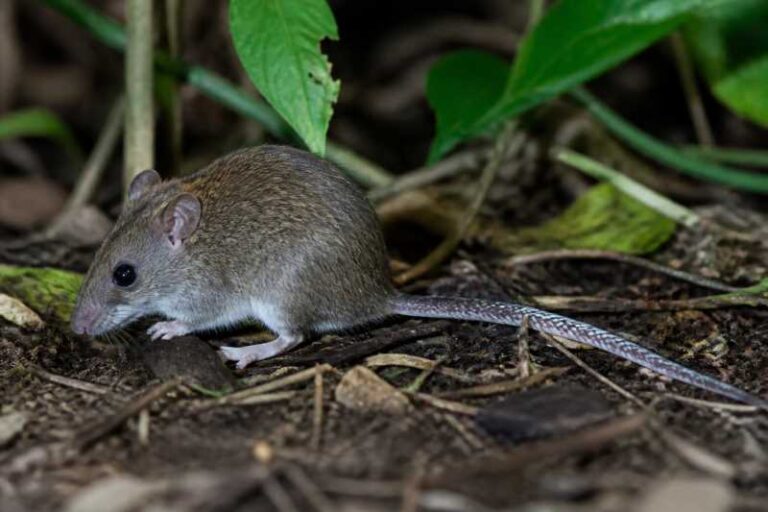
The Sulawesi Shrew Mouse is a small rodent distinguished by its compact body and agile movements. Typically, these mice measure around 10 to 15 centimeters in body length, with an additional tail length of approximately the same size. They possess a soft, dense coat of fur that ranges in color from grayish-brown to a darker, more muted brown, allowing them to blend seamlessly into their forested environments.
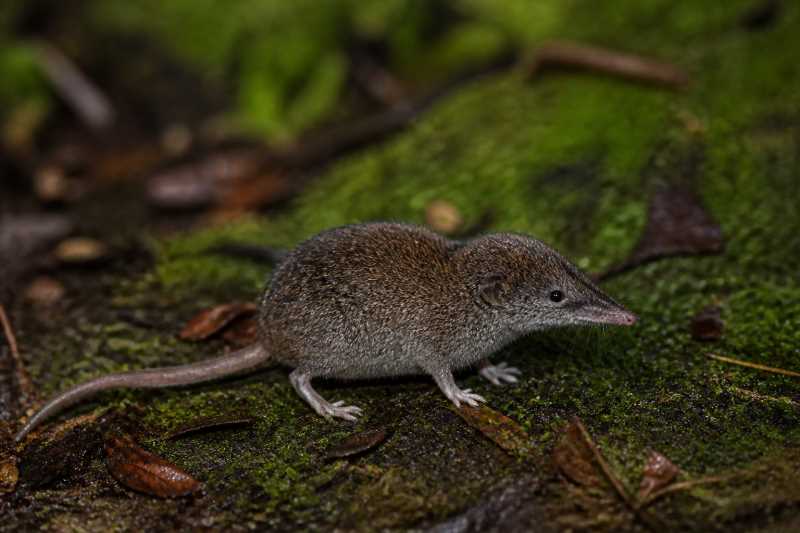
Their elongated snouts and sensitive whiskers are adaptations for a life spent foraging through leaf litter and underbrush. The eyes of the Sulawesi Shrew Mouse are relatively small, reflecting their nocturnal habits, while their ears are well-developed, aiding in acute hearing. The tail, covered in fine fur, is not only a balancing tool but also an aid in climbing and navigating the complex terrain of their habitat.
Range and Habitat
Crunomys celebensis is geographically restricted to Sulawesi, an island known for its rugged terrain and diverse ecosystems. These mice are primarily found in the montane and lowland rainforests of the island, thriving in areas with dense vegetation and ample ground cover. The island’s unique geological history has contributed to the evolution of its distinct fauna, making it a hotspot for species that are not found anywhere else on earth.
The habitats of the Sulawesi Shrew Mouse are characterized by high humidity and abundant rainfall, with temperatures remaining relatively stable throughout the year. These conditions support a rich understory of ferns, shrubs, and fallen leaves, providing an ideal environment for foraging and nesting.
Behavior and Diet
Primarily nocturnal, the Sulawesi Shrew Mouse is most active during the night when it emerges to forage for food. Its diet consists mainly of insects, small invertebrates, and seeds, making it an omnivorous feeder. The mouse’s keen sense of smell and hearing are crucial for locating prey in the dark, dense forest floor.
Social behavior in these mice is not extensively documented, but like many small rodents, they are likely to lead solitary lives, coming together only for mating purposes. Breeding habits remain largely unknown, but it is assumed that, similar to other rodents, they have relatively short gestation periods and produce multiple offspring.
Identification Tips
Identifying the Sulawesi Shrew Mouse in the wild can be challenging due to its elusive nature and the dense habitats it occupies. However, there are certain field recognition cues that can aid in identification:
- Size and Shape: Look for a small rodent with a compact body and a tail roughly equal in length to its body.
- Coloration: The fur is typically grayish-brown to dark brown, providing camouflage against the forest floor.
- Habitat: Concentrate efforts in dense, humid forested areas on Sulawesi.
- Behavior: Nighttime searches are more likely to yield sightings due to their nocturnal activity patterns.
Conservation Status
The conservation status of the Sulawesi Shrew Mouse is of growing concern due to habitat loss and other anthropogenic pressures. Currently, the species is classified as "Data Deficient" by the International Union for Conservation of Nature (IUCN), primarily due to the lack of comprehensive studies on its population trends and distribution.
Threats
The primary threat to the Sulawesi Shrew Mouse is habitat destruction, driven by deforestation for agricultural expansion, logging, and infrastructure development. The degradation of forested areas not only reduces their available habitat but also fragments populations, making it challenging for individuals to find mates and maintain genetic diversity.
Protections
Efforts to protect the Sulawesi Shrew Mouse are closely tied to broader conservation initiatives aimed at preserving Sulawesi’s unique ecosystems. Establishing protected areas and promoting sustainable land-use practices are critical steps in safeguarding the habitats of these and other endemic species.
Frequently Asked Questions
- What do Sulawesi Shrew Mice eat?
Sulawesi Shrew Mice are omnivorous, feeding primarily on insects, small invertebrates, and seeds. Their diet is supported by their habitat’s rich biodiversity.
- Where can I find the Sulawesi Shrew Mouse?
These mice are endemic to Sulawesi, Indonesia, and are typically found in the island’s montane and lowland rainforests.
- How can I identify a Sulawesi Shrew Mouse?
Look for a small rodent with a body length of 10-15 cm, grayish-brown fur, and a tail of similar length. They are primarily nocturnal, so nighttime observations are ideal.
- What are the main threats to the Sulawesi Shrew Mouse?
The main threats include habitat loss due to deforestation and land-use changes. Conservation efforts focus on habitat preservation and sustainable practices.
- Is the Sulawesi Shrew Mouse endangered?
The species is currently classified as "Data Deficient" by the IUCN, meaning more research is needed to determine its conservation status accurately.
Related posts