Introduction
The Woodland Thicket Rat, scientifically known as Grammomys surdaster, is a fascinating small mammal that inhabits the dense thickets and forests of sub-Saharan Africa. This species plays a crucial role in its ecosystem, contributing to seed dispersion and serving as prey for a variety of predators. As one of the lesser-known rodents, the Woodland Thicket Rat is an intriguing subject for researchers and wildlife enthusiasts alike, offering insights into the biodiversity and complexity of African habitats.
Physical Description
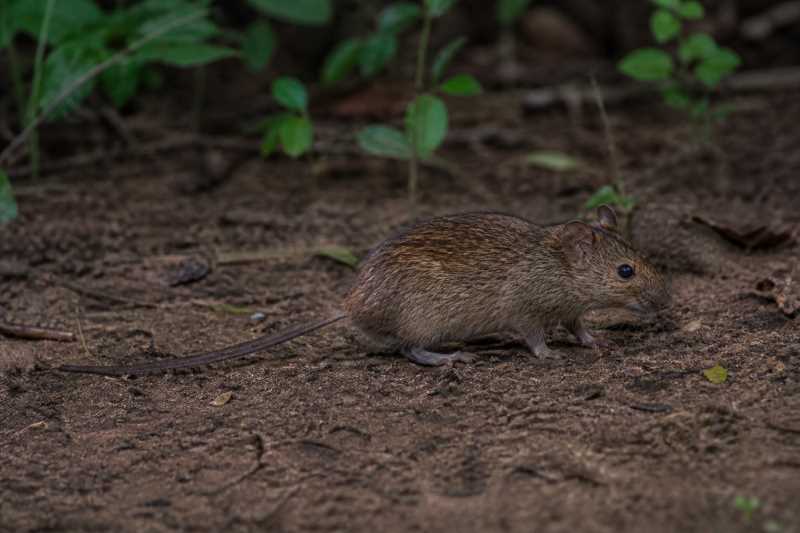
The Woodland Thicket Rat is a medium-sized rodent characterized by its slender body and long tail, which often exceeds the length of its head and body combined. Adults typically weigh between 30 to 60 grams and measure about 10 to 15 centimeters in body length, with a tail that adds an additional 12 to 18 centimeters. Their fur is soft and dense, usually appearing grayish-brown on the dorsal side, with a lighter, often creamy underside.
One of the most distinctive features of the Woodland Thicket Rat is its large, expressive eyes adapted for nocturnal activity. Its ears are relatively large and rounded, aiding in acute hearing necessary for detecting predators in the wild. The feet are well-adapted for climbing, with sharp claws and padded soles that provide a firm grip on branches and other surfaces.
Range and Habitat
The Woodland Thicket Rat is predominantly found in the eastern and southern regions of Africa, with its range extending through countries such as Kenya, Tanzania, Zambia, Malawi, and Mozambique. These rodents are typically associated with forested areas, particularly favoring dense thickets and woodland habitats where undergrowth provides ample cover and food resources.
These habitats are characterized by a mix of trees and shrubs that create a layered canopy, essential for the Woodland Thicket Rat’s arboreal lifestyle. They are often found in close proximity to water sources, which are crucial for their survival, especially during dry seasons. The presence of fallen logs and leaf litter is also important, as it provides shelter and nesting sites.
Behavior and Diet
Woodland Thicket Rats are primarily nocturnal and are known for their agile climbing abilities. They spend a significant amount of time in trees, using their prehensile tails for balance and support. This arboreal behavior helps them evade many ground-dwelling predators and access food resources that are unavailable to other species.
Their diet is omnivorous, consisting of a variety of seeds, fruits, leaves, and occasionally small insects. This varied diet allows them to adapt to different seasonal changes in food availability. Woodland Thicket Rats play an important ecological role by dispersing seeds through their feces, which helps maintain the diversity and health of their forest habitats.
Socially, Woodland Thicket Rats are relatively solitary, with interactions primarily occurring during the breeding season. Females typically give birth to litters of two to five young after a gestation period of about three weeks. The young are born blind and helpless, but they develop quickly, becoming independent within a few weeks.
Identification Tips (Field Recognition Cues)
Identifying the Woodland Thicket Rat in the field requires attention to several key characteristics:
- Size and Shape: Look for a medium-sized rodent with a long tail that exceeds the length of its body.
- Coloration: Note the grayish-brown fur with a lighter underside, a common trait among this species.
- Eyes and Ears: Large eyes and rounded ears are distinctive features that aid in night vision and hearing.
- Tail: A long, prehensile tail that assists in climbing is a hallmark of this arboreal rat.
- Habitat: They are usually found in dense thickets and woodlands, often in trees or dense underbrush.
Conservation Status (with Threats and Protections)
The conservation status of the Woodland Thicket Rat is currently classified as "Least Concern" by the International Union for Conservation of Nature (IUCN). This classification reflects their relatively stable population and wide distribution across suitable habitats in sub-Saharan Africa.
However, like many wildlife species, Woodland Thicket Rats face several threats that could impact their populations in the future. Habitat loss due to deforestation and agricultural expansion is a significant concern, as it reduces the availability of suitable living spaces. Additionally, climate change poses a threat by altering the ecosystems they depend on.
Conservation efforts aimed at preserving forest habitats are crucial for the continued survival of the Woodland Thicket Rat. Protected areas and national parks play a vital role in safeguarding their environments, while community-based conservation initiatives help mitigate human-wildlife conflicts and promote sustainable land-use practices.
Frequently Asked Questions
What is the primary habitat of the Woodland Thicket Rat?
The Woodland Thicket Rat primarily inhabits dense thickets and forested areas in sub-Saharan Africa. They prefer regions with abundant undergrowth and proximity to water sources, which provide essential resources for their survival.
How does the Woodland Thicket Rat contribute to its ecosystem?
The Woodland Thicket Rat plays a significant ecological role by dispersing seeds through its diet, thereby supporting forest regeneration. Additionally, as prey for various predators, they are integral to the food web dynamics of their habitats.
Are Woodland Thicket Rats endangered?
Currently, Woodland Thicket Rats are classified as "Least Concern" by the IUCN, indicating a stable population. However, ongoing threats such as habitat loss and climate change could potentially affect their status in the future.
What are the main threats to the Woodland Thicket Rat?
The primary threats to Woodland Thicket Rats include habitat destruction due to deforestation and agricultural expansion, as well as the broader impacts of climate change on their ecosystems.
How can we help protect the Woodland Thicket Rat?
Supporting conservation efforts that focus on preserving forest habitats and promoting sustainable land-use practices is essential. Engaging in community-based initiatives and advocating for protected areas can also contribute to the conservation of this species.
Related posts