Introduction
Sabuni’s Brush-furred Rat, scientifically known as Lophuromys sabunii, is a fascinating rodent species that has garnered attention from researchers and conservationists alike. Discovered relatively recently, this species is part of the rich biodiversity in Africa’s montane ecosystems. Sabuni’s Brush-furred Rat is notable for its unique physical characteristics and ecological role within its habitat. In this comprehensive article, we will delve into the various aspects of this species, including its physical description, habitat, behavior, and conservation status.
Physical Description
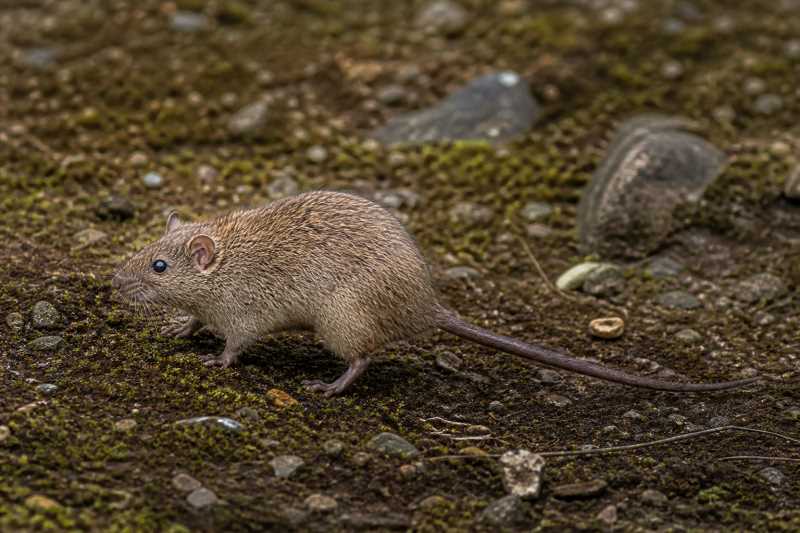
Sabuni’s Brush-furred Rat is a medium-sized rodent characterized by its distinctively dense and brush-like fur. The fur, which is adapted to its montane environment, provides excellent insulation against the cool, damp conditions often found in its habitat. The dorsal side of the fur is usually a dark brown or grey, while the ventral side is lighter, often showing a blend of white or cream tones.
An adult Sabuni’s Brush-furred Rat typically measures between 12 to 18 centimeters in body length, with a tail that adds an additional 8 to 12 centimeters. The tail is relatively shorter compared to other rat species, a feature that aids in its agility and balance within its arboreal habitat. The species also has small, rounded ears and a pointed snout, which are typical of the genus Lophuromys.
Range and Habitat
Sabuni’s Brush-furred Rat is predominantly found in the montane forests of East Africa. Its range is still being fully understood, as it was only identified as a distinct species in the past few decades. However, it is known to inhabit high-altitude areas, thriving in regions with dense vegetation that offer both food resources and protection from predators.
These rats prefer environments that provide ample cover, such as thickets and understory vegetation in montane rainforests. The cool, moist climate of these areas supports the lush plant growth that forms the basis of their diet and provides shelter. Additionally, the terrain offers a complex structure that supports their climbing and foraging behavior.
Behavior and Diet
Sabuni’s Brush-furred Rat is primarily nocturnal, with peak activity occurring during the early evening and night. This behavior helps them avoid daytime predators and take advantage of the cooler temperatures at night. They are known to be solitary animals, although occasional sightings of pairs suggest some level of social interaction during the breeding season.
Their diet primarily consists of plant materials, including seeds, fruits, and leaves. However, they are also known to consume insects and other invertebrates, which provide essential proteins and nutrients. Their foraging behavior is adaptive, allowing them to exploit the variety of food sources available in their montane habitat.
Identification Tips (Field Recognition Cues)
Identifying Sabuni’s Brush-furred Rat in the field can be challenging due to its elusive nature and the dense habitat it occupies. However, there are several key features to look out for:
- Fur Texture and Color: Look for the distinctive brush-like fur that is dark on the back and lighter underneath.
- Size and Proportions: Note the medium body size with a relatively short tail.
- Behavior: Observe nocturnal activity and solitary foraging habits.
- Habitat Preference: Presence in high-altitude montane forests with dense underbrush.
Conservation Status (with Threats and Protections)
The conservation status of Sabuni’s Brush-furred Rat is currently classified as "Data Deficient" by the IUCN Red List. This classification reflects the limited information available about its population size and trends. However, the species is believed to face several threats that could impact its survival.
Threats
- Habitat Destruction: Deforestation and land conversion for agriculture are significant threats, leading to habitat fragmentation and loss.
- Climate Change: Alterations in climate patterns can affect the montane ecosystems, impacting food availability and habitat suitability.
- Predation: While natural predators are part of the ecosystem, human-induced changes can increase these threats.
Protections
- Protected Areas: Some populations of Sabuni’s Brush-furred Rat are found within national parks and reserves, offering some level of protection.
- Research Initiatives: Ongoing studies aim to better understand its ecology and inform conservation strategies.
- Community Engagement: Educating local communities about the importance of preserving montane habitats can aid conservation efforts.
Frequently Asked Questions
What is the primary diet of Sabuni’s Brush-furred Rat?
Sabuni’s Brush-furred Rat primarily feeds on plant materials such as seeds, fruits, and leaves. They also consume insects for additional protein.
Where can Sabuni’s Brush-furred Rat be found?
This species is found in the montane forests of East Africa, particularly in high-altitude regions with dense vegetation.
How can I identify Sabuni’s Brush-furred Rat in the wild?
Look for their unique brush-like fur, medium size, and preference for dense, montane habitats. They are more active at night.
What are the main threats to Sabuni’s Brush-furred Rat?
Habitat destruction, climate change, and increased predation due to human activities are the primary threats to this species.
Are there any conservation efforts for Sabuni’s Brush-furred Rat?
Conservation efforts include protection within national parks, research initiatives, and community education programs to preserve their habitat.
Related posts