Gray South American Spiny Mouse (Scolomys melanops): A Comprehensive Guide
Introduction
The Gray South American Spiny Mouse, scientifically known as Scolomys melanops, is a fascinating mammal species that has intrigued researchers and naturalists alike. Known for its unique physical characteristics and ecological role, this small rodent is an important part of the biodiversity in the regions it inhabits. In this article, we will delve into the various aspects of the Gray South American Spiny Mouse, including its physical description, habitat, behavior, conservation status, and more.
Physical Description
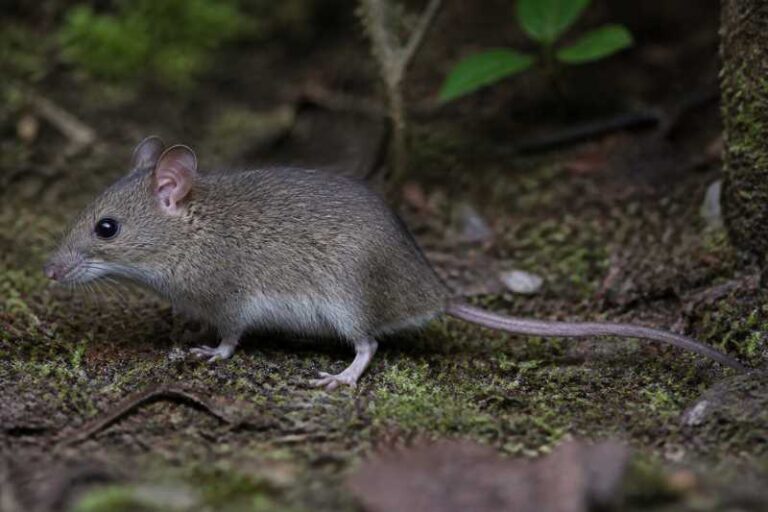
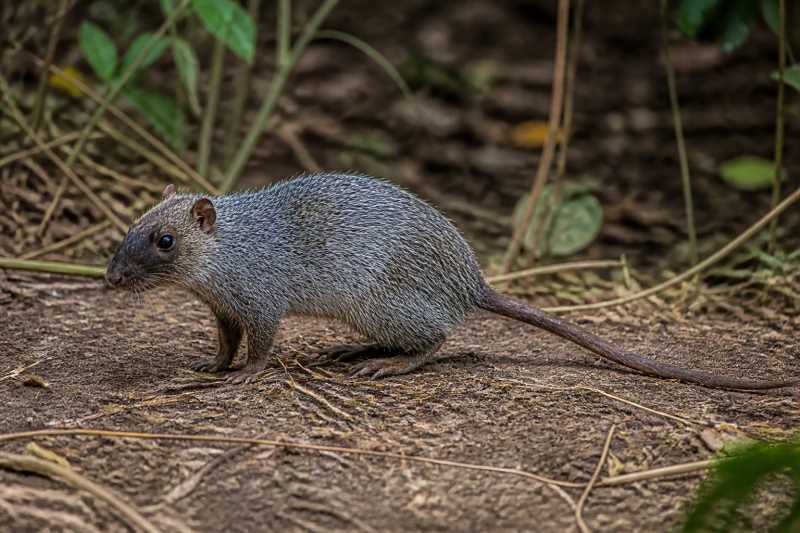
The Gray South American Spiny Mouse is a small rodent characterized by its distinct spiny fur. This species typically measures about 10 to 15 centimeters in body length, excluding the tail, which can add an additional 8 to 12 centimeters. The fur is a mix of gray and brown tones, providing excellent camouflage against predators in its natural habitat. The spiny texture of the fur, which is a defining feature of this species, is due to the presence of stiff, bristle-like hairs interspersed among softer fur. These spines are not as pronounced as those of a porcupine but serve a similar defensive purpose.
The facial features of Scolomys melanops include small, rounded ears and sharp, beady eyes, which are adapted for nocturnal activity. Its limbs are relatively short, with sharp claws that aid in climbing and foraging. The tail is covered with a sparse layer of hair and is prehensile, allowing the mouse to maintain balance and maneuver through its arboreal habitat.
Range and Habitat
The Gray South American Spiny Mouse is native to the tropical rainforests of South America. It is primarily found in countries like Brazil, Colombia, Ecuador, and Peru. These mice prefer densely forested areas with plenty of vegetation, which provide both food sources and protection from predators.
Within these forests, Scolomys melanops typically occupies the understory and lower canopy levels. They are adept climbers and often navigate through the branches and vines in search of food. The dense foliage not only offers safety but also supports a diverse ecosystem that sustains their diet.
Behavior and Diet
The Gray South American Spiny Mouse is primarily nocturnal, spending the daylight hours in burrows or nests constructed from leaves and other plant materials. At night, it becomes active, foraging for food and engaging in social interactions with other members of its species.
Dietarily, Scolomys melanops is omnivorous. Its diet consists of fruits, seeds, insects, and small invertebrates. This varied diet allows the species to adapt to seasonal changes in food availability. The mouse’s sharp incisors are well-suited for gnawing through tough seed coats and exoskeletons.
Socially, the Gray South American Spiny Mouse is relatively solitary but may form small groups during the breeding season. Communication among these mice involves a series of high-pitched squeaks and other vocalizations, as well as scent markings used to establish territories and attract mates.
Identification Tips (Field Recognition Cues)
Identifying the Gray South American Spiny Mouse in the wild can be challenging due to its elusive nature and nocturnal habits. However, there are several key features to look for:
- Fur Texture: The spiny texture of the fur is a distinctive feature. Look for the bristle-like hairs among softer fur.
- Coloration: The gray-brown coloration provides effective camouflage but is a crucial identifier.
- Tail: A relatively long, sparsely haired, prehensile tail is indicative of this species.
- Size: Small body size, typically 10 to 15 cm in length (excluding the tail).
- Habitat: Found in dense, tropical forest understories and lower canopies.
Conservation Status (with Threats and Protections)
According to the International Union for Conservation of Nature (IUCN), the Gray South American Spiny Mouse is currently listed as a species of Least Concern. However, like many other rainforest inhabitants, it faces threats from habitat destruction due to logging, agriculture, and urban expansion.
Conservation efforts for Scolomys melanops focus on preserving its natural habitat. Protected areas and national parks play a crucial role in safeguarding the ecosystems these mice rely on. Additionally, research and monitoring programs are essential to understanding population dynamics and potential threats.
Local and international conservation organizations advocate for sustainable land-use practices that minimize deforestation and habitat fragmentation. Encouragingly, some regions have implemented successful reforestation projects that aim to restore the natural habitats of many native species, including the Gray South American Spiny Mouse.
Frequently Asked Questions
- What do Gray South American Spiny Mice eat?
Gray South American Spiny Mice have a varied diet that includes fruits, seeds, insects, and small invertebrates. This omnivorous diet allows them to adapt to different food availabilities in their rainforest habitats.
- Are Gray South American Spiny Mice endangered?
Currently, the Gray South American Spiny Mouse is not considered endangered and is listed as a species of Least Concern by the IUCN. However, habitat destruction remains a significant threat to their populations.
- How can I identify a Gray South American Spiny Mouse?
Identification involves looking for their distinctive spiny fur, gray-brown coloration, long prehensile tail, and small body size. They are typically found in tropical forest understories.
- What is the natural habitat of the Gray South American Spiny Mouse?
These mice are native to the tropical rainforests of South America, particularly in countries like Brazil, Colombia, Ecuador, and Peru. They inhabit dense forest understories and lower canopies.
- How do Gray South American Spiny Mice communicate?
They communicate through vocalizations such as high-pitched squeaks and use scent markings to establish territories and attract mates.
Related posts