The Amazonian Marsh Rat (Holochilus nanus) is a fascinating rodent species that inhabits the lush and diverse ecosystems of the Amazon basin. Known for its adaptability to wetland environments, this semi-aquatic mammal plays a crucial role in the ecological balance of its habitat. Despite its relatively small size, the Amazonian Marsh Rat is a significant species for scientific study due to its unique adaptations and behaviors. This article delves into various aspects of the Amazonian Marsh Rat, providing insights into its physical characteristics, habitat, behavior, and conservation status.
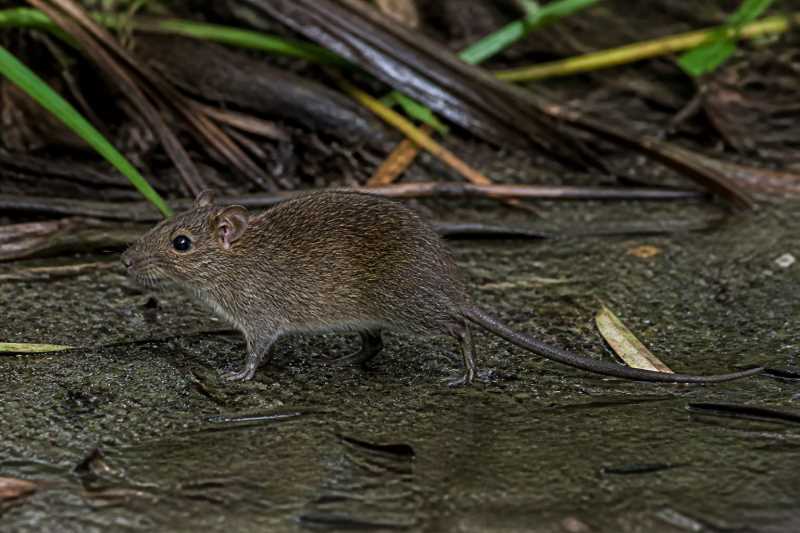
The Amazonian Marsh Rat is a medium-sized rodent, with adults typically measuring between 25 to 30 centimeters in length, including the tail, which accounts for about half of its total length. Its fur is generally a reddish-brown color on the back, transitioning to a lighter, almost white hue on the abdomen. This coloration provides effective camouflage within its environment, helping it to evade predators. The rat’s dense and water-resistant fur is an adaptation to its semi-aquatic lifestyle, allowing it to swim efficiently. Additionally, its hind feet are partially webbed, further aiding in swimming and navigating through marshy terrains.
The Amazonian Marsh Rat is widely distributed across the Amazon Basin, primarily inhabiting the wetlands, marshes, and riverbanks within the region. It thrives in environments with abundant water sources, as these areas provide both food and protection from predators. The species is well-adapted to the fluctuating water levels of its habitat, often found in areas with dense vegetation that offers ample cover. Its range extends across several countries, including Brazil, Peru, and Colombia, highlighting its adaptability to various microhabitats within the Amazon rainforest.
The Amazonian Marsh Rat is primarily nocturnal, exhibiting peak activity during the night to avoid daytime predators. It is an omnivorous species, with a diet that consists of a variety of plant materials, seeds, and small aquatic animals. This diet reflects its adaptability to the available resources in its environment. The species is known for its foraging behavior, often seen collecting food along the water’s edge or within dense vegetation. Socially, the Amazonian Marsh Rat tends to be solitary, with individuals maintaining their own territories. However, during the breeding season, these rats may form temporary social groups.
Identifying the Amazonian Marsh Rat in the field requires careful observation of several key features. Look for its distinctive reddish-brown fur and lighter underbelly, which are characteristic of the species. Its partially webbed hind feet are another identifying feature, particularly when observing its swimming behavior. Additionally, the rat’s size and the proportion of its tail to body length can help distinguish it from other similar rodent species. Observers should also listen for its vocalizations, which are often heard during nighttime activity.
Currently, the Amazonian Marsh Rat is not classified as endangered, but it faces several threats that could impact its populations. Habitat destruction due to deforestation and wetland drainage poses significant risks, reducing the available habitat for the species. Pollution and climate change also threaten the delicate balance of the ecosystems in which these rats live. Conservation efforts are crucial to ensure the survival of the species, with initiatives focusing on habitat preservation and restoration. Protected areas within the Amazon Basin provide some refuge for the Amazonian Marsh Rat, although ongoing conservation work is necessary to mitigate the impacts of human activities.
The Amazonian Marsh Rat has several adaptations for its wetland habitat, including water-resistant fur, partially webbed feet for swimming, and a diet that includes aquatic food sources. These adaptations allow it to thrive in marshy environments and effectively evade predators.
As an omnivore, the Amazonian Marsh Rat plays a vital role in seed dispersal and the control of insect populations. Its foraging activities help maintain the ecological balance within its habitat, contributing to the overall health of the wetland ecosystems.
Yes, conservation efforts for the Amazonian Marsh Rat include habitat preservation and restoration projects. Protected areas within the Amazon Basin are crucial for safeguarding the species, and ongoing research aims to better understand its ecology and threats.
The Amazonian Marsh Rat is found throughout the Amazon Basin, primarily in wetlands, marshes, and along riverbanks in countries like Brazil, Peru, and Colombia. Its wide distribution highlights its adaptability to different wetland environments.
The Amazonian Marsh Rat has an omnivorous diet, feeding on a variety of plant matter, seeds, and small aquatic animals. This diverse diet allows it to take advantage of the resources available in its wetland habitat.
Related posts