
Introduction
Emmons’s Rice Rat, scientifically known as Euryoryzomys emmonsae, is a fascinating rodent species belonging to the Cricetidae family. This elusive mammal, named in honor of the distinguished American zoologist Louise H. Emmons, is a subject of intrigue for researchers and wildlife enthusiasts alike. Primarily found in South America, Emmons’s Rice Rat plays a crucial role in its ecosystem, contributing to seed dispersal and serving as prey for various predators.
This article delves into the detailed aspects of Emmons’s Rice Rat, offering insights into its physical characteristics, habitat, behavior, and conservation status. By understanding more about this unique species, we can better appreciate its ecological importance and the efforts needed to ensure its survival.
Physical Description
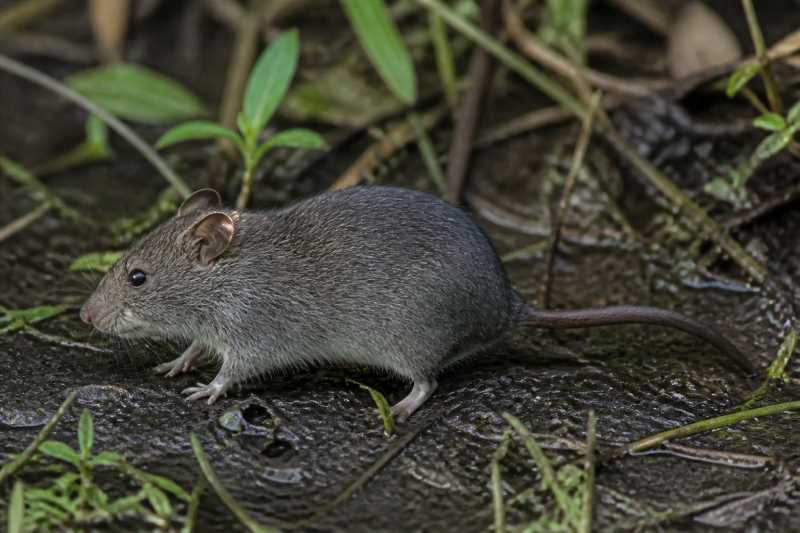
Emmons’s Rice Rat is a medium-sized rodent, characterized by its slender body and long tail. Adults typically measure between 15 to 20 centimeters in body length, with an additional tail length of around 12 to 18 centimeters. The species exhibits sexual dimorphism, with males generally being slightly larger than females.
The fur of Emmons’s Rice Rat is dense and soft, primarily grayish-brown on the dorsal side, transitioning to a lighter, whitish hue on the ventral side. The coloration provides effective camouflage in its natural habitat, helping it avoid predators. Notably, the ears are rounded and relatively large, aiding in acute auditory perception, which is essential for detecting threats and communicating with conspecifics.
The species has a distinct muzzle, with long whiskers that enhance its tactile sensitivity, allowing it to navigate through dense vegetation effectively. Its feet are well adapted for a semiarboreal lifestyle, equipped with sharp claws and pads that provide a firm grip on various surfaces.
Range and Habitat
Emmons’s Rice Rat is endemic to the tropical rainforests of South America, primarily inhabiting regions within Brazil, particularly in the eastern Amazon Basin. These areas are characterized by high humidity, dense vegetation, and a rich biodiversity, offering ample resources and shelter for the species.
The rat is typically found in lowland forests, often near water bodies such as rivers and streams, which provide both hydration and a food source. It is also known to inhabit secondary forests and areas of regenerating vegetation, demonstrating some degree of adaptability to environmental changes.
The dense undergrowth and complex forest structure offer Emmons’s Rice Rat protection from predators and a variety of food sources, including seeds, fruits, and small invertebrates. However, habitat fragmentation and deforestation pose significant threats to its natural environment.
Behavior and Diet
Emmons’s Rice Rat is a nocturnal and primarily solitary creature, with activity patterns that peak during the night. This behavior reduces its risk of predation and allows it to exploit food resources without direct competition from diurnal species.
The diet of Emmons’s Rice Rat is omnivorous, consisting of a variety of plant and animal matter. It feeds on seeds, fruits, and leaves, playing a vital role in seed dispersal and forest regeneration. Additionally, the species consumes insects and other small invertebrates, contributing to the control of pest populations.
Territorial by nature, Emmons’s Rice Rat utilizes scent markings and vocalizations to communicate with conspecifics and establish its presence within a given area. The species is also known for its agility and climbing abilities, often venturing into trees and shrubs in search of food and refuge.
Identification Tips (Field Recognition Cues)
Identifying Emmons’s Rice Rat in the wild requires attention to specific physical and behavioral traits:
- Size and Shape: Look for a medium-sized rodent with a slender body and a long tail that is almost equal in length to its body.
- Fur Coloration: Note the grayish-brown fur on the back and the lighter, whitish underbelly.
- Ears and Whiskers: Large, rounded ears and long, sensitive whiskers are characteristic features.
- Behavior: Observe nocturnal activity and solitary behavior, often near water sources or in dense vegetation.
- Habitat: Focus on tropical rainforest regions, particularly in Eastern Brazil, for sightings.
Conservation Status (with Threats and Protections)
The conservation status of Emmons’s Rice Rat is currently listed as Least Concern by the International Union for Conservation of Nature (IUCN). However, this classification does not imply that the species is free from threats. Habitat loss due to deforestation for agriculture, logging, and human settlement poses significant challenges to its survival.
Efforts to conserve Emmons’s Rice Rat include habitat protection and restoration initiatives. Conservation programs aimed at preserving the Amazon rainforest indirectly benefit this species by maintaining its natural habitat. Additionally, research and monitoring are essential to better understand its ecological needs and adapt conservation strategies accordingly.
Frequently Asked Questions
1. What do Emmons’s Rice Rats eat? Emmons’s Rice Rats have an omnivorous diet, primarily consuming seeds, fruits, leaves, insects, and other small invertebrates. Their feeding habits play a critical role in seed dispersal and pest control within their ecosystem.
2. Where can Emmons’s Rice Rat be found? This species is endemic to the tropical rainforests of South America, particularly in the eastern Amazon Basin of Brazil. It thrives in lowland forests near water bodies, benefitting from the abundant resources and shelter these areas provide.
3. How does habitat loss affect Emmons’s Rice Rat? Habitat loss due to deforestation and land-use changes poses a significant threat to Emmons’s Rice Rat by reducing available resources, disrupting ecological balance, and increasing vulnerability to predators and human activities.
4. Are Emmons’s Rice Rats endangered? Currently, Emmons’s Rice Rat is classified as Least Concern by the IUCN. However, ongoing habitat loss and environmental changes necessitate continued conservation efforts to ensure the species’ long-term survival.
5. How can we help conserve Emmons’s Rice Rat? Supporting rainforest conservation projects, promoting sustainable land-use practices, and raising awareness about the ecological importance of species like Emmons’s Rice Rat are crucial steps in aiding their conservation.
Related posts


