Introduction
The São Paulo Grass Mouse, scientifically known as Akodon sanctipaulensis, is a small rodent species indigenous to Brazil. This elusive mammal is part of the Cricetidae family, a diverse group of rodents that are primarily distributed across the Americas. Known for its adaptability to various environments, the São Paulo Grass Mouse has intrigued researchers and ecologists alike due to its unique behaviors and ecological significance.
This article delves into the various facets of the São Paulo Grass Mouse, providing a comprehensive understanding of its physical characteristics, habitat preferences, diet, and conservation status. Whether you’re a wildlife enthusiast, a researcher, or simply curious about this fascinating creature, this detailed guide aims to cover everything you need to know about the São Paulo Grass Mouse.
Physical Description
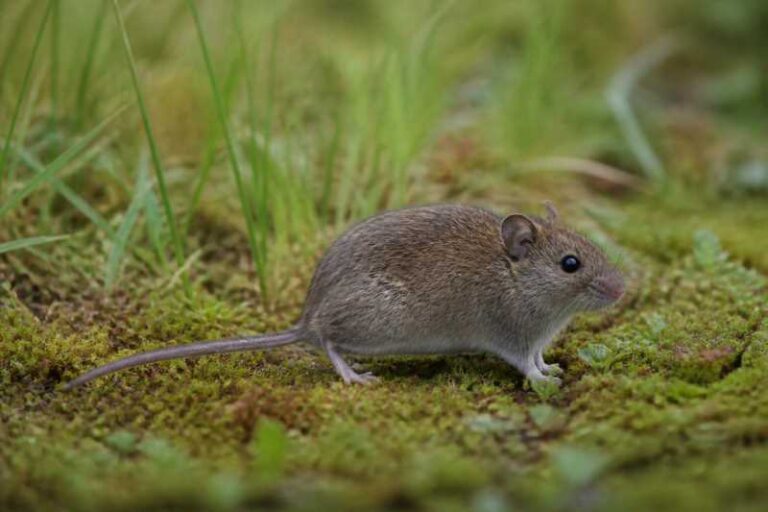
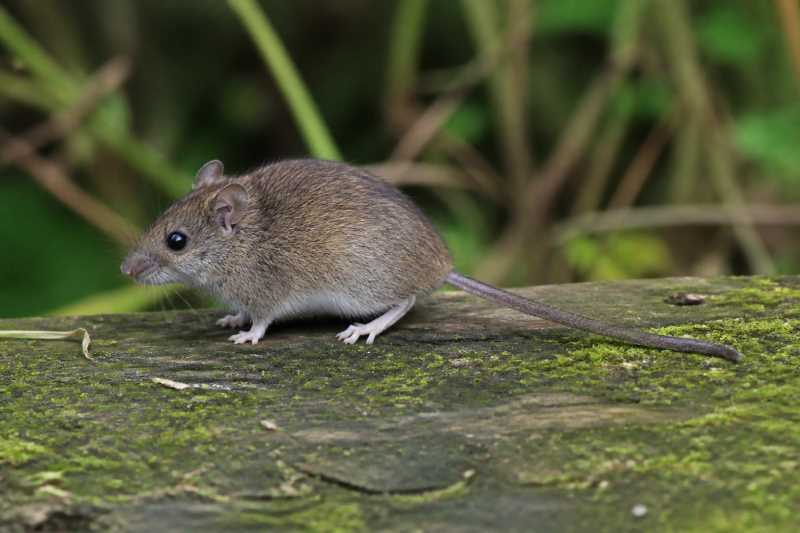
The São Paulo Grass Mouse is a small, agile rodent characterized by its modest size and distinctive fur coloring. Adults typically measure between 8 to 12 centimeters in body length, excluding the tail, which adds an additional 6 to 10 centimeters. Weighing between 20 to 40 grams, this mouse exhibits a lightweight yet sturdy build, allowing it to navigate its environment efficiently.
The fur of the São Paulo Grass Mouse is typically a mixture of brown and gray shades, providing excellent camouflage in its natural habitat. The underbelly is lighter, often a pale gray or white, which helps in thermoregulation. Its rounded ears and small, beady eyes are well-adapted to detect predators, while its sharp claws aid in digging and foraging.
Range and Habitat
The São Paulo Grass Mouse is predominantly found in the southeastern regions of Brazil, with a significant concentration in and around the state of São Paulo. Its preferred habitats include grasslands, scrublands, and forest edges, where it can exploit the abundant cover and food resources.
This species is highly adaptable, often inhabiting areas disturbed by human activities, such as agricultural lands and urban fringes. Despite this adaptability, Akodon sanctipaulensis shows a preference for habitats that offer dense vegetation and ample ground cover, which serve as protection from predators and harsh weather conditions.
Behavior and Diet
The São Paulo Grass Mouse is primarily nocturnal, engaging in foraging activities during the night to avoid predators. Its diet is omnivorous, consisting mainly of seeds, fruits, insects, and occasionally small invertebrates. This varied diet allows the mouse to thrive in a range of environments, contributing to its success as a species.
Socially, the São Paulo Grass Mouse is relatively solitary, although it may form small groups during breeding seasons. Communication is facilitated through a combination of vocalizations and scent markings, which help establish territory and identify individuals.
Identification Tips
Identifying the São Paulo Grass Mouse in the field involves recognizing several key features:
- Size and Shape: Look for a small rodent with a compact body and a long tail relative to its size.
- Fur Color: Note the brown-gray mixed fur with a lighter underbelly, which is characteristic of the species.
- Behavior: Observe their nocturnal activity patterns and preference for dense vegetation.
- Habitat: Spot them in grasslands, forest edges, or even urban areas with suitable cover.
Conservation Status
The conservation status of the São Paulo Grass Mouse is currently classified as "Least Concern" by the International Union for Conservation of Nature (IUCN). However, it faces several threats, primarily habitat loss due to urban expansion, agriculture, and deforestation.
Efforts to protect this species include habitat preservation and the establishment of protected areas. Conservationists emphasize the importance of maintaining ecological corridors to facilitate gene flow and reduce the risk of population fragmentation.
Frequently Asked Questions
1. What is the natural habitat of the São Paulo Grass Mouse? The São Paulo Grass Mouse thrives in grasslands, forest edges, and scrublands in southeastern Brazil. It adapts well to disturbed areas, including agricultural and urban environments.
2. How does the São Paulo Grass Mouse contribute to its ecosystem? As an omnivorous species, it plays a crucial role in seed dispersion and pest control, thus maintaining ecological balance in its habitat.
3. What are the main threats to the São Paulo Grass Mouse? The primary threats include habitat destruction due to urbanization and agricultural expansion, leading to potential population declines if not mitigated.
4. How can one distinguish the São Paulo Grass Mouse from other rodents? Key distinguishing features include its size, fur color, and behavior, such as nocturnal foraging and preference for habitats with dense vegetation.
5. Are there any conservation measures in place for the São Paulo Grass Mouse? Yes, conservation efforts focus on habitat preservation and creating protected areas to sustain population levels and prevent habitat fragmentation.
Related posts