Black-tailed Deermouse: A Comprehensive Guide
Introduction
The Black-tailed Deermouse (Peromyscus melanurus) is a fascinating yet lesser-known rodent species that inhabits certain regions of North America. Known for its distinctive black tail, this small mammal plays a crucial role in its ecosystem. Despite its relatively obscure status, this species is noteworthy for its adaptability and unique behavioral traits. This article delves into the various aspects of the Black-tailed Deermouse, providing insights into its physical description, habitat range, behavior, diet, and conservation status.
Physical Description
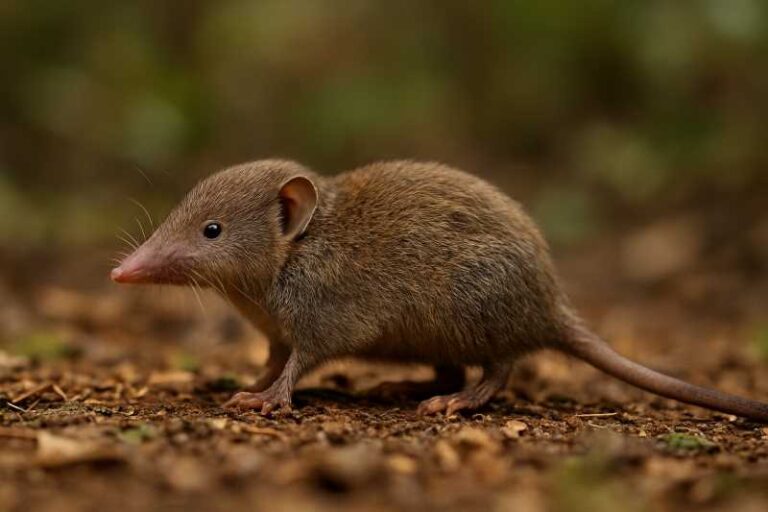
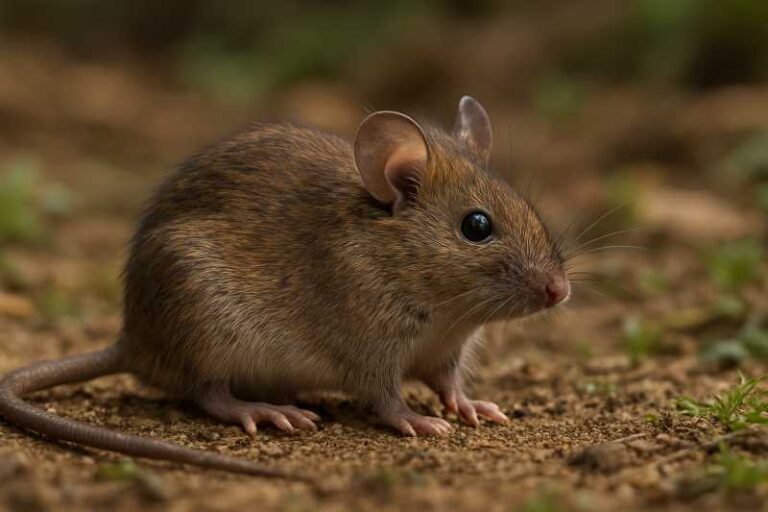
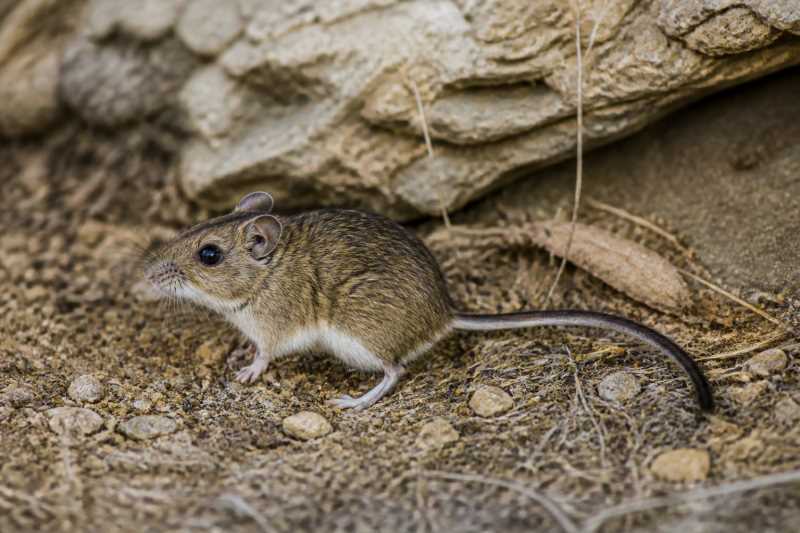
The Black-tailed Deermouse is a small rodent with several distinguishing features that set it apart from its relatives. Typically, it measures around 7 to 10 centimeters in body length, with a tail that can add another 5 to 13 centimeters. Its most striking feature is the black coloration of its tail, which contrasts with the rest of its body. The fur is generally a mix of brown and gray tones, providing effective camouflage in its natural habitat. The underbelly is usually white or light gray, enhancing its distinctive appearance. The ears are relatively large and rounded, aiding in its acute sense of hearing, which is essential for avoiding predators.
Range and Habitat
The Black-tailed Deermouse is predominantly found in the southwestern regions of the United States and parts of Mexico. It prefers habitats that provide ample cover and food resources, such as forests, shrublands, and grasslands. This species is highly adaptable and can thrive in a variety of environmental conditions, from arid deserts to lush forests. Its range is primarily determined by the availability of its preferred food sources and suitable nesting sites. The Black-tailed Deermouse is also known to inhabit areas that have undergone significant ecological changes, showcasing its remarkable adaptability.
Behavior and Diet
The Black-tailed Deermouse is predominantly nocturnal, with most of its activities occurring during the night. This behavior helps it avoid many diurnal predators. It is a solitary creature, although it may share its habitat with other deermice species. The diet of the Black-tailed Deermouse is omnivorous, consisting of seeds, fruits, insects, and small invertebrates. Its ability to consume a wide range of food items allows it to survive in diverse habitats. During the colder months, the Black-tailed Deermouse may store food to ensure a steady supply, a behavior that highlights its resourcefulness.
Identification Tips (Field Recognition Cues)
Identifying the Black-tailed Deermouse in the wild can be challenging due to its similarity to other deermice species. However, several key features can aid in its identification:
- Tail Coloration: The most distinctive feature is its black tail, which is darker than the rest of its body.
- Size: It is relatively small, with a body length of 7 to 10 centimeters.
- Fur Color: The fur is a mixture of brown and gray, with a white or light gray underbelly.
- Ears: Large and rounded ears are indicative of this species.
- Behavior: Observing its nocturnal activity patterns can also provide clues.
Conservation Status (With Threats and Protections)
The conservation status of the Black-tailed Deermouse is currently listed as Least Concern by the International Union for Conservation of Nature (IUCN). However, this does not imply that the species faces no threats. Habitat loss due to urbanization and agriculture poses significant risks, as does predation by domestic animals such as cats. Furthermore, climate change could alter its habitat, impacting its food supply and nesting sites. Conservation efforts focus on habitat preservation and minimizing human impact on its environment. Protected areas and wildlife reserves play a crucial role in ensuring the survival of this species.
Frequently Asked Questions
What is the habitat of the Black-tailed Deermouse?
The Black-tailed Deermouse inhabits forests, shrublands, and grasslands across the southwestern United States and parts of Mexico. It prefers areas with ample cover and food resources.
How can you identify a Black-tailed Deermouse?
Identification can be made by noting its distinctive black tail, small size, brown and gray fur, and large, rounded ears. Observing its nocturnal behavior can also be helpful.
What threats does the Black-tailed Deermouse face?
The main threats include habitat loss due to urbanization and agriculture, predation by domestic animals, and potential impacts from climate change.
What does the Black-tailed Deermouse eat?
This species is omnivorous, feeding on seeds, fruits, insects, and small invertebrates. Its diet is adaptable based on the availability of food sources.
Is the Black-tailed Deermouse endangered?
Currently, the Black-tailed Deermouse is not considered endangered, as it is listed as Least Concern by the IUCN. Nonetheless, ongoing conservation efforts are essential to mitigate potential threats.
Related posts