Introduction
The lacustrine vole (Alexandromys limnophilus), a small rodent species within the family Cricetidae, is an intriguing subject for both researchers and wildlife enthusiasts. Known for its adaptation to wetland environments, the lacustrine vole inhabits regions that are often overlooked, yet play a crucial role in maintaining ecological balance within their ecosystems. This article delves into the various aspects of the lacustrine vole, including its physical characteristics, habitat, behavior, and conservation status, providing a comprehensive understanding of this unique mammal species.
Physical Description
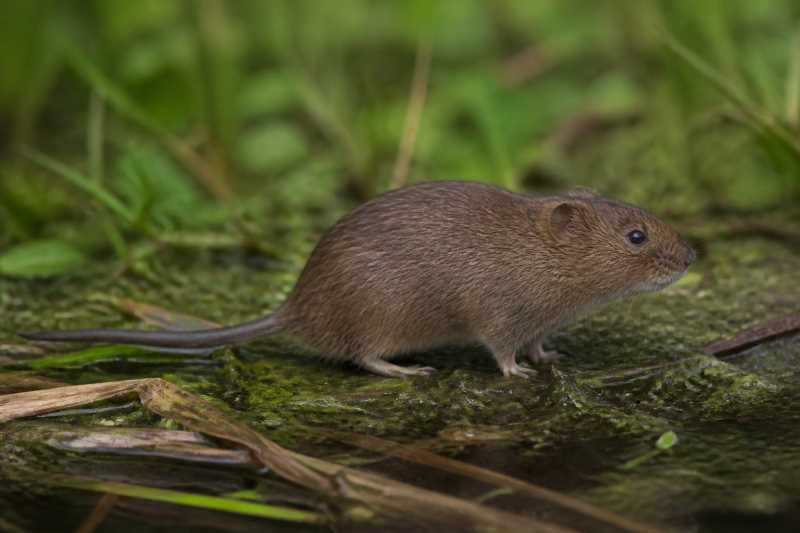
The lacustrine vole is a medium-sized vole with a robust body, typically measuring between 14 to 18 centimeters in length, including its tail, which accounts for about one-third of its total length. Its weight ranges from 30 to 50 grams, with males generally being slightly larger than females. The vole’s fur is dense and soft, featuring a brownish-gray coloration on the dorsal side, which helps it blend into its natural surroundings, while the underbelly is paler, often whitish or light gray.
One of the distinguishing features of the lacustrine vole is its rounded snout and small, rounded ears that are often partially hidden by its fur. Its eyes are relatively small, which is typical for voles, adapted for life in environments where visual acuity is less critical than other senses like touch and hearing. The vole’s short legs and broad feet are well-suited for digging and navigating through its wetland habitats.
Range and Habitat
The lacustrine vole is predominantly found in parts of northern Asia, particularly in regions surrounding large freshwater bodies such as lakes and marshlands. Its range extends across parts of Russia, Mongolia, and China, where it thrives in wetland ecosystems. These environments provide ample food resources and cover from predators, making them ideal for the vole’s survival.
Lacustrine voles prefer habitats with abundant vegetation, which not only supplies food but also offers protection and nesting material. They are commonly found in areas with dense grass, sedges, and reeds. The vole’s presence is often an indicator of healthy wetland ecosystems, as they rely on clean water and intact plant communities.
Behavior and Diet
The lacustrine vole is primarily crepuscular, being most active during the early morning and late afternoon. This behavior helps it avoid predators that are active during the day or night. The vole is known for its burrowing activities, creating extensive tunnel systems that provide shelter and access to food resources. These underground networks also offer protection from the harsh climatic conditions typical of their habitats.
Diet-wise, the lacustrine vole is herbivorous, feeding mainly on grasses, sedges, and other aquatic and semi-aquatic plants. It may also consume seeds and bark during the winter months when plant materials are less abundant. The vole’s diet plays a significant role in shaping the vegetation structure of its habitat, influencing plant community dynamics and nutrient cycling within the ecosystem.
Identification Tips (Field Recognition Cues)
Identifying the lacustrine vole in the wild requires a keen eye and knowledge of specific traits:
- Size and Shape: Medium-sized with a stocky build, short legs, and a relatively short, hairy tail.
- Fur Color: Brownish-gray dorsal side with a paler underside.
- Behavior: Look for signs of burrowing and complex tunnel systems in wetland areas.
- Habitat: Commonly found near lakes, marshes, and areas with dense vegetation.
- Activity Patterns: Active during dawn and dusk, often seen foraging during these times.
Conservation Status (with Threats and Protections)
The lacustrine vole is currently classified as a species of Least Concern by the International Union for Conservation of Nature (IUCN). However, like many wetland-dependent species, it faces significant threats primarily from habitat loss and degradation. Wetland drainage for agriculture, infrastructure development, and pollution are major concerns that could impact the vole’s populations.
Protected areas and conservation programs focused on preserving wetland habitats are crucial for the vole’s survival. Efforts to maintain water quality and prevent habitat fragmentation can help mitigate some of the threats faced by this species. Additionally, research and monitoring programs are essential to track population trends and inform conservation strategies.
Frequently Asked Questions
What does a lacustrine vole eat?
The lacustrine vole primarily feeds on grasses, sedges, and other aquatic plants. During winter, it may also consume seeds and bark due to the scarcity of green vegetation.
Where can lacustrine voles be found?
Lacustrine voles inhabit wetland areas in northern Asia, including parts of Russia, Mongolia, and China, particularly around lakes and marshes with dense vegetation.
How do lacustrine voles contribute to their ecosystem?
Lacustrine voles play a vital role in their ecosystems by influencing plant community structures and nutrient cycling through their feeding habits and burrowing activities.
What are the main threats to the lacustrine vole?
The primary threats to the lacustrine vole include habitat loss due to wetland drainage, pollution, and infrastructure development, which can lead to population declines.
Are lacustrine voles active during the day or night?
Lacustrine voles are crepuscular, meaning they are most active during the early morning and late afternoon, which helps them avoid predators.
Related posts