Italian Water Vole: A Comprehensive Guide to Arvicola italicus
Introduction
The Italian Water Vole (Arvicola italicus) is a fascinating mammal species native to Italy, known for its unique adaptation to aquatic environments. This species, part of the Cricetidae family, is often found in waterside habitats and plays a crucial role in its ecosystem. Its presence is an indicator of healthy wetland environments, making it an essential subject of conservation efforts. In this article, we explore various aspects of the Italian Water Vole, from its physical characteristics to its behavior, habitat preferences, and conservation status.
Physical Description
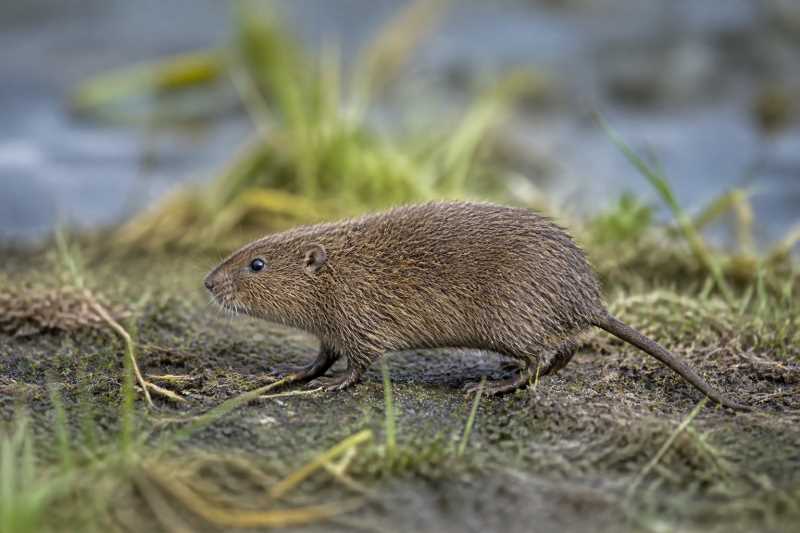
The Italian Water Vole is a medium-sized rodent with a body length ranging from 14 to 22 centimeters, excluding the tail, which adds an additional 9 to 12 centimeters. These voles are robust, with dense, water-repellent fur that ranges in color from brown to grayish-black, providing excellent camouflage against their riparian habitats. The underbelly is typically lighter, often a pale gray or white.
Their small, rounded ears are partially hidden by fur, and they possess a short, rounded muzzle. The eyes are small but well-adapted to their semi-aquatic lifestyle. The Italian Water Vole’s limbs are strong and adapted for digging, with the hind feet slightly webbed to aid in swimming.
Range and Habitat
Arvicola italicus is primarily found in Italy, with its range extending into parts of southern Switzerland and western Slovenia. The species thrives in diverse aquatic habitats, including rivers, streams, marshes, and lakeshores. They are particularly common in areas with abundant vegetation that provides cover and food.
These voles prefer slow-moving or still waters with dense riparian vegetation, such as reeds and sedges, which offer both protection from predators and a rich food source. The presence of Italian Water Voles is typically an indicator of a healthy, biodiverse wetland ecosystem.
Behavior and Diet
The Italian Water Vole is predominantly nocturnal, though it may be active during the day in undisturbed areas. Its behavior is characterized by excellent swimming and burrowing abilities, allowing it to navigate and exploit its aquatic environment effectively. These voles are known for their complex burrow systems, which often include multiple entrances, food storage areas, and nesting chambers.
Their diet is primarily herbivorous, consisting of a variety of aquatic and semi-aquatic plants, grasses, and occasionally small invertebrates. The Italian Water Vole plays a crucial role in its ecosystem as both a consumer of vegetation, helping to maintain plant diversity, and as prey for a variety of predators.
Identification Tips
Identifying the Italian Water Vole in the field can be challenging due to its reclusive nature and the dense habitats it occupies. However, several characteristics can aid in recognition:
- Fur Color and Texture: Look for the dense, water-repellent fur that ranges from brown to grayish-black, with a lighter underbelly.
- Size and Shape: Note the medium size, with a robust body and a longer tail compared to other vole species.
- Habitat: They are most likely to be found around water bodies with dense vegetation.
- Behavior: Observing swimming or burrowing behavior can also indicate the presence of this species.
- Tracks and Signs: Look for burrow entrances or feeding signs, such as clipped vegetation, near water edges.
Conservation Status
The Italian Water Vole is classified as ‘Least Concern’ by the IUCN Red List, but it faces several threats that could impact its populations. Habitat loss due to wetland drainage and urban development is a significant threat. Pollution and water quality degradation also pose risks to their aquatic habitats.
Conservation efforts are focused on habitat preservation and restoration, along with monitoring population trends to ensure the species remains stable. Legal protection of wetland areas and pollution control measures are critical in safeguarding the future of the Italian Water Vole.
Frequently Asked Questions
- What is the primary habitat of the Italian Water Vole?
The Italian Water Vole primarily inhabits aquatic environments such as rivers, streams, and marshes with dense riparian vegetation.
- How can you distinguish an Italian Water Vole from other vole species?
The Italian Water Vole can be distinguished by its medium size, dense water-repellent fur, and preference for aquatic habitats.
- What threats do Italian Water Voles face in their natural habitat?
They face threats from habitat loss due to wetland drainage, pollution, and urban development, which degrade their natural environments.
- Are Italian Water Voles endangered?
Currently, the Italian Water Vole is not endangered, but conservation efforts focus on maintaining their habitat to prevent future decline.
- Why are Italian Water Voles important to their ecosystem?
They play a crucial role as herbivores and prey, contributing to plant diversity and serving as a food source for predators.
Related posts