Goeldi’s Spiny-rat (Proechimys goeldii): A Comprehensive Guide
Introduction
Goeldi’s spiny-rat, scientifically known as Proechimys goeldii, is a fascinating rodent species native to South America. This small mammal is part of the Echimyidae family, which includes various spiny rats known for their distinctive defensive features. Goeldi’s spiny-rat is named after the Swiss-Brazilian naturalist Emílio Goeldi, who contributed significantly to the study of Amazonian wildlife. Despite being lesser-known than other Amazonian species, the Goeldi’s spiny-rat plays a crucial role in its ecosystem, offering insights into the biodiversity of tropical forests.
Physical Description
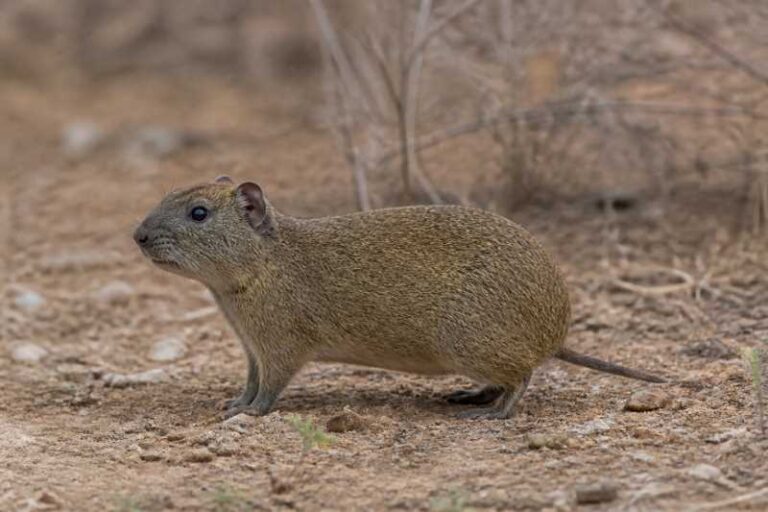
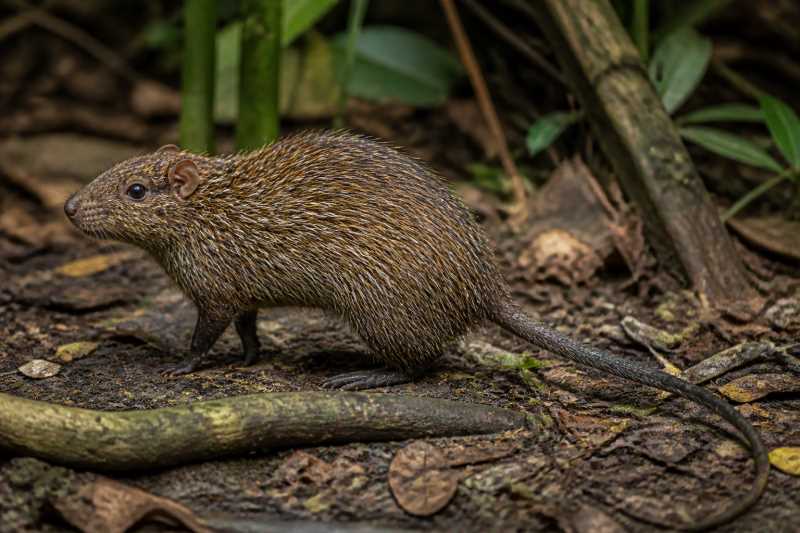
Goeldi’s spiny-rat is characterized by its medium-sized, robust body, which is typically covered in coarse, spiny fur that provides it with protection against predators. Adult spiny-rats weigh between 200 to 400 grams and measure around 20 to 25 centimeters in body length, excluding the tail, which adds an additional 15 to 20 centimeters. Their fur is generally a mix of brown and black, allowing them to blend seamlessly into the forest floor. The spines on their back are not as sharp as those of a porcupine but are stiff enough to deter some predators. They have small, rounded ears and large, dark eyes suited for their nocturnal lifestyle.
Range and Habitat
Goeldi’s spiny-rat is predominantly found in the Amazon basin, inhabiting regions across Brazil, Peru, and Colombia. They thrive in tropical rainforest environments, preferring dense, moist forests with plenty of ground cover. These rodents are terrestrial and primarily reside in burrows or natural crevices found within the forest floor. The Amazon’s rich biodiversity and complex ecosystem provide a perfect habitat for the Goeldi’s spiny-rat, offering ample food resources and protection.
Behavior and Diet
As nocturnal creatures, Goeldi’s spiny-rats are most active during the night. They are solitary animals, although they may occasionally be seen in pairs during the breeding season. These spiny-rats are known for their cautious nature, often avoiding open spaces where they might be vulnerable to predators.
Their diet is primarily herbivorous, consisting of fruits, seeds, leaves, and occasionally small insects. They play a vital role in seed dispersal, contributing to the health and regeneration of their forest habitats. By consuming seeds and transporting them away from the parent plant, they help reduce competition among seedlings and promote greater biodiversity.
Identification Tips (Field Recognition Cues)
Identifying Goeldi’s spiny-rat in the field can be challenging due to their nocturnal habits and preference for dense cover. However, several cues can aid in their recognition:
- Spiny Fur Texture: Look for the distinctive spiny fur on their back, which is a key indicator of the species.
- Tail Length and Color: The tail is almost as long as the body, with a lighter underside.
- Activity Patterns: They are most active at night, so sightings are more likely during nocturnal surveys.
- Habitat Preference: Focus on areas with dense ground cover and evidence of burrowing activity.
- Vocalizations: They may emit soft, high-pitched squeaks at night, although these sounds are difficult to detect without specialized equipment.
Conservation Status (with threats and protections)
Goeldi’s spiny-rat is currently listed as Least Concern by the International Union for Conservation of Nature (IUCN). However, like many Amazonian species, they face several threats that could impact their populations in the future. The primary threat is habitat destruction due to deforestation for agriculture, logging, and mining activities. Climate change also poses a significant risk, potentially altering the ecosystems they depend on.
Conservation efforts for Goeldi’s spiny-rat focus on preserving their natural habitats through the establishment of protected areas and sustainable land management practices. Organizations and governments are working to enforce stricter regulations on deforestation and promote reforestation projects to ensure the survival of these and other native species.
Frequently Asked Questions
What is the lifespan of Goeldi’s spiny-rat?
Goeldi’s spiny-rats have an average lifespan of about 3 to 4 years in the wild. In captivity, with optimal care, they may live slightly longer.
How do Goeldi’s spiny-rats protect themselves from predators?
Their primary defense mechanism is their spiny fur, which can deter predators. They also rely on their camouflage and burrowing abilities to avoid detection.
Are Goeldi’s spiny-rats social animals?
No, they are generally solitary except during the breeding season. They prefer to live alone and avoid interaction with others of their species.
What are the main threats to Goeldi’s spiny-rat populations?
The main threats include habitat destruction due to deforestation, climate change, and human encroachment on their natural habitats.
How can we help conserve Goeldi’s spiny-rat?
Supporting conservation organizations, promoting sustainable practices, and advocating for the protection of Amazonian habitats are vital steps in conserving this species.
Related posts