Introduction
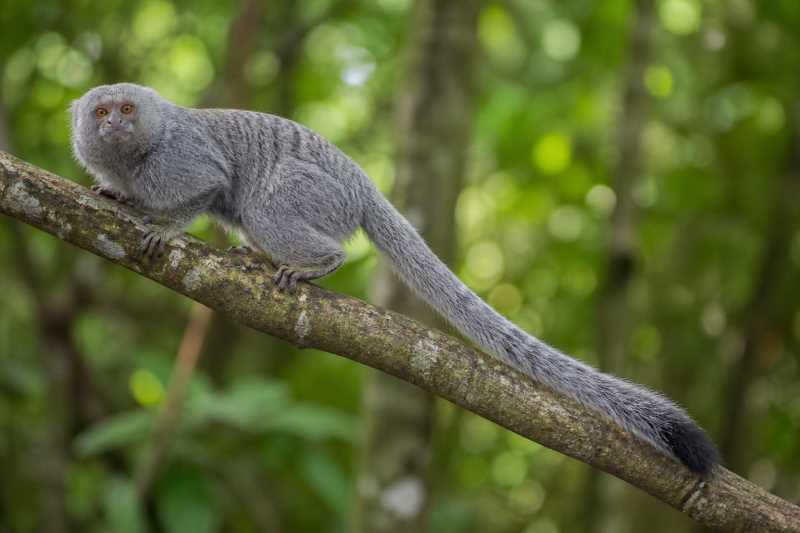
The Silvery Marmoset (Mico argentatus) is a captivating small primate species known for its striking appearance and unique behaviors. Endemic to the lush forests of South America, particularly Brazil, this New World monkey is part of the Callitrichidae family. Despite its relatively small size, the Silvery Marmoset plays a significant role in its ecosystem, contributing to seed dispersal and insect population control. This article explores the fascinating characteristics, habitat, diet, and conservation status of the Silvery Marmoset, providing valuable insights for both researchers and wildlife enthusiasts.
Physical Description
The Silvery Marmoset is a diminutive primate, with an average body length ranging from 18 to 28 centimeters (7 to 11 inches) and a tail length that can extend up to 40 centimeters (16 inches). Weighing between 300 to 400 grams (10 to 14 ounces), these marmosets exhibit a delicate frame and agile movement.
One of the most distinctive features of the Silvery Marmoset is its striking silvery-white pelage, which gives the species its name. This coloration helps it blend seamlessly into the sunlight-dappled forest canopy. The face is mostly bare, with pinkish skin and expressive dark eyes that contribute to its endearing appearance. Unlike some other marmoset species, the Silvery Marmoset lacks a mane but features tufts of longer fur around the ears, adding to its unique look.
Range and Habitat
The natural range of the Silvery Marmoset is primarily confined to the eastern Amazon Basin, particularly in the states of Pará, Maranhão, and northern Tocantins in Brazil. These marmosets thrive in a variety of forest types, including primary and secondary rainforests, riverine forests, and occasionally edge habitats near human settlements.
Silvery Marmosets are arboreal creatures, spending most of their lives in the forest canopy. They exhibit a preference for areas with dense vegetation, which provides both food resources and protection from predators. The ability to adapt to secondary forests and fragmented habitats demonstrates the species’ resilience, although they still face significant threats due to habitat loss and fragmentation.
Behavior and Diet
Known for their social nature, Silvery Marmosets typically live in family groups consisting of 2 to 15 individuals. These groups are characterized by cooperative breeding, where all members assist in rearing the offspring. The social structure is usually composed of a dominant breeding pair and their offspring, with other group members often being older siblings or related individuals.
Communication within these groups is highly vocal, with a variety of calls and vocalizations used to maintain group cohesion, signal alarm, and establish territory. Additionally, these marmosets engage in grooming behaviors that strengthen social bonds and aid in parasite control.
The diet of the Silvery Marmoset is primarily omnivorous, with a reliance on plant exudates such as gum, sap, and resin. They possess specialized teeth that allow them to gnaw into tree bark to access these resources. In addition to plant exudates, their diet includes fruits, insects, small vertebrates, and bird eggs, providing a balanced intake of carbohydrates, proteins, and fats.
Identification Tips (Field Recognition Cues)
Identifying the Silvery Marmoset in the wild requires attention to several key characteristics:
- Size and Build: Look for a small primate with a slender body and long tail, measuring roughly 18 to 28 centimeters in body length.
- Coloration: Observe the distinctive silvery-white fur covering most of the body, which contrasts with the bare, pinkish facial skin.
- Ear Tufts: Note the presence of longer fur tufts around the ears, which are absent in some other marmoset species.
- Behavior: Watch for social behaviors and vocal communication typical of marmoset groups, often seen foraging or moving together in the canopy.
- Habitat Preference: Seek out dense forest areas, as these marmosets are primarily arboreal and prefer habitats with rich vegetation.
Conservation Status (with Threats and Protections)
The Silvery Marmoset is currently classified as "Least Concern" by the International Union for Conservation of Nature (IUCN), yet it faces several conservation challenges. The primary threat to their survival is habitat destruction due to deforestation for agriculture, logging, and urban development. This loss of habitat not only reduces available living space but also fragments populations, making them more vulnerable to environmental changes and predation.
Additionally, illegal pet trade poses a significant risk to wild populations. Despite legal protections in place, enforcement is often weak, and the demand for exotic pets continues to drive illegal capture and trade.
Conservation efforts for the Silvery Marmoset include habitat protection through the establishment of protected areas and wildlife reserves. Additionally, environmental education and awareness campaigns are crucial for reducing the demand for marmosets as pets and promoting sustainable land-use practices.
Frequently Asked Questions
1. What do Silvery Marmosets eat in the wild? Silvery Marmosets have a varied diet that includes plant exudates like gum and sap, fruits, insects, small vertebrates, and bird eggs. Their specialized dentition allows them to access tree bark exudates efficiently.
2. How do Silvery Marmosets communicate? These marmosets use a complex system of vocalizations to communicate. Their calls serve various purposes, including maintaining group cohesion, signaling alarm, and establishing territory. Grooming behaviors also play a part in their communication and social bonding.
3. Where can you find Silvery Marmosets in the wild? Silvery Marmosets inhabit the eastern Amazon Basin in Brazil, specifically in the states of Pará, Maranhão, and northern Tocantins. They prefer primary and secondary rainforests but can also be found in riverine and edge habitats.
4. What are the main threats to Silvery Marmosets? The primary threats to Silvery Marmosets include habitat destruction due to deforestation, fragmentation, and the illegal pet trade. Conservation efforts are focused on habitat protection and reducing pet trade demand.
5. Are Silvery Marmosets endangered? While the Silvery Marmoset is currently listed as "Least Concern," ongoing threats such as habitat loss and illegal trade could impact their populations. Conservation measures are essential to ensure their continued survival.
Related posts