Introduction
The Jenkins’s Shrew Tenrec, scientifically known as Microgale jenkinsae, is a fascinating yet elusive mammal species endemic to Madagascar. As a member of the Tenrecidae family, this tiny creature contributes to the rich biodiversity of the island. This article delves into the unique characteristics, habitat, and conservation efforts surrounding this lesser-known species, offering insights into its ecological significance.
Physical Description
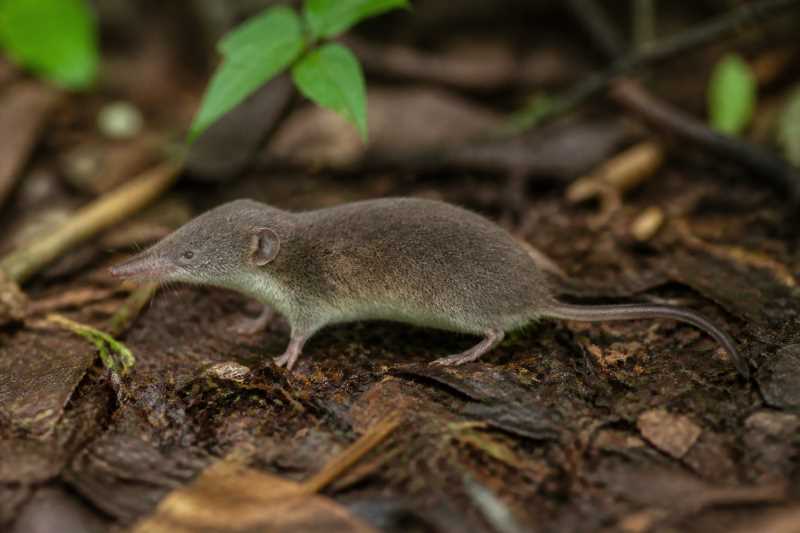
Jenkins’s Shrew Tenrec is a small insectivorous mammal characterized by its elongated snout and diminutive size. Typically, the body length ranges from 7 to 10 centimeters, with a tail that measures approximately 5 to 8 centimeters. The fur of Microgale jenkinsae is dense and soft, predominantly grayish-brown, which aids in its camouflage among leaf litter and forest undergrowth. This tenrec’s limbs are short, with sharp claws adapted for digging and foraging. Notably, the Jenkins’s Shrew Tenrec lacks the spines found in some other tenrec species, such as the hedgehog tenrec, which sets it apart visually.
Range and Habitat
The Jenkins’s Shrew Tenrec is endemic to Madagascar and primarily inhabits the eastern rainforests of the island. These dense, humid forests provide an ideal environment for the species, offering abundant food resources and shelter. The species is most commonly found in the lowland and montane rainforests, thriving in areas with thick vegetation and plentiful leaf litter. This habitat preference highlights the importance of forest conservation in maintaining the species’ population.
Behavior and Diet
Jenkins’s Shrew Tenrec is primarily nocturnal, spending most of its active hours foraging for food under the cover of darkness. Its diet consists mainly of insects and other small invertebrates, which it locates using its keen sense of smell and hearing. The species employs its sharp claws to dig through leaf litter and soil, uncovering prey hidden beneath. Despite its solitary nature, the Jenkins’s Shrew Tenrec plays a crucial role in controlling insect populations within its habitat, contributing to the ecological balance of Madagascar’s forest ecosystems.
Identification Tips (Field Recognition Cues)
Identifying Jenkins’s Shrew Tenrec in the wild can be challenging due to its small size and elusive nature. However, there are several cues that can aid in field recognition:
- Size and Shape: Look for a small mammal with an elongated snout and a body length of 7 to 10 centimeters.
- Fur Color: Note the predominantly grayish-brown fur, which blends with the forest floor.
- Behavior: Observe nocturnal activity patterns and foraging behavior in leaf litter.
- Habitat: Focus on lowland and montane rainforests, particularly areas with dense vegetation.
Conservation Status (With Threats and Protections)
The conservation status of Jenkins’s Shrew Tenrec is currently classified as "Data Deficient" by the International Union for Conservation of Nature (IUCN). This designation highlights the lack of comprehensive data on the species’ population trends and distribution. However, it is known that habitat destruction poses a significant threat to the species. Deforestation for agriculture, logging, and infrastructure development continues to reduce the available habitat for the Jenkins’s Shrew Tenrec. Conservation efforts are crucial to ensure the survival of this species, emphasizing the need for habitat protection and sustainable land-use practices in Madagascar.
Frequently Asked Questions
1. What is the primary diet of Jenkins’s Shrew Tenrec? Jenkins’s Shrew Tenrec primarily feeds on insects and other small invertebrates. It uses its acute sense of smell to locate prey and sharp claws to dig through leaf litter.
2. Where can Jenkins’s Shrew Tenrec be found? This species is endemic to Madagascar, predominantly inhabiting the eastern rainforests. It is found in both lowland and montane rainforest regions.
3. How does Jenkins’s Shrew Tenrec contribute to its ecosystem? By controlling insect populations, Jenkins’s Shrew Tenrec plays a vital role in maintaining the ecological balance within its rainforest habitat, aiding in the health of Madagascar’s biodiversity.
4. What are the main threats to Jenkins’s Shrew Tenrec? The primary threat to Jenkins’s Shrew Tenrec is habitat destruction caused by deforestation for agriculture, logging, and infrastructure development in Madagascar.
5. How can Jenkins’s Shrew Tenrec be identified in the wild? Look for a small mammal with an elongated snout, grayish-brown fur, and nocturnal foraging behavior in Madagascar’s eastern rainforests.
Related posts