The African Thrush (Turdus pelios): A Comprehensive Insight into Its Ecology and Behavior
The African Thrush, scientifically known as Turdus pelios, is a captivating avian species that adorns the diverse landscapes of sub-Saharan Africa. Renowned for its melodious songs and adaptable nature, this bird has intrigued ornithologists and bird enthusiasts alike. This article delves into the intriguing life of the African Thrush, exploring its habitat, behavior, and ecological significance.
Habitat and Distribution
The African Thrush enjoys a broad range across sub-Saharan Africa, from Senegal in the west to Ethiopia in the east, and extending south to Angola and South Africa. This widespread distribution is a testament to the species’ adaptability to various environmental conditions. The bird predominantly inhabits open woodlands, forest edges, gardens, and cultivated areas, demonstrating its versatility in choosing habitats. Its presence in urban gardens and agricultural fields highlights its ability to thrive in human-altered landscapes.
Physical Characteristics
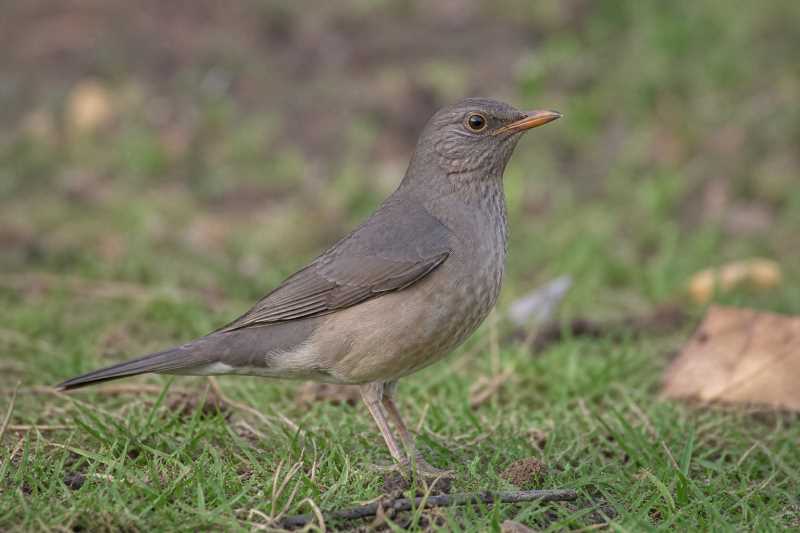
The African Thrush is a medium-sized bird, measuring approximately 20-25 centimeters in length. It boasts a distinctive appearance with a dark brown upper body and a lighter, often pale, underbelly. The bird’s throat is typically streaked, which serves as a key identification feature. Its eyes are a striking shade of orange or yellow, adding to its allure. The beak is sharp and slightly curved, perfectly adapted for its varied diet.
Diet and Feeding Habits
This thrush species is omnivorous, exhibiting a diverse diet that includes fruits, insects, and small invertebrates. Its feeding strategy is opportunistic, often foraging on the ground, turning over leaves and debris to uncover hidden prey. The African Thrush plays a crucial role in seed dispersal, particularly of fruit-bearing plants, thus contributing to the ecological balance and regeneration of its habitat.
Breeding and Reproduction
The breeding season of the African Thrush varies geographically, often coinciding with the onset of the rainy season, which ensures ample food supply for the fledglings. Nesting typically occurs in trees or shrubs, where the female constructs a cup-shaped nest using twigs, grass, and mud. Clutch size generally ranges from 2 to 4 eggs, with an incubation period of about two weeks. Both parents partake in feeding the chicks, showcasing a cooperative breeding strategy that enhances offspring survival.
Vocalizations and Communication
One of the African Thrush’s most enchanting attributes is its vocalization. Known for its rich and melodious song, the bird uses its vocal prowess for a variety of purposes, including mate attraction and territorial defense. Each thrush has a unique repertoire of notes, often incorporating mimicry of other species, which adds complexity and variation to its calls.
Conservation Status
Currently, the African Thrush is listed as a species of Least Concern on the IUCN Red List. Its widespread range and stable population trend are positive indicators of its resilience. However, habitat destruction and climate change pose potential threats that could impact its distribution and abundance in the future. Conservation efforts focusing on habitat preservation and sustainable land-use practices are essential to ensure the long-term survival of this species.
Cultural and Ecological Importance
Beyond its ecological role, the African Thrush holds cultural significance in various African communities, often featured in folklore and traditional stories. Its presence in gardens and parks also enhances the aesthetic and acoustic environment, offering joy to birdwatchers and nature lovers.
Conclusion
The African Thrush is a remarkable species emblematic of Africa’s rich avian diversity. Its adaptability to diverse habitats, coupled with its melodious song, makes it a cherished bird across its range. Understanding its ecological role and ensuring its conservation is vital for maintaining the biodiversity and ecological health of the regions it inhabits. As we continue to study and appreciate the African Thrush, it serves as a reminder of the intricate connections within our natural world and the importance of preserving these connections for future generations.
Related posts