
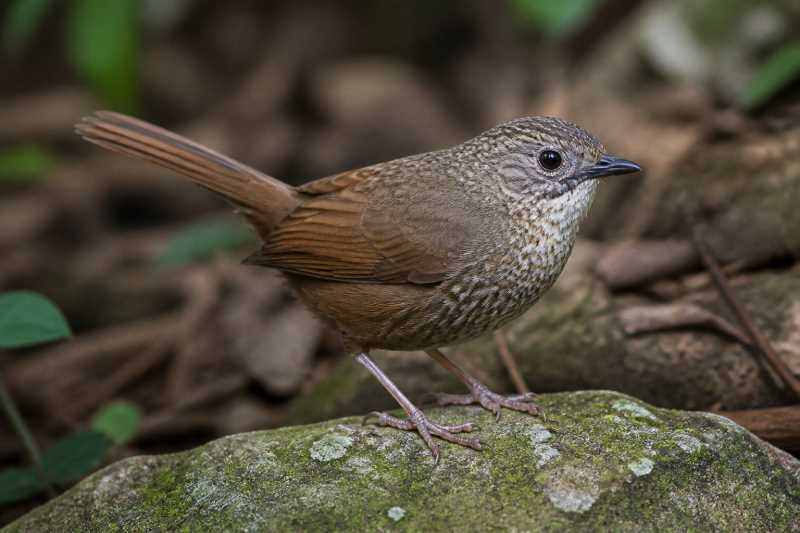
The Enigmatic Naga Wren-Babbler: A Glimpse into the Life of Spelaeornis chocolatinus
Introduction
The Naga Wren-Babbler (Spelaeornis chocolatinus) is a small, elusive bird species that inhabits the dense and humid undergrowth of the northeastern forests of India and neighboring regions. Known for its distinctive vocalizations and inconspicuous lifestyle, this avian species is a subject of considerable interest among ornithologists and bird enthusiasts. In this article, we will delve into the unique characteristics, habitat, behavior, and conservation status of the Naga Wren-Babbler, enhancing our understanding of this intriguing bird.
Taxonomy and Identification
Belonging to the family Timaliidae, the Naga Wren-Babbler is scientifically classified as Spelaeornis chocolatinus. The genus Spelaeornis comprises several species of wren-babblers, known for their small size and preference for dense forest cover. The Naga Wren-Babbler is characterized by its chocolate-brown plumage, which serves as an effective camouflage against the forest floor. It is a small bird, measuring approximately 10-12 centimeters in length, with a distinctively short tail and rounded wings.
The bird’s appearance is complemented by subtle streaks and spots on its underparts, adding to its cryptic nature. Its beak is slender and slightly curved, well-adapted for foraging among leaf litter and undergrowth. The Naga Wren-Babbler’s vocalizations are a key identification feature, consisting of a series of high-pitched, melodious notes that resonate through the forest.
Habitat and Distribution
The Naga Wren-Babbler is endemic to the northeastern regions of India, particularly the states of Nagaland, Manipur, and Assam. Its range also extends into parts of Myanmar. This species thrives in subtropical or tropical moist montane forests, favoring elevations between 1,500 and 2,500 meters. The dense undergrowth and thick leaf litter of these forests provide an ideal environment for the Naga Wren-Babbler to forage and nest.
Due to its preference for dense habitat, the species is often difficult to observe, which contributes to the limited knowledge about its population size and distribution. However, it is generally believed to be locally common within its restricted range.
Behavior and Ecology
The Naga Wren-Babbler is a ground-dwelling bird, spending much of its time foraging for insects, spiders, and other small invertebrates in the leaf litter. It uses its slender beak to probe and flick through the debris on the forest floor. This foraging behavior is often accompanied by soft calls that help maintain contact with other individuals in the undergrowth.
These birds are known for their elusive nature, often remaining hidden from sight despite their vocal presence. Their calls serve not only as a means of communication but also play a role in establishing territory and attracting mates. The breeding season is believed to occur during the spring and summer months, although detailed studies on their reproductive behavior are still lacking.
Conservation Status
The conservation status of the Naga Wren-Babbler is currently listed as ‘Least Concern’ by the International Union for Conservation of Nature (IUCN). However, like many forest-dwelling species, it faces threats from habitat loss and degradation. The rapid deforestation and conversion of forest land for agriculture and development in northeastern India pose significant challenges to the survival of this species.
Conservation efforts for the Naga Wren-Babbler primarily focus on habitat protection and sustainable forest management. Initiatives aimed at preserving the biodiversity of the region’s montane forests are crucial for the continued survival of this and other endemic species.
Conclusion
The Naga Wren-Babbler, with its cryptic appearance and melodious calls, is a fascinating component of the biodiversity in India’s northeastern forests. While its elusive nature makes it a challenge to study, ongoing research and conservation efforts are vital to ensure that this enigmatic species continues to thrive in its natural habitat. By raising awareness and promoting sustainable practices, we can help safeguard the future of the Naga Wren-Babbler and the rich ecosystems it inhabits.
References
- BirdLife International. (2023). Species factsheet: Spelaeornis chocolatinus. Retrieved from [BirdLife International website]
- Rasmussen, P. C., & Anderton, J. C. (2005). Birds of South Asia: The Ripley Guide. Smithsonian Institution and Lynx Edicions.
- Collar, N. J., & Robson, C. (2007). Family Timaliidae (Babblers). In J. del Hoyo, A. Elliott, & D. A. Christie (Eds.), Handbook of the Birds of the World, Vol. 12. Lynx Edicions.
Related posts


