The Black-throated Shrikebill: A Comprehensive Overview
The Black-throated Shrikebill (Clytorhynchus nigrogularis) is a fascinating avian species that captivates both ornithologists and bird enthusiasts due to its distinctive attributes and limited geographical range. This article provides an in-depth exploration of this remarkable bird, covering its taxonomy, physical characteristics, habitat, behavior, and conservation status.
Taxonomy and Classification
The Black-throated Shrikebill belongs to the family Monarchidae, which is well-known for comprising a variety of flycatchers and monarchs. The genus Clytorhynchus, to which this species belongs, is characterized by birds exhibiting stout bills and vibrant plumage. While the genus includes several species, Clytorhynchus nigrogularis is particularly noteworthy due to its striking appearance and specific habitat requirements.
Physical Characteristics
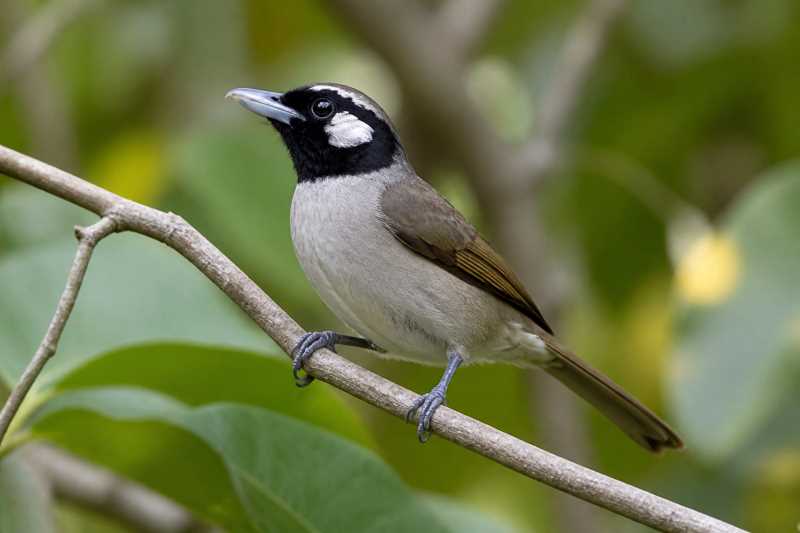
The Black-throated Shrikebill is a medium-sized bird, typically measuring around 18 to 20 centimeters in length. Its most defining feature is the dark, soot-colored throat, which contrasts sharply with its otherwise lighter plumage. The rest of its body is predominantly olive-brown, with a subtle greenish hue that offers excellent camouflage within its forested environment.
The bird’s bill is robust and slightly curved, adapted for its insectivorous diet. Its eyes are dark and expressive, providing keen vision necessary for spotting prey amidst dense foliage. The wings are rounded, facilitating agility and quick maneuvers in flight.
Habitat and Distribution
This species is endemic to the islands of Fiji, specifically inhabiting the lowland and montane forests of Vanua Levu and Viti Levu. It thrives in dense forest environments, where it can find ample food and shelter. The dense canopy and understory of these forests offer the perfect backdrop for its foraging activities.
The Black-throated Shrikebill’s reliance on a specific habitat type makes it vulnerable to environmental changes. The deforestation for agriculture and urban development poses significant threats to its habitat, necessitating focused conservation efforts to ensure its survival.
Behavior and Diet
The Black-throated Shrikebill is an insectivore, primarily feeding on a variety of insects and arthropods. It employs a methodical approach to foraging, often seen hopping from branch to branch or hovering momentarily to extract insects from leaves and bark.
In terms of social behavior, the Shrikebill is generally solitary or found in pairs, especially during the breeding season. It is known for its distinctive vocalizations, which include a series of melodious whistles and trills that serve as communication signals within its territory.
Breeding and Reproduction
The breeding season of the Black-throated Shrikebill typically aligns with the wet season, when food availability is at its peak. The species is monogamous, with pairs forming strong bonds that often last several breeding cycles.
Nesting occurs in dense foliage, where the female constructs a cup-shaped nest using twigs, leaves, and other plant materials. Clutches usually consist of two to three eggs, which both parents take turns incubating. Once hatched, the chicks are cared for by both parents, who diligently feed and protect them until they are ready to fledge.
Conservation Status
The International Union for Conservation of Nature (IUCN) currently lists the Black-throated Shrikebill as Vulnerable. This classification is primarily due to habitat loss driven by logging, agricultural expansion, and urbanization. Conservation efforts are crucial to mitigate these threats, focusing on habitat preservation and restoration.
Organizations dedicated to bird conservation are working in collaboration with local communities to promote sustainable practices that safeguard the Shrikebill’s natural habitat. These initiatives include reforestation projects, protected area management, and awareness campaigns to highlight the species’ ecological importance.
Conclusion
The Black-throated Shrikebill is a testament to the diverse avian life found within the forests of Fiji. Its unique characteristics and ecological role underscore the importance of preserving its habitat and ensuring its continued survival. As conservation efforts progress, it is imperative to foster a deeper understanding and appreciation of this remarkable bird, encouraging collective action to protect the natural environments it calls home.
Through continued research and conservation initiatives, the future of the Black-throated Shrikebill can be secured, allowing future generations to marvel at its beauty and ecological significance.
Related posts