The Vermilion Flycatcher: A Jewel of the Avian World
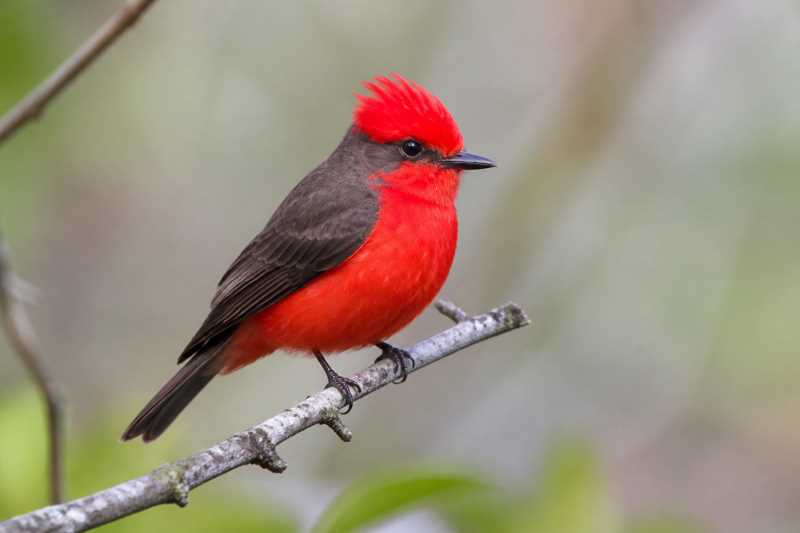
The Vermilion Flycatcher, scientifically known as Pyrocephalus obscurus, is a small passerine bird that captivates birdwatchers and ornithologists alike with its striking plumage and fascinating behavior. Found primarily in the Americas, this vibrant bird stands out as a flamboyant member of the tyrant flycatcher family, Tyrannidae. The species’ common name aptly reflects its vivid red coloration, which is especially prominent in males, making them a stunning sight against the backdrop of their often drab habitats.
Habitat and Distribution
The Vermilion Flycatcher is native to the southwestern United States, Central America, and parts of South America. Its range extends from the southern U.S. states such as Arizona, Texas, and New Mexico, down through Mexico, Central America, and into northern and central South America, reaching as far as Argentina.
This bird prefers open areas with scattered trees and shrubs, often found near water bodies such as rivers, streams, and ponds. It thrives in diverse habitats, including deserts, savannas, and agricultural lands. Despite its wide range, the Vermilion Flycatcher is selective in its habitat choice, favoring regions that provide adequate perching sites for hunting and nesting.
Physical Characteristics
The most striking feature of the Vermilion Flycatcher is the male’s vivid plumage. Adult males boast bright red underparts and a crown, contrasting sharply with their dark brown or blackish upperparts. Females and juveniles, while less conspicuous, possess subtle beauty with their peachy or yellowish underparts and brownish upperparts, which provide effective camouflage in their natural environment.
The size of the Vermilion Flycatcher is relatively small, measuring about 13 to 14 centimeters in length and weighing approximately 11 to 14 grams. Their diminutive size, coupled with their energetic flight and vivid coloration, makes them a delightful sight for bird enthusiasts.
Behavior and Diet
Known for their agile and acrobatic flight, Vermilion Flycatchers are skillful aerial hunters. They predominantly feed on insects, capturing them mid-air with precision and speed. Their diet includes a variety of flying insects such as beetles, grasshoppers, and flies. Occasionally, they may also consume spiders and small fruits.
These birds exhibit a characteristic hunting behavior known as "sallying," where they perch conspicuously on branches or wires, scanning for prey. Once a target is spotted, they launch into flight, often returning to the same perch after capturing their meal. This behavior not only aids in their feeding efficiency but also makes them more visible to observers.
Breeding and Nesting
The breeding season for Vermilion Flycatchers varies across their range, generally occurring from March to July in the northern parts and extending into the austral spring and summer in southern regions. During this time, males engage in elaborate courtship displays, showcasing their vivid plumage and performing aerial acrobatics to attract females.
Nests are typically constructed by the female using twigs, grass, and spider silk, forming a small cup shape. They are often placed in the fork of a tree branch or on a horizontal limb, providing safety from predators. The female lays a clutch of two to four eggs, which she incubates for about two weeks. After hatching, both parents participate in feeding the chicks until they fledge, usually within another two weeks.
Conservation Status and Challenges
Currently, the Vermilion Flycatcher is listed as Least Concern by the International Union for Conservation of Nature (IUCN). Despite this relatively stable status, they face several threats that could impact their populations in the future. Habitat loss due to agriculture, urbanization, and deforestation poses significant challenges, particularly in regions where they are already scarce.
Additionally, climate change presents another looming threat, potentially altering their habitats and affecting food availability. Conservation efforts are crucial to ensure the long-term survival of this species, focusing on habitat preservation and restoration.
Cultural Significance and Observation
The Vermilion Flycatcher holds cultural significance for many indigenous peoples across its range, often symbolizing beauty and vibrancy. Its striking appearance and lively behavior make it a popular subject for birdwatchers and photographers.
For those interested in observing the Vermilion Flycatcher, the best opportunities arise during the breeding season when males are most active and conspicuous. National parks and wildlife reserves across their range provide excellent viewing opportunities, where enthusiasts can marvel at their aerial prowess and vibrant colors.
In conclusion, the Vermilion Flycatcher remains a cherished bird among avian enthusiasts, representing the incredible diversity and beauty of the natural world. As we continue to explore and document the wonders of avian life, the Vermilion Flycatcher stands out as a testament to nature’s artistry, inspiring a deeper appreciation and commitment to preserving these magnificent creatures for future generations.
Related posts