The Gilded Flicker: A Hidden Gem of the Desert
The Gilded Flicker (Colaptes chrysoides) is a captivating bird species that graces the arid landscapes of the southwestern United States and northern Mexico. Often overshadowed by its more renowned relative, the Northern Flicker, the Gilded Flicker possesses unique characteristics and an allure that deserves greater recognition. This article delves into the distinct features, habitat, and conservation status of this remarkable avian species, highlighting its importance within its ecosystem.
Distinctive Characteristics
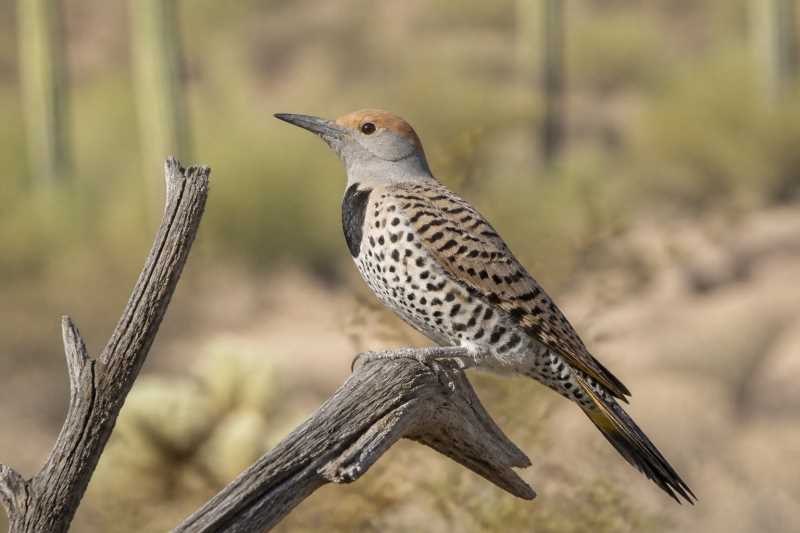
One of the most striking features of the Gilded Flicker is its vibrant plumage. The bird is predominantly brown with a golden-yellow wash on its underwings and tail, which is particularly noticeable during flight. This golden coloring is a primary distinguishing factor from other flicker species. The bird also has a distinctive black crescent on its chest and a barred back, making it a visual delight for bird enthusiasts.
The Gilded Flicker is similar in size to other flickers, measuring about 11-12 inches in length with a wingspan that can reach up to 18 inches. Males can be identified by the presence of a red mustache stripe, which females lack. Their vocalizations are also noteworthy, characterized by a repetitive, high-pitched "wik-wik-wik" or "kleeyer" sound that echoes across their desert habitat.
Habitat and Distribution
Preferring arid and semi-arid environments, the Gilded Flicker is commonly found in desert regions, particularly those dominated by saguaro cacti and Joshua trees. These birds have adapted to life in harsh climates, thriving in areas where many other bird species may struggle to survive.
Their range spans the southwestern United States, including parts of Arizona, California, and Nevada, as well as extending into the Mexican states of Sonora and Baja California. The presence of large cacti is crucial for the Gilded Flicker, as these serve as both a food source and a nesting site. The birds are known to excavate nesting cavities in the trunks of saguaro cacti, which provide a safe and stable environment for raising their young.
Diet and Behavior
The diet of the Gilded Flicker is predominantly insectivorous, consisting mainly of ants, beetles, and other small invertebrates. They forage by probing into the ground, tree bark, or cactus surfaces with their strong, pointed beaks. Additionally, these birds are known to consume fruits and seeds, particularly those of the saguaro cactus, which supplements their diet during seasons when insects are less abundant.
Gilded Flickers are diurnal and exhibit solitary or paired behaviors outside of the breeding season. During breeding season, which typically occurs from March to June, they become more territorial and may engage in drumming or calling to establish dominance and attract mates. The breeding pairs work together to excavate nesting cavities, with both parents sharing the responsibilities of incubation and feeding the chicks.
Conservation Status and Challenges
Currently, the Gilded Flicker is classified as a species of "Least Concern" by the International Union for Conservation of Nature (IUCN). However, they face several challenges that could impact their populations in the future. Habitat loss due to urban development and agricultural expansion poses a significant threat, as it leads to the destruction of vital saguaro cacti and other nesting sites.
Climate change also presents a looming challenge, potentially altering the desert ecosystems that the Gilded Flicker depends on. As temperatures rise and precipitation patterns shift, the availability of food sources and suitable nesting sites could be significantly affected.
Conservation efforts are crucial to ensuring the survival of the Gilded Flicker. Protecting desert habitats, particularly those rich in saguaro cacti, is paramount. Public education and awareness campaigns can help foster appreciation for these birds and their unique desert environments, encouraging community involvement in conservation initiatives.
The Gilded Flicker’s Role in the Ecosystem
The Gilded Flicker plays a vital role in its ecosystem, contributing to the health and maintenance of desert environments. By consuming insects, these birds help control pest populations, which is beneficial for the overall ecological balance. Furthermore, their nesting activities in saguaro cacti create cavities that are later used by other species, such as owls and small mammals, for shelter and nesting.
In essence, the Gilded Flicker is not just an emblematic bird of the desert but also a key player in the intricate web of life that thrives in these arid regions. Recognizing and preserving their habitat is essential for maintaining the biodiversity and ecological integrity of desert ecosystems.
Conclusion
The Gilded Flicker stands as a testament to the beauty and resilience of desert life. Its vibrant plumage, distinctive behaviors, and ecological significance make it a species worthy of admiration and protection. As we continue to study and appreciate this remarkable bird, it becomes increasingly clear that the Gilded Flicker is an integral part of the desert’s natural heritage, deserving of our efforts to ensure its survival for generations to come.
Related posts