The Gilded Barbet: Jewel of the Amazon Rainforest
The Amazon rainforest, with its vast array of biodiversity, is home to countless fascinating species. Among these, the Gilded Barbet (Capito auratus) stands out as a vibrant and intriguing bird. This article delves into the life and characteristics of the Gilded Barbet, shedding light on its habitat, behavior, and the challenges it faces in today’s rapidly changing world.
Taxonomy and Physical Description
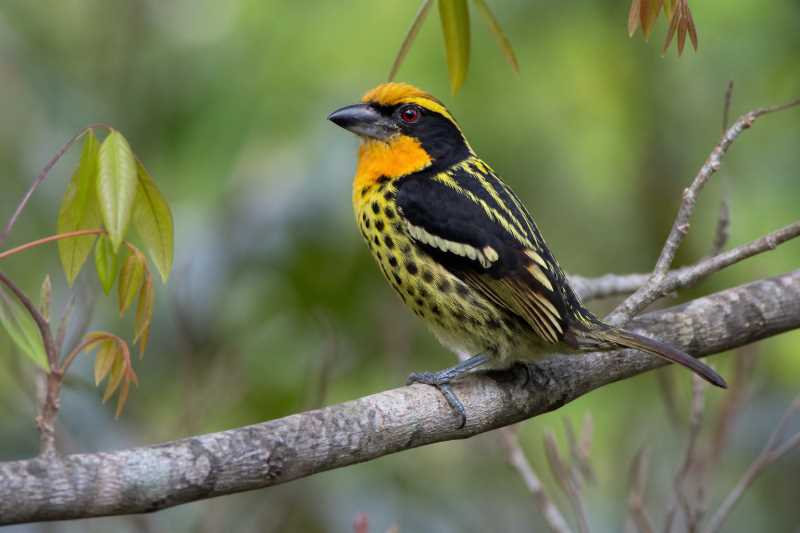
The Gilded Barbet belongs to the family Capitonidae, which is known for its chunky, brightly colored birds. The species name ‘auratus’ translates to ‘golden’, aptly describing the bird’s striking plumage. Adult Gilded Barbets measure approximately 18 to 20 centimeters in length, with a weight ranging from 50 to 70 grams. Males typically display more vibrant coloring compared to females. Their plumage is predominantly green with a golden-yellow breast and throat, complemented by a black crown and nape. The contrasting colors make them a dazzling presence in their natural habitat.
Habitat and Distribution
The Gilded Barbet is primarily found in the lowland rainforests of the Amazon Basin. This includes parts of Colombia, Ecuador, Peru, Brazil, and northern Bolivia. These birds prefer humid, tropical environments, often residing in the canopy or sub-canopy layers of the forest. They are also known to inhabit secondary forests and forest edges, demonstrating some adaptability to habitat changes.
The dense canopy provides not only shelter but also a rich source of food. The Gilded Barbet is frugivorous, feeding predominantly on fruits and berries. However, they are opportunistic feeders and occasionally consume insects and small invertebrates, which supplement their diet with necessary proteins.
Behavior and Reproduction
Gilded Barbets are mostly sedentary, with minimal migratory movement. They are social birds, often seen in pairs or small family groups, which aids in their foraging activities. These birds communicate through a series of calls and vocalizations, which serve to establish territory and strengthen pair bonds.
Breeding usually occurs during the wet season, coinciding with the abundance of food. Gilded Barbets are cavity nesters, often utilizing old woodpecker holes in trees to lay their eggs. The female typically lays 2 to 4 eggs, which she incubates over a period of 14 to 16 days. Both parents are involved in feeding and protecting the chicks until they fledge, which usually occurs about a month after hatching.
Conservation Status
Currently, the Gilded Barbet is classified as Least Concern by the International Union for Conservation of Nature (IUCN). However, like many species in the Amazon, it faces threats from habitat destruction. Deforestation due to logging, agriculture, and urbanization poses a significant risk to their natural habitat. Additionally, climate change could alter the delicate balance of their ecosystem, impacting food availability and breeding success.
Conservation efforts in the Amazon are crucial to ensuring the survival of the Gilded Barbet and countless other species. Protected areas and reserves provide a haven for these birds, but continued vigilance and sustainable practices are necessary to mitigate the impacts of human activity.
The Role of the Gilded Barbet in the Ecosystem
As a frugivore, the Gilded Barbet plays a vital role in seed dispersal, which is crucial for the regeneration and maintenance of the rainforest. By consuming fruits and excreting seeds at different locations, they contribute to forest diversity and health. This ecological role highlights the interconnectedness of species within the rainforest and the importance of maintaining biodiversity.
Conclusion
The Gilded Barbet is not only a visual delight but also an essential component of its ecosystem. Its vibrant presence in the Amazon rainforest highlights the incredible biodiversity of this region. While currently not under severe threat, the Gilded Barbet’s future relies on concerted conservation efforts and sustainable practices. Protecting such species ensures the preservation of ecological balance and the continued splendor of the world’s rainforests.
As we strive to understand and protect our planet’s biodiversity, the Gilded Barbet serves as a reminder of the beauty and complexity of nature. Through awareness and action, we can help preserve these natural jewels for future generations to admire and cherish.
Related posts