The Splendor of the Green Inca: A Jewel of the Andes
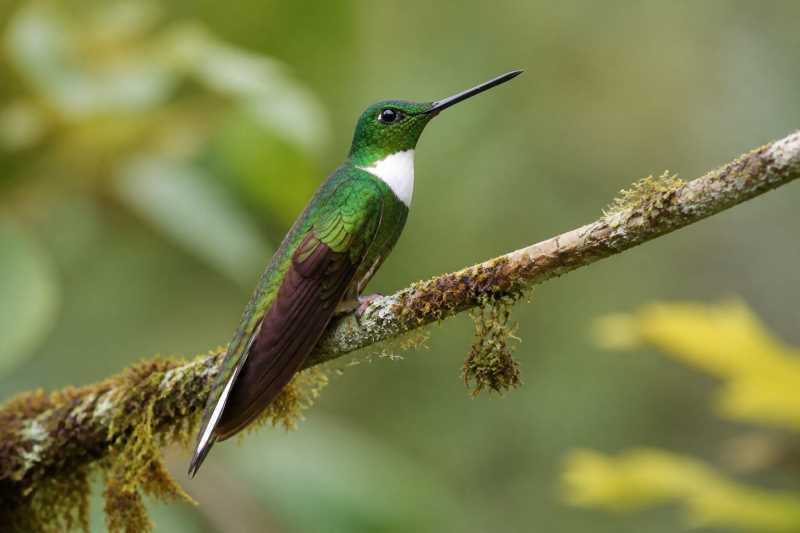
The Green Inca, scientifically known as Coeligena conradii, is a striking species of hummingbird that graces the lush montane forests of the Andes with its resplendent presence. This avian gem is not just a marvel to behold but also plays a crucial role in the ecosystem, acting as a pollinator for a wide array of native flora. Understanding the Green Inca’s habitat, behavior, and conservation status is vital for appreciating this magnificent bird and ensuring its continued survival.
Habitat and Distribution
The Green Inca is primarily found in the cloud forests of Colombia and Ecuador. These forests, characterized by their high humidity and dense vegetation, provide an ideal habitat for the Green Inca, offering abundant nectar sources and nesting sites. Typically residing at altitudes ranging from 1,200 to 3,000 meters, the Green Inca thrives in areas where cooler temperatures and frequent mist create the perfect microclimate for its survival.
The distribution of the Green Inca is somewhat limited, as it is endemic to the Andes region. This limited geographical range underscores the importance of conserving its natural habitat, which is increasingly under threat from deforestation and agricultural expansion.
Physical Characteristics
The Green Inca is renowned for its vibrant plumage, which is a dazzling display of iridescent greens and blues. This coloration is not merely for show; it plays a critical role in communication and mating displays. The male Green Inca is particularly resplendent, with a shimmering green throat and chest, while the female, though less vibrant, shares the same elegant form.
In terms of size, the Green Inca is medium-sized for a hummingbird, measuring approximately 12 to 13 centimeters in length. Its long, slightly curved bill is perfectly adapted for reaching into the corollas of flowers, allowing it to access nectar and, in turn, pollinate the plants it visits.
Behavior and Diet
The Green Inca is a solitary and territorial bird, often seen vigorously defending its feeding territories from intruders. Its diet primarily consists of nectar, which it extracts from a variety of flowering plants. The Green Inca’s foraging habits make it a vital pollinator in its ecosystem, facilitating the reproduction of many plant species.
In addition to nectar, the Green Inca occasionally consumes small insects and spiders, which provide essential proteins and nutrients. This opportunistic feeding behavior is especially important during breeding seasons when the nutritional demands are higher.
Reproduction and Lifespan
Breeding for the Green Inca typically occurs during the rainy season when food resources are most abundant. The female is solely responsible for building the nest, incubating the eggs, and feeding the chicks. Nests are usually constructed from plant fibers, moss, and lichens, camouflaged against the forest foliage to protect against predators.
Clutch sizes are generally small, with the female laying two white eggs. After about 14 to 19 days of incubation, the chicks hatch and are fed a regurgitated mixture of nectar and insects. The fledging period lasts approximately 20 to 25 days, after which the young birds leave the nest but remain dependent on the mother for a short period.
Conservation Status
Currently, the Green Inca is not listed as endangered, but it is classified as Near Threatened due to habitat loss and fragmentation. The primary threat to its survival is deforestation, driven by logging, agriculture, and human settlement expansion. Conservation efforts are crucial to protect the remaining cloud forests that are home to the Green Inca.
Several conservation organizations are working to preserve these habitats through the establishment of protected areas and reforestation projects. Raising awareness about the importance of preserving the Andes’ unique ecosystems is also essential for the long-term survival of the Green Inca and countless other species that share its habitat.
Conclusion
The Green Inca is a remarkable example of nature’s beauty and complexity. Its vibrant colors, vital ecological role, and the challenges it faces highlight the intricate connections within the natural world and the importance of conservation efforts. Protecting the Green Inca and its habitat not only ensures the survival of this exquisite hummingbird but also preserves the biodiversity and ecological health of the Andes.
As we continue to study and appreciate the Green Inca, we are reminded of our responsibility to safeguard the natural world for future generations. By supporting conservation initiatives and promoting sustainable practices, we can help secure a future for the Green Inca and the myriad of life forms that depend on the delicate balance of our planet’s ecosystems.
Related posts