The Enigmatic Siau Scops Owl: A Glimpse into a Lesser-Known Avian Marvel
In the realm of ornithology, where every feathered creature holds a unique story, the Siau Scops Owl (Otus siaoensis) emerges as a subject of intrigue and wonder. This elusive bird, endemic to the tiny volcanic island of Siau in Indonesia, offers a rare glimpse into the delicate balance of island ecosystems and the challenges of conservation in the face of limited distribution and human encroachment.
A Brief Introduction to the Siau Scops Owl
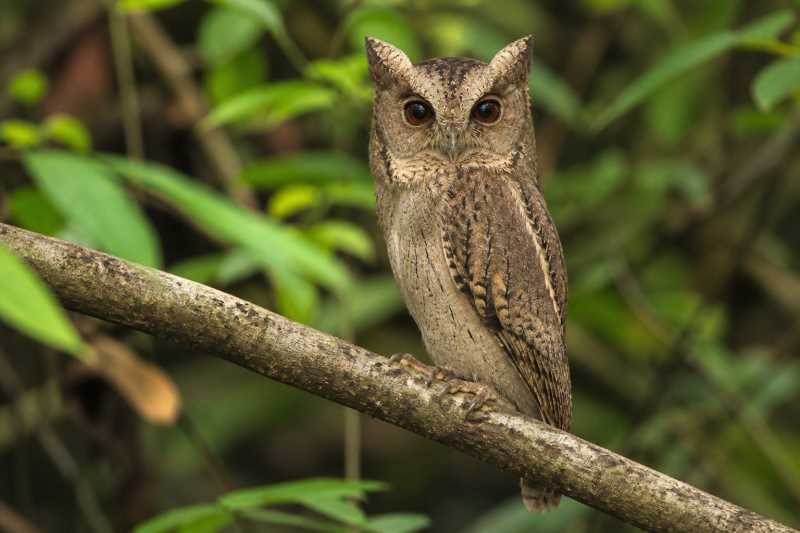
The Siau Scops Owl is a member of the Strigidae family, which encompasses the majority of owl species known to science. First described in 1866, this small owl is characterized by its cryptic plumage, which provides excellent camouflage against the bark of trees in its densely forested habitat. Its call, a series of soft hoots, often echoes through the night, hinting at its presence even when the bird remains unseen.
Measuring approximately 16 to 19 centimeters in length, the Siau Scops Owl is a diminutive predator. Its diet consists primarily of insects and small vertebrates, a typical diet for owls of its genus. Despite its small size and seemingly inconspicuous nature, this owl plays a critical role in controlling insect populations and maintaining the ecological balance within its habitat.
Habitat and Distribution
The Siau Scops Owl is exclusively found on the island of Siau, part of the Sangihe Islands archipelago in North Sulawesi, Indonesia. This exclusivity in distribution has warranted its classification as an island endemic species. The island itself is characterized by its volcanic topography, lush tropical forests, and a climate that supports a rich biodiversity.
Unfortunately, Siau’s limited geographical area poses significant challenges for the survival of its native species, including the Siau Scops Owl. Deforestation, driven by agricultural expansion and infrastructure development, has resulted in substantial habitat loss. This loss is further compounded by the island’s active volcano, Mount Karangetang, which poses natural threats to the owl’s environment. Consequently, the Siau Scops Owl is currently listed as Critically Endangered on the IUCN Red List, a stark reminder of the fragility of island ecosystems.
Conservation Efforts and Challenges
Conservation efforts for the Siau Scops Owl face multiple hurdles, not least of which is the lack of comprehensive data on its population size and distribution. The inaccessibility of its habitat and the elusive nature of the owl complicate efforts to study and monitor its population trends.
Despite these challenges, local and international conservation organizations are working to preserve the remaining forested areas of Siau. Initiatives focus on habitat protection, reforestation, and raising awareness among the local population about the importance of conserving their unique biodiversity. Additionally, ecotourism has been identified as a potential avenue for promoting conservation while providing economic benefits to local communities.
The Importance of Awareness and Research
Increasing awareness about the Siau Scops Owl and its plight is crucial for its conservation. Public education campaigns can foster a sense of pride and responsibility among the residents of Siau, encouraging them to participate actively in conservation efforts.
Scientific research also plays a pivotal role in the owl’s conservation. Detailed studies on its ecology, behavior, and population dynamics are essential for developing effective conservation strategies. This research can inform habitat management practices, guide reforestation efforts, and help mitigate the impacts of human activities on the island.
A Call to Action
The story of the Siau Scops Owl is a poignant reminder of the vulnerability of island species and the urgent need for concerted conservation efforts. As with many other island endemics, the owl’s survival hinges on our ability to balance human development with environmental stewardship.
Protecting the Siau Scops Owl requires collaboration among governments, non-governmental organizations, researchers, and local communities. By prioritizing conservation and sustainable development, we can ensure that this remarkable bird continues to grace the forests of Siau for generations to come.
In conclusion, the Siau Scops Owl is more than just a bird; it is a symbol of the intricate and often fragile connections that define island ecosystems. Its conservation is not only a matter of preserving a single species but also an endeavor to maintain the ecological integrity of its entire habitat. As we strive to secure the future of the Siau Scops Owl, we are reminded of the broader imperative to protect our planet’s biodiversity, one species at a time.
Related posts