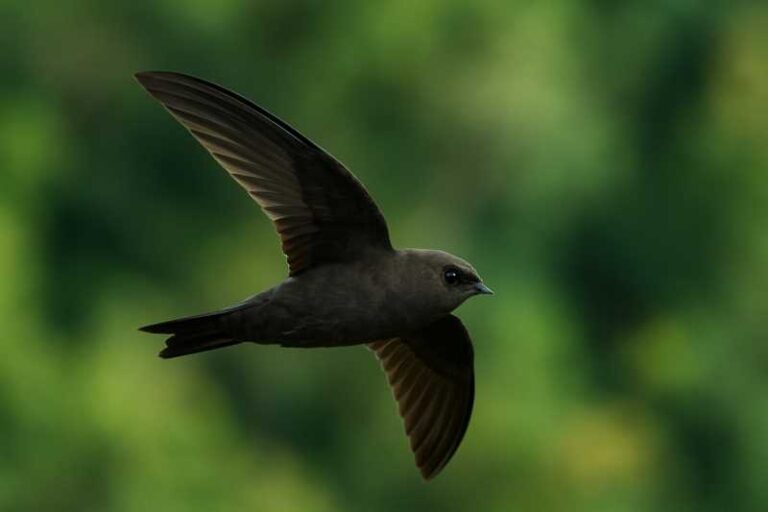
The Northern Hawk-Owl (Surnia ulula): A Unique Predator of the Boreal Forest
The Northern Hawk-Owl (Surnia ulula) stands as a fascinating avian predator that merges the characteristics of both hawks and owls. With its striking appearance and exceptional hunting prowess, this bird occupies a unique niche within the boreal forests of the Northern Hemisphere. Known for its diurnal habits and keen eyesight, the Northern Hawk-Owl provides bird enthusiasts and ornithologists alike with a remarkable study of adaptation and survival.
Physical Characteristics
The Northern Hawk-Owl is medium-sized, typically measuring about 35 to 45 centimeters in length, with a wingspan ranging from 69 to 82 centimeters. Despite being an owl, it possesses a long tail and pointed wings reminiscent of a hawk, hence its name. Its plumage is a combination of brown and white, with distinctive horizontal barring on the chest and vertical streaking on the belly, which provides effective camouflage in the dappled light of its forest habitat.
One of the most striking features of the Northern Hawk-Owl is its facial disk, which is less pronounced than that of other owls, giving it a hawk-like appearance. Its yellow eyes are sharp and forward-facing, enhancing its depth perception—an essential trait for a predator that relies heavily on visual cues during daylight hours.
Habitat and Distribution
The Northern Hawk-Owl is primarily found in the boreal forests of North America and the Palearctic. Its range extends from Scandinavia across Russia to Siberia, and from Alaska through Canada and into the northern United States. It prefers open coniferous forests and mixed woodlands, often near wetlands and clearings that provide abundant hunting opportunities.
The species is non-migratory, although some individuals may move southward during harsh winters in search of food. The bird’s ability to endure the frigid temperatures of its habitat is attributed to its dense plumage and physiological adaptations.
Behavior and Hunting
Unlike most owl species, the Northern Hawk-Owl is active during the day. This diurnal behavior is an adaptation to the long daylight hours of its northern habitat, particularly in summer. The owl perches high on trees or utility poles, scanning the ground below for prey with its acute vision.
Its diet mainly consists of small mammals such as voles, lemmings, and squirrels, though it will also hunt birds and insects. The Northern Hawk-Owl employs a sit-and-wait strategy, launching a swift and silent attack once it spots its target. It can detect prey up to a kilometer away, a testament to its exceptional eyesight.
Reproduction and Lifespan
Breeding for the Northern Hawk-Owl begins in late winter to early spring. The species is monogamous, with pairs forming strong bonds. The female lays between three to seven eggs in a nest located in tree cavities or old woodpecker holes. Incubation lasts about 25 to 30 days, primarily undertaken by the female while the male provides food.
Chicks fledge approximately four to five weeks after hatching but remain dependent on their parents for several more weeks. The Northern Hawk-Owl has a lifespan of around 10 years in the wild, though this can vary depending on environmental conditions and predation pressures.
Conservation Status
Currently, the Northern Hawk-Owl is listed as a species of Least Concern by the International Union for Conservation of Nature (IUCN). Though its population is stable, it faces threats from habitat destruction due to logging and climate change that could alter its boreal forest habitat.
Conservation efforts are vital to ensure the protection of its habitat, especially in regions where logging activities are prevalent. Maintaining healthy forest ecosystems and protecting critical habitats are essential for the survival of not only the Northern Hawk-Owl but countless other species that share its environment.
Cultural Significance
In various Indigenous cultures of the northern regions, the Northern Hawk-Owl holds symbolic significance. It is often revered as a spiritual messenger or a symbol of wisdom and foresight. Its presence in folklore and storytelling underscores the deep connection between these communities and their natural environments.
Conclusion
The Northern Hawk-Owl is a captivating species, emblematic of the resilience and adaptability required to thrive in some of the harshest environments on Earth. Its hawk-like appearance and owl-like stealth make it a unique subject of study for ornithologists and bird watchers alike. As we continue to learn more about this incredible bird, it becomes increasingly clear how vital it is to preserve the delicate ecosystems it inhabits, ensuring that future generations can marvel at the Northern Hawk-Owl and its majestic boreal home.
Related posts