The Green-crowned Plovercrest: A Jewel of the Brazilian Highlands
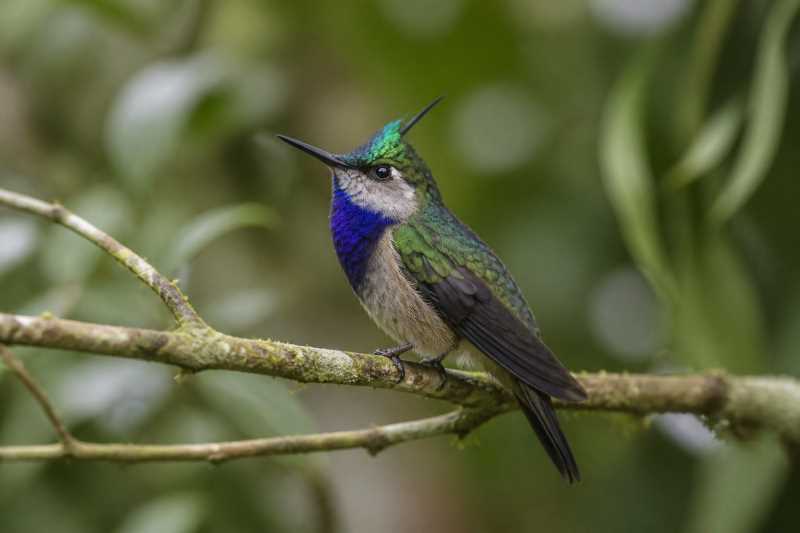
In the lush, verdant highlands of southeastern Brazil, a small, vibrantly colored hummingbird flits through the forests. This exquisite creature is known as the Green-crowned Plovercrest (Stephanoxis lalandi), a species that captures the imagination of ornithologists and nature enthusiasts alike. The Green-crowned Plovercrest is not only a testament to the beauty of the natural world but also an indicator of the health of its forest habitat.
Taxonomy and Classification
The Green-crowned Plovercrest belongs to the family Trochilidae, which encompasses all hummingbird species. Within this family, it is classified under the genus Stephanoxis. The species was first described by Lesson in 1832 and is one of the two species in its genus, alongside the Violet-capped Woodnymph (Thalurania glaucopis). The Plovercrest’s scientific name, Stephanoxis lalandi, honors the French naturalist Pierre Antoine Delalande.
Physical Characteristics
A striking feature of the Green-crowned Plovercrest is its iridescent plumage. The male boasts a vibrant green crown that shimmers in sunlight, transitioning into a deep blue crest. This crest is not just for show; during courtship displays, the male raises it to attract potential mates. The male’s throat and belly are a glistening violet, accentuated by a white stripe that runs down the center of its chest, adding to its regal appearance. The female, while less flamboyant, is equally captivating with her more subdued green and white plumage.
Habitat and Distribution
The Green-crowned Plovercrest is endemic to Brazil, primarily inhabiting the Atlantic Forest biome. This biome, renowned for its rich biodiversity, extends along the Atlantic coast of Brazil and provides the perfect environment for the Plovercrest. These birds prefer montane forests and are typically found at elevations ranging from 1,000 to 2,000 meters. Within these forests, they thrive in areas abundant in flowering plants, which provide the nectar they feed on.
Behavior and Diet
Like other hummingbirds, the Green-crowned Plovercrest is known for its incredible flying abilities. It can hover in place, fly backward, and dart between flowers with remarkable agility. This skill is essential for feeding, as the Plovercrest primarily consumes nectar. It uses its long, specialized bill to reach deep into flowers, often favoring those with tubular shapes. In addition to nectar, the Plovercrest also feeds on small insects and spiders, which provide vital protein.
During the breeding season, the male Green-crowned Plovercrest engages in elaborate courtship displays, showcasing its vibrant crest to attract females. These displays are not only a spectacle of color but also of aerobatic prowess, as the males perform intricate flight patterns to win over potential mates.
Conservation Status
The Green-crowned Plovercrest, while not currently listed as threatened, faces challenges due to habitat loss. The Atlantic Forest, once sprawling and lush, has been significantly reduced due to urbanization, agriculture, and logging. This loss of habitat poses a threat to the Plovercrest and many other species that call this region home.
Conservation efforts are underway to protect the remnants of the Atlantic Forest and its inhabitants. Initiatives include the establishment of protected areas and ecological corridors, as well as reforestation projects aimed at restoring degraded areas. These efforts are crucial not only for the Green-crowned Plovercrest but also for the countless other species that depend on this unique ecosystem.
The Role of Citizen Science
Birdwatchers and citizen scientists play a vital role in the conservation of the Green-crowned Plovercrest. Through platforms like eBird, enthusiasts report sightings and contribute valuable data on the distribution and population trends of these birds. This information aids researchers and conservationists in tracking changes in the Plovercrest’s habitat and understanding its ecological needs.
Conclusion
The Green-crowned Plovercrest is a symbol of the natural beauty and biodiversity of Brazil’s Atlantic Forest. Its presence in these highland forests is a reminder of the delicate balance of ecosystems and the importance of preserving them. Through continued conservation efforts and public awareness, we can ensure that this dazzling hummingbird continues to grace the forests of Brazil for generations to come.
By appreciating and protecting the Green-crowned Plovercrest, we not only safeguard a species but also contribute to the broader efforts to conserve the irreplaceable biodiversity of the Atlantic Forest. This commitment to conservation is vital as we navigate the challenges of the 21st century and strive to maintain the planet’s ecological health.
Related posts