The Tawny-breasted Tinamou: A Hidden Gem of the Andes
The Tawny-breasted Tinamou (Nothocercus julius) is a remarkably elusive bird that inhabits the dense cloud forests of the Andes Mountains. Known for its distinctive vocalizations and muted yet elegant plumage, this bird is a fascinating subject for ornithologists and birdwatchers alike. In this article, we will delve into the unique characteristics, habitat, behavior, and conservation status of the Tawny-breasted Tinamou, shedding light on a species that remains largely a mystery to the wider world.
Taxonomy and Identification
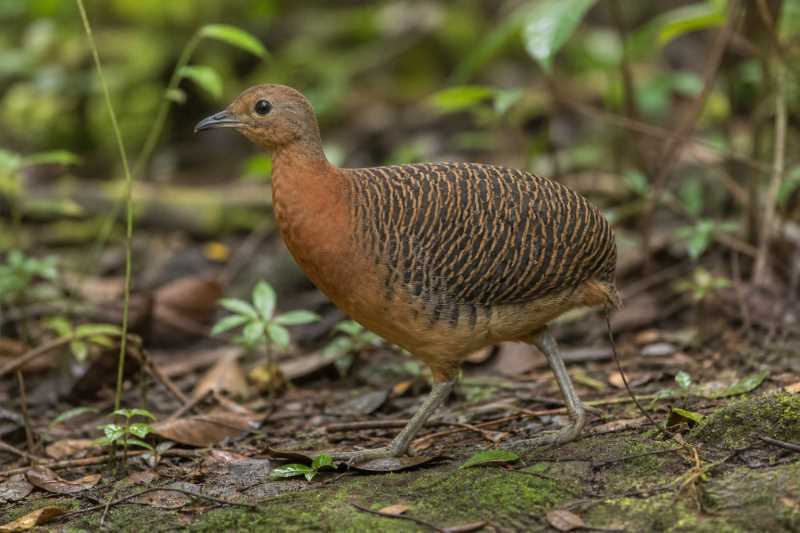
Belonging to the family Tinamidae, the Tawny-breasted Tinamou is one of the lesser-known members of the order Tinamiformes. It is closely related to other ground-dwelling birds like ostriches and kiwis, though it is considerably smaller in size. Adult Tawny-breasted Tinamous typically range from 30 to 34 centimeters in length and are characterized by their tawny-brown plumage, which provides excellent camouflage in their forested environment.
The bird’s plumage consists of a rich blend of browns and grays, with a subtle sheen that reflects its natural habitat. Its breast is a distinctive tawny color, giving the species its common name. The bird’s head is adorned with a small crest, adding to its aesthetic appeal. It also possesses a long, slender bill and strong legs, adaptations well-suited for its terrestrial lifestyle.
Habitat and Distribution
The Tawny-breasted Tinamou is endemic to the montane forests of the Andes, with its range extending from Venezuela through Colombia and Ecuador, and into northern Peru. It thrives at elevations between 1,500 and 3,000 meters, where the dense undergrowth and abundant leaf litter provide ample cover and foraging opportunities.
These birds prefer the cloud forests, where the perpetual mist and lush vegetation create a unique ecosystem. The constant humidity and rich biodiversity of these forests support a plethora of insects and small invertebrates, forming the primary diet of the Tawny-breasted Tinamou. Additionally, the bird feeds on fruits and seeds, further highlighting the importance of forest conservation in maintaining their food sources.
Behavior and Ecology
The Tawny-breasted Tinamou is a solitary creature, often found foraging alone or in pairs. Its elusive nature makes it a challenging subject for study, as it tends to remain hidden within the dense foliage. However, its presence is often betrayed by its distinctive calls, which echo through the forest in the early mornings and late afternoons.
These birds are ground-dwellers and rarely take to the air, preferring to escape predators by running rather than flying. When threatened, they rely on their cryptic plumage to blend into the forest floor, remaining motionless to avoid detection. Their reproductive behavior is equally fascinating, with males taking on the primary role of incubating eggs and caring for the young. The females lay several clutches of eggs with different males, a strategy that increases the chances of survival for their offspring.
Conservation Status
The Tawny-breasted Tinamou is currently listed as Near Threatened by the International Union for Conservation of Nature (IUCN). The primary threats to its survival are habitat loss and fragmentation, driven largely by agricultural expansion and logging activities in the Andes. As their natural habitat continues to shrink, the population of these birds is at risk of declining further.
Conservation efforts are crucial to protect the remaining populations of the Tawny-breasted Tinamou. Initiatives aimed at preserving cloud forests and promoting sustainable agricultural practices are vital in ensuring the long-term survival of this species. Additionally, raising awareness about the ecological significance of tinamous can help garner support for their conservation.
Conclusion
The Tawny-breasted Tinamou is a captivating species that embodies the rich biodiversity of the Andes. Despite its elusive nature, it plays a crucial role in the ecosystem, contributing to seed dispersal and maintaining the balance of its habitat. As we continue to explore and understand the intricate web of life in the cloud forests, the Tawny-breasted Tinamou serves as a reminder of the importance of preserving our natural world for future generations.
Through concerted conservation efforts and increased awareness, we can ensure that this remarkable bird continues to thrive in its mountainous home. As researchers and enthusiasts alike strive to learn more about the Tawny-breasted Tinamou, the hope remains that these efforts will lead to a brighter future for this and many other species that call the Andes their home.
Related posts