Exploring the Enigmatic Black-throated Flowerpiercer: A Jewel of the Andes
The Black-throated Flowerpiercer (Diglossa brunneiventris) is a captivating avian species that delights ornithologists and birdwatchers alike. This small passerine bird is part of the Thraupidae family, which encompasses a diverse array of tanagers known for their vibrant plumage and ecological diversity. In this article, we delve into the intricate details of the Black-throated Flowerpiercer’s habitat, behavior, diet, and conservation status, painting a comprehensive picture of this avian gem.
Habitat and Distribution
The Black-throated Flowerpiercer is predominantly found in the montane forests and shrublands of the Andes, ranging from Venezuela through Colombia, Ecuador, Peru, and Bolivia. These regions, known for their rich biodiversity, provide an ideal habitat for this bird, offering abundant floral resources and a temperate climate. The species typically inhabits elevations ranging from 1,500 to 3,500 meters, preferring the fringes of cloud forests where it can exploit its specialized feeding habits.
Physical Characteristics
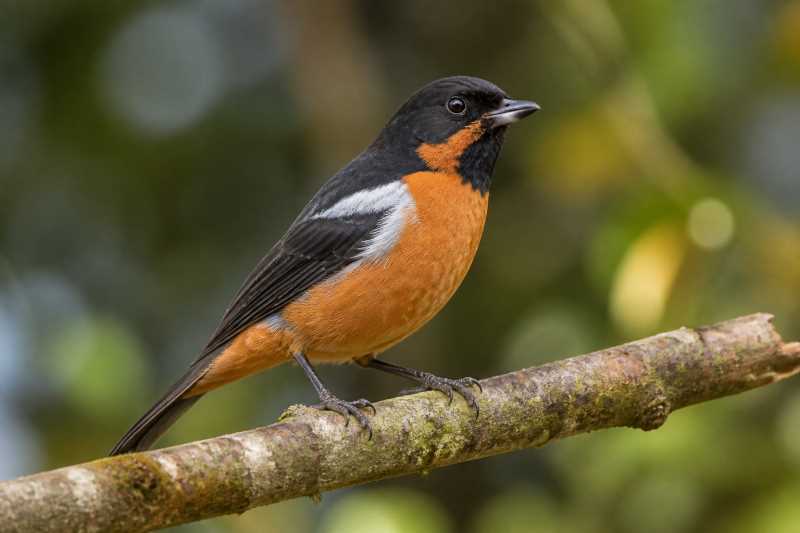
Characterized by its striking plumage, the Black-throated Flowerpiercer is a visual delight. The male boasts a glossy black throat and head, contrasting sharply with its rich chestnut-brown underparts. The wings and tail are predominantly dark, with a subtle sheen that glistens in sunlight. Females, while less vivid than males, share the same basic coloration, albeit with a more muted and brownish hue. This sexual dimorphism is common among tanagers and helps in quick identification in the field.
Feeding Habits and Behavior
The Black-throated Flowerpiercer exhibits a unique feeding behavior that gives it its name. Unlike typical nectar-feeding birds, this species employs a specialized method to access the nectar of flowering plants. It uses its sharp, curved bill to pierce the base of flowers, bypassing the reproductive parts and directly accessing the nectar. This behavior not only allows it to exploit food resources unavailable to other nectarivores but also positions it as an important pollinator in its ecosystem.
In addition to nectar, the Black-throated Flowerpiercer supplements its diet with insects, making it an opportunistic feeder. This dietary flexibility allows it to adapt to seasonal variations in food availability, ensuring its survival in the fluctuating conditions of its Andean habitat.
Breeding and Reproduction
The breeding season of the Black-throated Flowerpiercer aligns with the region’s wet season, a time when food resources are plentiful. During this period, males engage in elaborate courtship displays to attract females, showcasing their plumage and vocal abilities. The construction of nests is a cooperative effort, with both male and female participating in gathering materials and building the nest, typically hidden among dense foliage to protect against predators.
The female lays a clutch of two to three eggs, which she incubates while the male provides food. Both parents share the responsibility of feeding the chicks once they hatch, ensuring the survival of the offspring in the competitive montane ecosystem.
Conservation Status and Threats
Currently, the Black-throated Flowerpiercer is listed as a species of "Least Concern" by the International Union for Conservation of Nature (IUCN). Despite this seemingly secure status, the species faces several threats that could impact its population in the future. Habitat loss due to deforestation and agricultural expansion remains the most significant threat, as it leads to fragmentation and degradation of their natural habitat.
Climate change also poses a potential risk, altering the delicate balance of the montane ecosystems they inhabit. Changes in precipitation patterns and temperature could affect food availability and the timing of breeding seasons, potentially leading to population declines.
Conservation Efforts
Efforts to conserve the Black-throated Flowerpiercer focus primarily on habitat preservation and restoration. Protecting large swathes of montane forests and implementing sustainable agricultural practices are crucial steps in ensuring the species’ long-term survival. Additionally, community-based conservation initiatives can play a pivotal role in raising awareness and encouraging local stewardship of these vital ecosystems.
Conclusion
The Black-throated Flowerpiercer is a testament to the remarkable adaptability and diversity of avian life in the Andes. Its specialized feeding habits, striking appearance, and ecological role as a pollinator make it a species worthy of admiration and protection. By understanding and mitigating the threats it faces, we can help preserve this jewel of the Andes for future generations to enjoy.
In conclusion, the Black-throated Flowerpiercer is more than just a bird; it is an integral part of a complex ecosystem that highlights the interconnectedness of life in the Andean highlands. Protecting it is not only about preserving a single species but about maintaining the health and diversity of one of the planet’s most unique natural landscapes.
Related posts